









Author Archives: Air Pro

HVAC Safety Checklist To Prevent Breakdowns And Hazards

hvac-safety-checklist-to-prevent-breakdowns-and-hazards

Your HVAC system does a lot of heavy lifting, such as keeping your home cool through brutal summers and warm during cold snaps. Most homeowners don’t think about their system until something goes wrong, but staying ahead of potential problems is always the smarter move. 

This HVAC safety checklist covers the most important things to keep on your radar so your heating and AC services stay reliable, your home stays safe, and you’re never caught off guard by an unexpected breakdown.

Don’t Ignore Unusual Sounds or Smells

Your HVAC system often signals trouble before a full breakdown occurs. Sounds such as banging, rattling, or squealing, along with odors like burning or mustiness, indicate that something needs attention. These warning signs should never become background noise.

A burning smell can point to electrical issues or overheating components. A musty odor may indicate moisture buildup or mold within the system. 

Both situations can become serious if left unaddressed. The moment something seems off, having a professional take a look is always the right call. 

Keep the Area Around Your HVAC Unit Clear

This is one of the most commonly overlooked aspects of HVAC safety, yet it is also one of the easiest issues to correct. Both indoor and outdoor units require proper clearance to operate safely and efficiently. Placing boxes, furniture, or other household items near your indoor air handler can restrict airflow and force the system to work harder than necessary, which adds strain over time.

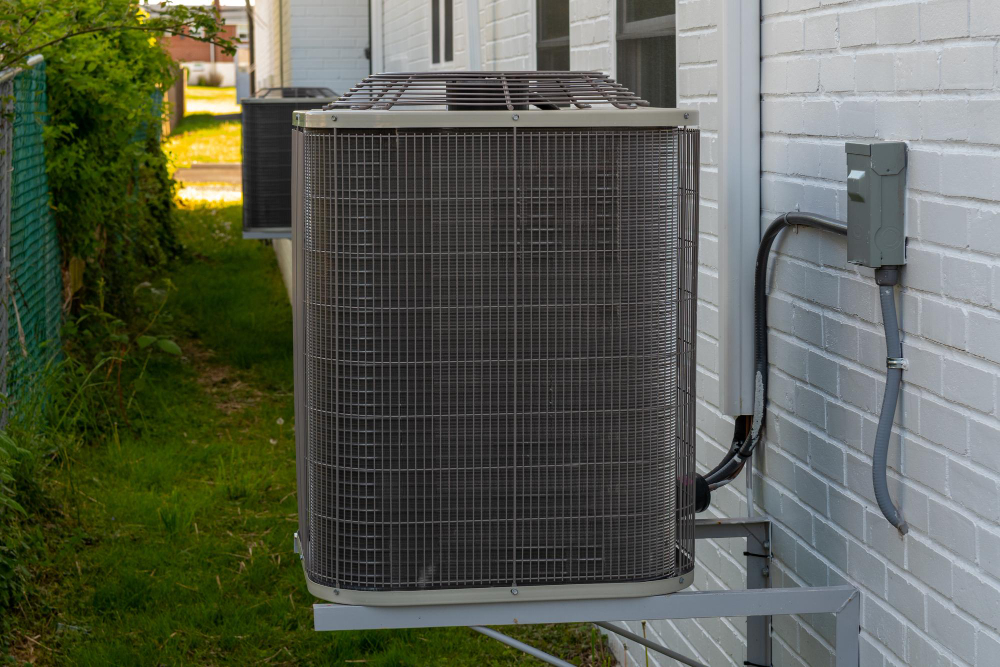
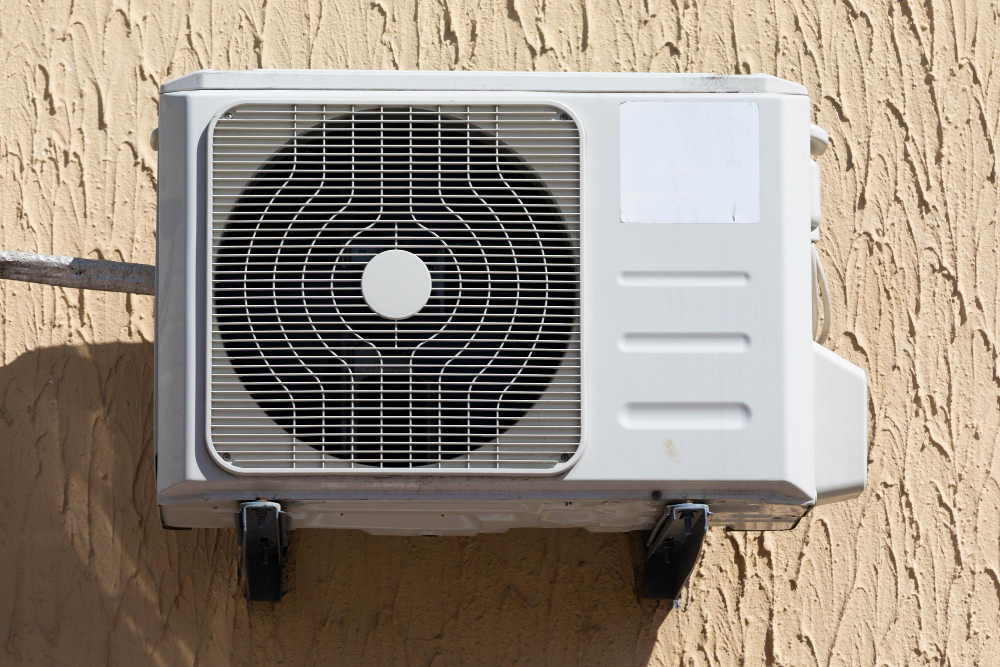
Outdoor condenser units also depend on open space to function properly. Overgrown shrubs, scattered debris, or lawn equipment placed too close can block airflow and reduce performance. As a general guideline, maintain at least two feet of clear space around your outdoor unit to keep it operating as intended.

Make a habit of checking the surrounding area on a regular basis, especially after storms or yard work. This simple step helps maintain consistent performance and reduces the risk of avoidable issues while improving overall system safety.

Pay Attention to Your Thermostat

Your thermostat acts as the control center for your entire HVAC system. When it begins to malfunction, it can disrupt how everything operates. Inaccurate temperature readings, delayed responses to adjustments, or frequent on-and-off cycling can all signal that something is not working correctly.

A faulty thermostat affects more than just comfort. It can push your system to run longer than necessary, increasing wear on components and driving up energy costs. If your home struggles to reach the set temperature or the system runs continuously without noticeable improvement, the thermostat may be a key factor behind the issue.

Watch for Moisture and Leaks Around Your System

Moisture near your HVAC system is always a warning sign that something is not working as it should. Air conditioners naturally create condensation during operation, but that moisture should move safely through the condensate drain line without any buildup. When the drain line becomes clogged or restricted, water can back up into the system and begin affecting nearby areas of your home.

Pooled water around the indoor unit, damp patches on walls or ceilings near HVAC components, and visible rust on system parts all signal the need for professional evaluation. 

When left unresolved, moisture problems can lead to mold growth, structural damage, and even system failure. These issues rarely stay minor and often become more severe the longer they go unnoticed.

Schedule Preventive Maintenance

Reactive repairs will always cost more than preventive care. One of the most important items on any HVAC safety checklist is committing to regular professional maintenance. A trained technician can inspect your system thoroughly, identify parts that are showing wear, clean components that have built up dirt and debris, and make sure everything is operating the way it should.

Most homeowners benefit from scheduling service twice a year, once before the cooling season and again before the heating season begins. 

In climates with hot summers and colder winters, preparing your system ahead of peak demand helps maintain performance and reliability. Skipping maintenance may seem like a short-term cost-saving, but it often results in more complex and expensive repairs later.

Check Your Carbon Monoxide and Smoke Detectors

Heating systems, especially gas-powered units, interact closely with the air circulating in your home. A malfunctioning furnace or heat exchanger can release carbon monoxide, which is dangerous and difficult to detect without proper equipment. This invisible gas can build up quickly and poses serious health risks if not addressed right away.

Test carbon monoxide and smoke detectors regularly and replace batteries when needed. If an alarm sounds, leave the home immediately and seek help. Annual inspections of your heating system also help identify potential safety risks early. This makes this another essential part of a complete HVAC safety checklist.

Keeping detectors in key areas of your home adds an extra layer of protection.

Don’t Overlook Your Ductwork

Ductwork carries conditioned air throughout your home. When leaks, blockages, or buildup develop, your system must work harder to maintain temperature. This leads to higher energy use and reduced indoor air quality. Dust and debris can also circulate more easily when ducts are not properly sealed or maintained.

Older homes often experience duct-related issues that go unnoticed for long periods. Uneven temperatures or rising utility bills can be early signs. Since ducts run through hidden areas, professional inspection is the most effective way to identify and correct problems. Sealing and cleaning ducts can improve airflow and help your system operate more efficiently.

How Air Pro Heating Air and Electric Can Help

At Air Pro Heating Air and Electric, we understand that keeping up with HVAC maintenance and safety can feel like a lot, especially when life gets busy. We offer comprehensive HVAC services designed to keep your system running safely and efficiently all year long. 

From thorough inspections and preventive maintenance to repairs, parts replacement, and full system installations, our licensed technicians handle every job with care and precision. Whether your system needs a seasonal tune-up or you’ve noticed something that doesn’t seem right, contact us today or book your service online.

How Often Should A Furnace Be Serviced?

how-often-should-a-furnace-be-serviced

Most homeowners don’t give their furnace much thought until the temperature drops and they actually need it. Whether you have a gas furnace or an electric furnace, the question is the same: how often should a furnace be serviced? The short answer is at least once a year. 

A deeper look at this question explains why routine care matters, what can happen when maintenance is skipped, and how staying consistent with service helps protect both your home and your long-term expenses.

The General Rule for Furnace Servicing

Most HVAC professionals agree that a furnace should be serviced once a year, ideally in the fall before the heating season begins. 

This timing gives you confidence that your system is ready before temperatures drop. Finding an issue early in the season is far easier to manage than dealing with a failure during a cold winter night.

Annual service gives a technician time to inspect key components, clean away dirt and buildup from the off-season, and catch early signs of wear. This proactive approach helps prevent small issues from turning into larger, more expensive problems. 

It also explains why understanding “How often should a furnace be serviced?” plays an important role in home maintenance. 

What Happens When You Skip Furnace Maintenance

Skipping furnace maintenance for a year might not seem serious, especially if everything appears to be running normally. Many furnace problems develop gradually and remain hidden until they become more severe. Without regular inspections, small inefficiencies can quietly build up and reduce overall system performance.

A small crack in the heat exchanger, a burner that is slightly misaligned, or a blower motor beginning to wear out may not stop the system right away. These issues tend to worsen over time when left unaddressed. Dirt and debris can also build up inside the system, restricting airflow and placing additional strain on internal components.

Neglecting maintenance can lead to reduced efficiency, higher energy costs, unexpected breakdowns, or even safety risks such as carbon monoxide exposure. 

In some cases, skipped maintenance can also shorten the lifespan of the furnace and lead to more frequent repair needs. 

Signs Your Furnace Needs Attention Sooner Than Scheduled

Yearly maintenance is the standard, but certain situations call for service sooner. Unusual noises such as banging, rattling, or constant humming often point to developing mechanical issues. These sounds may indicate loose parts, airflow restrictions, or components beginning to wear down under normal operation.

A furnace that struggles to maintain temperature, cycles more frequently than normal, or gives off a burning smell should not be ignored. Sudden increases in heating costs without a clear reason can also indicate that the system is under strain. Weak airflow or uneven heating throughout the home can also signal internal problems.

Addressing these signs early leads to better outcomes and helps avoid more extensive repairs. Early intervention can also extend the life of your furnace and reduce long-term operating costs.

What Does a Furnace Service Visit Actually Include?

Many homeowners are unsure what takes place during a furnace service visit, which can make it feel less urgent than it really is. In reality, a full inspection covers several important areas and adds real peace of mind. A detailed service visit focuses on both safety and performance.

A technician will examine the heat exchanger for cracks, check burner performance, test the blower motor, review electrical connections, and confirm proper venting. Cleaning dust and debris from internal components also improves system efficiency. Filters may be checked or replaced, and system controls are tested for proper operation.

Each part of the furnace is evaluated carefully, not just the areas that appear to have problems. This thorough approach helps identify hidden issues early and keeps the system running reliably throughout the heating season.

How Air Pro Heating Air and Electric Can Help

Keeping up with furnace maintenance can feel like another task on an already busy schedule. Our team makes the process straightforward and efficient. Licensed technicians bring the tools and experience needed to service your furnace thoroughly and give clear insight into its condition. You can expect honest recommendations, careful inspections, and work that focuses on keeping your system reliable and running at its best throughout the heating season.

From routine annual servicing to emergency repairs and full system replacements, we’re equipped to handle whatever your heating system needs with upfront pricing and no hidden fees. Reach out to us today to schedule your furnace service appointment!

AC Fan Keeps Running After Compressor Shuts Off: Why It Happens

ac-fan-keeps-running-after-compressor-shuts-off-why-it-happens

If your AC fan keeps running after the compressor shuts off, it’s worth paying attention to. Sometimes it’s a simple settings issue, but other times it points to something that needs professional attention. 

From thermostat behavior to worn-out components that may require HVAC parts replacement, there are several reasons this happens. Knowing the difference between a minor quirk and a real problem can save you from a more serious breakdown down the road.

Understand What the Fan and Compressor Actually Do

Before getting into why the fan might keep running, it helps to understand what each part is responsible for. The compressor is the core of your cooling system. It circulates refrigerant and creates the cooling effect that lowers indoor temperatures.

The fan has a different role. It moves air across the evaporator coil and distributes cooled air throughout your home. These two components do not always operate at the exact same time. The compressor handles the cooling process, while the fan manages air movement. 

In some situations, the AC fan keeps running after the compressor shuts off as part of normal system design. In others, it signals a mechanical or control issue that needs attention.

It Could Be Your Thermostat Settings

One of the most common reasons this issue happens is the thermostat being set to “ON” instead of “AUTO.” When the fan setting is left on “ON,” the blower runs continuously, even after the compressor stops cooling.

In this mode, the fan does not cycle with the cooling system. It keeps air moving through the home at all times, regardless of whether cooling is active or not.

Switching the setting to “AUTO” allows the fan to run only during active cooling cycles. If the AC fan keeps running after the compressor shuts off, the thermostat should always be the first thing checked before assuming a mechanical problem.

A Faulty Relay Switch Could Be Keeping the Fan On

Inside your HVAC system, a relay switch controls when the fan turns on and off. If this component fails or becomes stuck in the “on” position, the fan may continue running even after the compressor has shut down.

This type of electrical issue will not resolve on its own. Over time, it can place extra strain on the fan motor and increase energy consumption. Since the problem involves internal wiring and controls, it requires proper diagnostic tools and experience.

Trying to repair electrical components without training can lead to additional damage or safety risks. In cases where the AC fan keeps running after the compressor shuts off due to a relay failure, professional service is usually required.

The Fan May Be Running to Clear Residual Heat

Some systems are designed to keep the fan running briefly after the compressor stops. This helps circulate remaining cooled air through the ducts and removes leftover heat from internal components.

If the fan only runs for a short period, typically one to two minutes, this is generally normal operation. It is part of the system’s built-in cooling cycle and helps protect internal parts.

When the fan runs for a much longer period or does not shut off at all, it may indicate an underlying issue that should be inspected by a technician.

Low Refrigerant Can Play a Role

Low refrigerant levels can also contribute to situations where the AC fan continues running after the compressor shuts off. When the refrigerant is low, the compressor is unable to complete a normal cooling cycle, which disrupts how the system starts, runs, and shuts down.

This imbalance can lead to irregular operation, longer fan run times, and reduced overall cooling performance. In some cases, you may also notice warmer air from vents, longer cooling cycles, or the system running more frequently without effectively lowering indoor temperature.

Low refrigerant is almost always caused by a leak somewhere in the system and will not correct itself over time. Simply adding refrigerant without fixing the underlying issue is only a temporary fix. 

Handling refrigerant requires proper certification, equipment, and safety procedures. This type of problem should always be addressed by a licensed technician who can locate the leak, repair it, and recharge the system correctly.

How Air Pro Heating Air and Electric Can Help

We understand how concerning it can be when your AC system is not behaving the way it should and you are unsure what is causing it. Our team performs detailed inspections to pinpoint the exact issue and restore proper system operation. We take the time to evaluate both electrical and mechanical components so nothing is overlooked.

From refrigerant issues and airflow problems to control malfunctions and worn parts, we handle the full range of HVAC concerns. Once the root cause is identified, we carry out the necessary repairs so your system can return to stable and reliable performance.

Contact us or book your service online today, and we’ll get your AC running the way it should.

6 Benefits Of HVAC Preventive Maintenance For System Longevity

x-benefits-of-hvac-preventive-maintenance-for-system-longevity

Your HVAC system works hard every single day — managing AC maintenance through scorching summers and keeping up with heating demands when winter rolls in. Most homeowners only pay attention when something breaks, but consistent care makes a major difference in long-term performance.

The benefits of HVAC preventive maintenance extend far beyond avoiding repairs. Understanding the value of HVAC preventive maintenance helps explain why staying ahead of system care is always the smarter choice.

Your System Lasts Significantly Longer

One of the strongest advantages of HVAC preventive maintenance is how much it extends equipment lifespan. Most HVAC systems last around 10 to 15 years, but systems that receive regular care often continue operating effectively well beyond that range. Without maintenance, wear on key components increases and overall system life shortens.

The principle is similar to vehicle upkeep. Regular inspections and servicing reduce long-term damage and keep performance steady. 

Your HVAC system operates on the same principle. The more consistently it’s cared for, the longer it reliably serves your home.

Fewer Unexpected Breakdowns

Unexpected system failures are stressful, especially during peak weather conditions. HVAC preventive maintenance significantly reduces the risk of sudden breakdowns by identifying problems before they escalate.

During a routine maintenance visit, a trained technician inspects every part of your system — identifying components that are showing early signs of wear, connections that have loosened, or parts that are starting to underperform. Addressing these issues early means you’re far less likely to face an emergency repair call when you can least afford the disruption.

Lower Energy Bills Every Month

A well-maintained system operates more efficiently, while a neglected one works harder to achieve the same results. Dust buildup, restricted airflow, and aging parts all increase energy consumption.

Regular HVAC preventive maintenance keeps the system clean and properly calibrated. This allows it to reach desired temperatures without unnecessary strain. Over time, improved efficiency leads to noticeable reductions in monthly utility costs.

Better Air Quality Throughout Your Home

Your HVAC system influences more than just temperature control. It also plays a direct role in the quality of the air you breathe every day. When filters, coils, and ductwork become dirty or clogged, they can circulate dust, allergens, pet dander, and other airborne particles throughout your home.  

HVAC preventive maintenance includes cleaning and inspecting these key components, so the system can move cleaner air more effectively. This helps reduce buildup inside the system and supports more consistent airflow across all rooms.

This is especially important for homes with allergies, young children, or anyone with respiratory sensitivities. Cleaner airflow contributes to a healthier indoor environment and improves overall comfort throughout the home.

Smaller Repair Costs Over Time

Emergency repairs and major component replacements are almost always more expensive than the routine maintenance that could have prevented them in the first place. When small issues go undetected and unaddressed, they tend to compound — one failing part puts added strain on surrounding components, and what started as a minor fix can snowball into a much larger expense.

Preventive maintenance keeps those small issues visible and manageable. A technician catching a worn belt, a refrigerant issue, or a failing capacitor during a routine visit costs far less to address than dealing with the aftermath of a component that’s failed completely. 

Your Warranty Stays Protected

Many HVAC manufacturers require proof of regular professional maintenance as a condition of their warranty coverage. This means your system must be serviced on a consistent schedule to remain eligible for repairs or replacement under warranty terms. 

If your system develops a problem and you cannot show that it has been properly maintained, you may end up responsible for repair or replacement costs that would otherwise be covered.

Holding onto service records and scheduling annual visits with a licensed technician helps keep your warranty valid and strengthens your position if you ever need to file a claim. These records show that the system has received proper care over time, which can make the claims process smoother and reduce disputes with manufacturers. Regular maintenance also helps catch small issues early, which further supports long-term reliability.

How Air Pro Heating Air and Electric Can Help

At Air Pro Heating Air and Electric, preventive maintenance is something we take seriously. Our licensed technicians bring the skills, tools, and attention to detail needed to inspect, clean, and tune up your system thoroughly. 

From AC maintenance to heating system care, we’re equipped to keep your system running at its best season after season. Reach out to us today to book your scheduled visit and we’ll be happy to walk you through what’s involved. 

The Air Pro Home Systems Guide: How Your HVAC and Electrical Systems Work Together

Hero_image_The Air Pro Home Systems Guide

When your home feels uncomfortable, most people think of their AC or furnace first. But behind every heating and cooling system is something just as important: your electrical system. These two parts of your home are tightly connected, and when one struggles, the other often follows.

At Air Pro Heating Air and Electric, we look at your home as a complete system. That means solving comfort problems at the source, not just treating symptoms. If your AC keeps tripping a breaker or your furnace won’t start, the issue may not be the equipment alone. It may be the power feeding it.

This guide breaks everything down in simple terms so you can understand how your HVAC and electrical systems work together, what can go wrong, and how to stay ahead of problems through every season in Fayetteville, NC.

How Your Electrical System Impacts HVAC Performance

Your HVAC system depends on steady, reliable power. Without it, even the best equipment cannot run properly.

Here is how the connection works:

Electrical Panel

Your panel distributes power throughout your home. HVAC systems often require dedicated circuits because of how much electricity they use. If your panel is outdated or overloaded, your system may struggle to run or shut down unexpectedly.

Circuit Breakers

Breakers protect your home by shutting off power when something is wrong. If your AC or heat keeps tripping a breaker, it is a warning sign. It could point to:

  • An overworked system
  • Faulty wiring
  • An undersized breaker
  • A deeper electrical issue

This is why it is rarely “just the AC.” In many cases, both HVAC and electrical expertise are needed to fix the root problem.

Wiring and Connections

Loose or aging wiring can cause voltage drops, short cycling, or inconsistent heating and cooling. Over time, this can wear out HVAC components faster and lead to breakdowns during peak weather.

Types of HVAC Systems and Their Electrical Needs

Not all systems use power the same way. Understanding what you have helps explain how everything connects.

Central Air Conditioning Systems

These systems rely on outdoor condensers and indoor air handlers. They require high-voltage power for the compressor and lower voltage for controls like thermostats.

Heat Pumps

Heat pumps both heat and cool your home. Because they run year-round, they depend heavily on stable electrical supply and proper breaker sizing.

Furnaces

Gas furnaces still use electricity for ignition, blower motors, and control boards. If the power is interrupted, the furnace will not operate even if gas is available.

Ductless Mini-Splits

These systems are efficient but sensitive to electrical inconsistencies. They rely on precise voltage levels and proper wiring to function correctly.

Types of Electrical Systems That Support HVAC

Standard Electrical Panels

Older panels may not handle modern HVAC demands, especially in homes with added appliances or upgrades.

Upgraded Panels

Newer panels provide better load distribution and allow HVAC systems to run without competing for power.

Dedicated Circuits

Most HVAC systems require their own circuit. Sharing circuits can lead to overloads and frequent breaker trips.

Surge Protection

Power surges, especially during Fayetteville storms, can damage HVAC components like compressors and control boards. Whole-home surge protection helps protect your investment.

Spring: Humidity Prep

Spring in Fayetteville brings rising humidity, which puts your AC system to the test early.

What to Focus On:

  • AC tune-ups to prepare for heavy summer use
  • Checking electrical connections for wear or corrosion
  • Installing surge protection before storm season

Humidity makes your system work harder to keep your home comfortable. If your electrical system is not supporting that demand, you may notice longer run times or uneven cooling.

A pre-season check helps catch small issues before they turn into expensive repairs.

Summer: Peak Load Performance

Summer is when your HVAC and electrical systems work their hardest. High temperatures and constant use can expose hidden problems.

What to Focus On:

  • AC maintenance to keep airflow and efficiency steady
  • Electrical panel load checks to prevent overload
  • Breaker inspections if you notice shutdowns or flickering

During heatwaves, your system runs longer cycles. If your panel is already near capacity, adding that extra demand can lead to outages or system failure.

This is one of the most common times we find issues that involve both HVAC and electrical components.

Fall: Preparing for Cold Snaps

Fall is the time to shift from cooling to heating. Even in North Carolina, sudden cold snaps can catch homeowners off guard.

What to Focus On:

  • Furnace inspections and safety checks
  • Thermostat wiring verification
  • Electrical connection checks for heating components

Your thermostat plays a key role here. If wiring is loose or outdated, your system may not respond properly when temperatures drop.

A quick inspection before winter helps avoid surprises when you need heat the most.

Winter: Emergency Readiness

When the heat goes out in winter, fast answers matter. The key is knowing where the issue may be coming from.

Furnace vs. Electrical Panel: Quick Triage

If your heat stops working:

  1. Check your thermostat settings
  2. Look at your breaker panel for tripped circuits
  3. Listen for system startup sounds

If the breaker is tripped, resetting it may restore power temporarily. But if it trips again, there is likely a deeper issue.

If the furnace has power but will not start, the problem may be within the HVAC system itself.

Having one HVAC & electrical contractor in Fayetteville, NCthat understands both systems means faster diagnosis and fewer delays.

Why HVAC and Electrical Should Be Handled Together

Many homeowners call separate contractors for HVAC and electrical issues. This can lead to delays, miscommunication, and higher costs.

Here is how working with one company makes a difference:

One Trip, One Solution

Instead of scheduling multiple visits, both systems can be evaluated at once. This saves time and avoids repeat service fees.

Faster Problem Solving

When HVAC and electrical issues overlap, having one team eliminates guesswork. There is no back-and-forth between companies.

Consistent Work Quality

Repairs and upgrades are handled under one standard, with a clear understanding of how everything connects.

Unified Warranty and Support

You have one point of contact for service, follow-ups, and questions.

Cost and Time Comparison

Hiring Separate Contractors:

  • Two service calls
  • Multiple scheduling windows
  • Potential misdiagnosis
  • Higher overall cost

Hiring One Full-Service Company:

  • Single visit
  • Faster resolution
  • Lower combined cost
  • Streamlined communication

In many cases, what looks like an HVAC problem turns out to involve electrical components. Handling both at once avoids unnecessary delays and added expense.

Sub_image02_HVAC technician diagnosing system issue

A Smarter Approach to Home Comfort

Your HVAC system and electrical system are not separate. They work together every day to keep your home comfortable, safe, and efficient.

When one side is overlooked, problems can repeat or worsen over time. Taking a whole-home approach leads to better performance, fewer breakdowns, and more reliable comfort through every season.

If something feels off in your home, it is worth looking at the full picture. The right fix is not always where you expect it to be.

If your system is acting up or you want a full inspection before the next season, Air Pro Heating Air and Electric is ready to help with both HVAC and electrical solutions in one visit. Reach out to us today.

Is Your Home a Breakdown Waiting to Happen? Take the 3-Minute Comfort & Safety Risk Assessment

Most homeowners don’t think about their HVAC or electrical systems until something stops working. In Fayetteville, NC, that moment often comes during the worst timing, like a 95°F summer afternoon or the first cold snap of the year.

The reality is that many breakdowns leave warning signs. Small issues build over time, especially when heating, cooling, and electrical systems are working harder than they should. This quick assessment helps you spot those signs early.

Answer the questions below with a simple Yes or No. It takes about three minutes and can give you a clearer picture of your home’s comfort and safety risk level.

Quick Comfort & Safety Check

Cooling Performance

  • Does your AC struggle to keep up on days over 90°F?
  • Do some rooms feel warmer or more humid than others?
  • Does your system run constantly without reaching the set temperature?

Electrical + HVAC Interaction

  • Have you noticed flickering lights when the AC or furnace turns on?
  • Do breakers trip when your system starts or during heavy use?
  • Have you experienced sudden system shutdowns without a clear reason?

Electrical System Age & Capacity

  • Is your home more than 15 years old with the original electrical panel?
  • Have you added new appliances without upgrading your panel?
  • Do you rely on extension cords or power strips in multiple rooms?

Heating System Readiness

  • Did your furnace struggle or make unusual noises last winter?
  • Does your home take a long time to warm up during colder mornings?
  • Have you skipped seasonal maintenance in the past year?

Indoor Air Quality

  • Has your ductwork ever been cleaned?
  • Do you notice dust buildup quickly after cleaning your home?
  • Are there lingering odors when your system runs?

Future Electrical Demand

  • Do you have an EV or plan to buy one soon?
  • Have you considered adding a generator or backup power system?
Sub01_image_Is Your Home a Breakdown Waiting to Happen

Scoring Your Results

Give yourself 1 point for every “Yes.”

0–3 Points: Low Risk

Your systems appear to be in good shape. You may still benefit from routine maintenance, especially before peak seasons in Fayetteville’s hot, humid summers and occasional winter freezes.

4–7 Points: Moderate Risk

There are early warning signs that your HVAC or electrical system may be under strain. You might not notice major problems yet, but performance issues and higher energy use are likely already happening.

This is a good time to schedule a full HVAC and electrical inspection and address small concerns before they turn into bigger repairs.

8+ Points: High Risk

Your home is showing multiple signs of system stress. These issues often point to deeper problems involving both HVAC performance and electrical capacity.

Homes in this range are more likely to experience breakdowns during extreme weather, especially during the first cold snap or peak summer heat.

High Risk? Start Here

If your score falls into the high-risk range, taking a few simple steps now can help reduce the chance of a sudden failure.

Immediate Checks You Can Do Today:

  • Take a look at your breaker panel for signs of rust, corrosion, or heat marks
  • Change your air filter if it has not been replaced recently
  • Listen for unusual sounds when your system starts or stops

These quick checks won’t fix deeper issues, but they can help you catch visible warning signs.

Why Acting Early Matters

Homes with this profile often face system failure during the first cold snap of the year or during extended heatwaves. When both HVAC and electrical systems are under pressure, small weaknesses can lead to full shutdowns.

Pre-season maintenance helps identify overloaded panels, worn components, and airflow problems before they cause discomfort or safety concerns.

One System, Not Two

Your heating, cooling, and electrical systems are connected. When one side struggles, the other often feels the impact. Flickering lights, breaker trips, and uneven temperatures are not random issues. They are signs your home systems are working harder than they should.

Looking at everything together gives you a clearer answer and a faster path to fixing the problem.

Ready for a Clear Answer?

If your results raised concerns, a professional inspection can pinpoint what is going on and what to do next. Air Pro Heating Air and Electric handles both HVAC and electrical systems in one visit, so nothing gets overlooked.

A quick check today can save you from a much bigger problem when the weather pushes your system to its limits. Get in touch now.

When To Replace An Air Conditioner: Signs To Watch For

when-to-replace-an-air-conditioner-signs-to-watch-for

As the summer heat approaches, your air conditioner plays an essential role in keeping your home comfortable. But how do you know when it’s time to replace your unit instead of simply repairing it? 

Knowing when to replace an air conditioner can save you from costly repairs and energy inefficiencies. If you’re noticing warning signs, it might be time to consider a replacement. In this post, we will highlight the signs to watch for and help you decide if it’s time to upgrade your cooling system.

Air Pro Heating Air and Electric offers reliable AC installation in Fayetteville, NC, and can help you make an informed decision about when it’s time to replace your air conditioner.

The Age of Your Air Conditioner

One of the primary indicators of when to replace an air conditioner is the age of the unit. The average air conditioner lasts around 12 to 15 years. However, after 10 years, the efficiency of most units starts to decline. If your air conditioner is over 15 years old, it may be struggling to keep up with your cooling needs and may be consuming more energy to do so.

If your unit is approaching 15 years old, it’s a good idea to reach out to a heating company in Fayetteville, NC and start planning for a replacement. While newer units are far more energy-efficient, older systems may lack the technology to handle the demands of modern cooling. This leads to higher energy bills and inconsistent performance.

If you’re unsure of the age of your air conditioner, you can find out by checking the unit’s serial number on the side of the machine, which often includes the manufacturing date.

Frequent Repairs and Maintenance Costs

As air conditioners age, they become more prone to breakdowns. If you find yourself scheduling repairs every season, it might be time to consider replacing the unit. While a few minor repairs may not warrant a replacement, consistently high repair costs are a strong indicator that your AC system is nearing the end of its life.

The general rule of thumb is to consider replacing your air conditioner if the repair costs exceed 50% of the cost of a new unit. For example, if your air conditioner is 10 years old and the repair costs are substantial, it might be more economical in the long run to invest in a new system. 

Additionally, frequent repairs can disrupt your daily life, especially when the weather is hot. Replacing the unit can give you peace of mind and ensure your home stays cool all season long.

Rising Energy Bills

A sudden increase in your cooling bills is one of the most significant signs that it may be time to replace your air conditioner. As your AC system ages, it becomes less energy-efficient. This means it has to work harder to cool your home. This can lead to a steady increase in your monthly utility bills.

Even with regular maintenance, an aging air conditioner will naturally become less efficient. Newer models are designed to use energy more efficiently, which results in long-term savings on your energy bills. If your AC unit is more than 10 years old and your bills are rising, it could be time for a replacement. 

Upgrading to a high-efficiency model can help lower your cooling costs and improve your home’s overall energy efficiency.

Your AC Is Blowing Warm Air

If your air conditioner is blowing warm air instead of cool air, it’s an obvious sign that it’s time for a replacement. This could be caused by several issues, including a faulty compressor or refrigerant leak. While some problems can be fixed, a long-term issue of blowing warm air may indicate that your system is nearing the end of its life.

If your unit is more than 10 years old and is producing warm air, it’s worth consulting an HVAC technician to determine if the problem is fixable. If repairs are frequent or costly, replacing your unit may be more effective.

Strange Noises and Foul Odors

Air conditioners should operate relatively quietly. If your system starts making strange noises, like banging, rattling, or grinding, it’s likely that there’s an internal problem. These noises can be caused by a broken fan, worn-out components, or other mechanical failures that may require costly repairs.

In addition to unusual noises, if you notice foul odors coming from your air conditioner, especially a musty smell, it could indicate mold or bacteria buildup in the system. A burning smell may signal electrical issues, and a gas smell could be a leak – both of which are safety concerns. 

If your system is producing unpleasant odors, it’s best to have it checked immediately, as these could be signs of deeper issues that might not be worth repairing.

Inconsistent Cooling or Hot Spots

Another common issue that signals the need for a new air conditioner is inconsistent cooling throughout your home. If some rooms are much warmer than others or if you have noticeable hot spots, your air conditioner may no longer be working efficiently.

Inconsistent cooling could be the result of dirty filters, blocked vents, or a refrigerant leak. However, if your AC is more than 15 years old, these issues are often a sign of general wear and tear. Newer units have improved technology to distribute air evenly throughout your home, preventing hot spots and ensuring consistent comfort.

Your Air Conditioner Uses R-22 Refrigerant

Systems that use R-22 refrigerant are becoming outdated. This refrigerant has been phased out due to environmental concerns, making it harder and more expensive to source. Repairs involving R-22 often cost more and take longer.

Switching to a newer system that uses R-410A is a practical upgrade. These systems run more efficiently, are easier to maintain, and align with current environmental standards.

Get Professional Help with Your AC Replacement

If your system shows any of these signs, it may be time to move forward. Recognizing when to replace an air conditioner helps you avoid costly breakdowns and improve comfort during the hottest months. A newer unit can reduce energy use, improve performance, and give you more reliable cooling.

At Air Pro Heating Air and Electric, we offer expert AC installation in Fayetteville, NC and can help you choose the right unit for your home. Our team of professionals will assist you with everything from assessing your needs to installing your new system efficiently. 

We focus on maintaining high-quality air quality, offering transparent pricing, and delivering reliable solutions that keep your home cool and energy-efficient. Reach out today to learn more!

When To Replace A Furnace: Key Signs It’s Time

when-to-replace-a-furnace-key-signs-its-time

As temperatures drop and you rely more heavily on your furnace, the question arises: when to replace a furnace? If you’re noticing issues with your furnace or it’s been in service for many years, it might be time to consider a replacement. 

In this article, we’ll cover the key signs that indicate it might be time to replace your furnace and the factors to consider when making this important decision.

And if you’re in need of expert services, you can always reach out to Air Pro Heating Air and Electric. We deliver electric furnace repair and replacement in Fayetteville, NC and gas furnace repair and replacement in Fayetteville, NC.

Your Furnace Is Old and Struggling

The age of your furnace plays a major role in deciding if replacement is the right step. Most furnaces last between 15 and 20 years. As they get older, efficiency drops and breakdowns become more common. A furnace that is 15 years or older may still run, but it often struggles to keep up with heating demands.

You can check the system’s age through the serial number, which usually includes the manufacturing date. If that information is unclear, the owner’s manual or a quick search using the brand and serial number can help. Older systems that need frequent service calls are a strong sign that replacement may be approaching.

Repair costs tend to increase as the system ages. Major issues such as a cracked heat exchanger or failing motor can become expensive quickly. Instead of continuing to invest in repairs, upgrading to a newer furnace can reduce long-term costs and improve performance.

Frequent and Costly Repairs

Ongoing repairs are another clear signal that it may be time to replace your furnace. Some fixes are minor, but others involve major components that carry higher costs. If you find yourself calling a technician every season, those expenses can add up fast.

A furnace that needs a few hundred dollars in repairs each year is often no longer reliable. Many fixes on older systems only act as temporary solutions. The next repair may not last long, leading to another service call soon after.

Ask your HVAC technician about the overall condition of your system during your next visit. If the system shows signs of decline, replacement may be the better path. This is especially true for electric furnaces with repeated issues involving heating elements or blower motors.

Your Furnace Isn’t Heating Efficiently

Poor heating performance is one of the most noticeable signs of when to replace a furnace. If your system is blowing cool air or failing to heat certain rooms, it is not operating as it should.

Some issues can come from dirty filters or blocked ductwork. In older systems, the problem often comes from worn components and declining efficiency. A furnace that cannot maintain consistent warmth, even after maintenance, is likely nearing the end of its lifespan.

Hot and cold spots throughout the home are also a concern. These uneven temperatures often point to a system that can no longer distribute heat properly. Older furnaces simply cannot match the performance of modern high-efficiency models.

Your Energy Bills Are Increasing

Rising energy bills are often one of the most noticeable signs that your furnace is no longer operating efficiently. As furnaces age, they tend to consume more energy to achieve the same heating results. If your heating bills are steadily increasing without a major change in usage, your furnace may be at fault.

This increase in energy consumption can be due to a combination of factors, such as the wear and tear on the system or the inefficiency of outdated components. Modern furnaces are far more energy-efficient than older models, so replacing your furnace could result in lower energy bills over time.

If your system is over 15 years old and your energy costs are rising, replacing it with a high-efficiency model can lead to noticeable savings over time.

Unusual Noises or Smells

If you’re hearing strange sounds or noticing odd smells coming from your furnace, it’s time to have it inspected by a professional. A properly functioning furnace should run quietly. Unusual sounds like banging, clanking, or booming could indicate a serious issue, such as a malfunctioning blower motor or a problem with the burner.

Additionally, if you notice a burning smell, it could be due to a clogged filter or other issues. However, if the smell is pungent or sulfur-like, this could indicate a gas leak, which is a serious safety concern. In such cases, it’s important to turn off the furnace immediately and call a professional HVAC technician.

Similarly, if your furnace produces a strong odor of gas, this could indicate a crack in the heat exchanger or another major issue. A gas leak is a serious safety hazard, and you should leave the house immediately and call the gas company before contacting your HVAC technician.

Your Furnace is Short Cycling

Short cycling is a common issue that can occur when your furnace starts and stops frequently without running a full heating cycle. This issue can cause the furnace to wear out faster, resulting in the need for replacement. Short cycling is typically caused by a malfunctioning thermostat, clogged filters, or an oversized furnace, but if it persists, it may be time to replace the unit.

If your furnace is experiencing short cycling, it’s important to have it inspected and repaired immediately to avoid more serious damage to the system.

Contact Air Pro Heating Air and Electric for Furnace Replacement

If you’re wondering when to replace a furnace, don’t wait until it completely fails. Replacing your furnace before it breaks down can help you avoid cold nights and higher repair costs. Air Pro Heating Air and Electric offers expert heating repair and replacement services in Fayetteville, NC. Our team will ensure that your home stays warm, safe, and efficient all year round.

Contact us today to schedule a consultation and get a free estimate for your furnace replacement!

What You Need To Know About Electrical Inspections

what-you-need-to-know-about-electrical-inspections

Your home’s electrical system plays a critical role in keeping your family safe and comfortable every day. From powering appliances to supporting lighting and climate control, it’s something most homeowners rely on without a second thought until something goes wrong. 

Understanding the importance of an electrical inspection can help you identify potential hazards early, prevent costly electrical repairs, and ensure your home meets current safety standards.

Why Electrical Inspections Matter

Electrical systems are complex, and over time, wear and tear can lead to hidden problems. Wires can degrade, connections can loosen, and outdated components may no longer meet modern safety requirements. These issues often develop gradually and may not be immediately visible. This makes regular inspections an essential part of responsible homeownership.

A professional inspection provides peace of mind by identifying risks such as faulty wiring, overloaded circuits, or improper installations. 

Addressing these issues early can help prevent electrical fires, power outages, and damage to your appliances. More importantly, it guarantees your home remains a safe environment for you and your family.

Common Signs You May Need an Inspection

While routine inspections are recommended, there are also warning signs that should never be ignored. Flickering lights, frequently tripped breakers, or outlets that feel warm to the touch can indicate underlying electrical issues. You might also notice a burning smell, buzzing sounds, or inconsistent power in certain areas of your home.

Older homes, especially those built decades ago, may have outdated wiring systems that are not equipped to handle today’s electrical demands. If you’ve recently added new appliances, completed renovations, or purchased an older property, scheduling an inspection is a smart and proactive step. These situations can place additional strain on your system, increasing the risk of hidden hazards.

Small issues can escalate quickly if left unaddressed. What may seem like a one-time flicker or occasional breaker trip can signal deeper problems within your wiring or electrical panel. Acting early by scheduling an inspection helps prevent unexpected failures and protects both your home and your family.

What Happens During an Electrical Inspection

Many homeowners aren’t sure what to expect during an inspection, which can make the process feel intimidating. In reality, a professional inspection is thorough yet straightforward. A licensed technician will evaluate key components of your system, including your electrical panel, wiring, outlets, and circuit breakers.

The goal is to make sure everything is functioning properly and safely. This includes checking for code compliance, identifying signs of wear or damage, and verifying that your system can handle your household’s energy usage. 

The technician may also test safety features such as grounding systems and surge protection to ensure your home is properly protected.

The Risks of Skipping an Inspection

Putting off an electrical inspection may not seem like a big deal, especially if everything appears to be working fine. However, many electrical problems develop behind walls or in areas you can’t easily see. What starts as a minor issue, like a loose connection or aging wire, can quickly escalate into a serious hazard.

Electrical fires are one of the most significant risks associated with neglected systems. Faulty wiring and overloaded circuits are leading causes of these incidents, often occurring without warning. In addition to safety concerns, unresolved electrical issues can also lead to higher energy bills, reduced system efficiency, and costly repairs down the line.

How Often Should You Schedule an Inspection

One of the most common questions homeowners have is how often an electrical inspection is necessary. While there is no one-size-fits-all answer, a good rule of thumb is to schedule an inspection every three to five years for newer homes. Older homes, especially those more than 25 years old, may require more frequent evaluations to ensure outdated components are still safe and functional.

There are also specific situations when an inspection should be prioritized. If you are buying or selling a home, planning a major renovation, or installing large appliances, having your electrical system evaluated is essential. These milestones can place additional demand on your system, and an inspection helps confirm everything is equipped to handle the load safely.

Seasonal changes can also impact your electrical system. Increased use of heating in winter or cooling systems in summer can strain circuits. This makes it even more important to confirm that your system is operating efficiently during peak usage periods. Staying proactive with inspections helps prevent unexpected disruptions when you need your system the most.

What Homeowners Can Do to Support Electrical Safety

Professional inspections are critical, but homeowners can take steps to support safety between visits. Paying attention to warning signs such as flickering lights, tripped breakers, or unusual smells helps detect problems early. Avoid overloading outlets, especially with power strips or extension cords, as this strains the system and increases fire risk.

Using electrical components correctly also reduces hazards. Selecting proper wattage for light bulbs and plugging appliances into suitable outlets contributes to safe operation. Keeping electrical panels accessible and labeling circuits clearly helps technicians troubleshoot efficiently when service is required.

Homeowners should understand the limits of DIY repairs. Electrical systems are complicated, and improper attempts at repair can create serious safety risks. Licensed professionals should handle inspections and repairs for safe, reliable results.

How Air Pro Heating Air and Electric Can Help

Air Pro Heating Air and Electric provides professional electrical inspections in Fayetteville, NC, designed to identify potential risks and maintain system safety and efficiency. Our experienced team carefully evaluates every component of your home’s electrical system, including panels, wiring, outlets, circuit breakers, and connections. 

We take the time to check for signs of wear, outdated equipment, and any potential hazards that could compromise safety. Our thorough approach helps homeowners prevent costly repairs, reduce fire risks, and keep their electrical systems operating reliably year-round. 

Each inspection is conducted with precision and attention to detail. This gives you confidence that your home’s electrical system is safe, functional, and ready for future needs.

Your home should be a place where you feel safe and secure. Call for an estimate or appointment with Air Pro Heating Air and Electric today and let our experienced team help you protect what matters most.

What Is Structured Wiring And What You Should Know

what-is-structured-wiring-and-what-you-should-know

Having a reliable system to manage all of the technology in your home has become an increasing priority. What is structured wiring, and how can it help in achieving that, you might ask? 

Structured wiring is the central framework that supports the movement of data, video, telephone, and other communication services throughout your home. This wiring system is the backbone of modern home automation, helping you control and integrate various technologies efficiently.

Structured Wiring: The “Brain” of Your Home

Structured wiring is more than a collection of cables and connectors. It forms a comprehensive system linking all aspects of your home’s technology. Think of it as the nervous system or brain of your home, connecting high-speed internet, telephone lines, television systems, and security cameras. 

The main purpose of structured wiring is to allow easy distribution and access to these services throughout the house. This presents an organized and scalable solution for current and future technological needs.

This system works by channeling all services to a central distribution panel. From there, they are routed throughout the house, so that every room is equipped to handle the data and communication needs. As new technology and electrical wiring services in Fayetteville, NC emerge, structured wiring lets you update or reconfigure your system with minimal effort.

The Key Benefits of Structured Wiring

A major advantage of structured wiring is that it prepares your home for the future. Older homes often used single-purpose cables for telephones or cable TV. 

Structured wiring replaces these outdated setups with a unified system that manages all data needs. This design allows easy upgrades and the addition of new services, such as fiber-optic connections or the latest smart home technologies, without the need to rewire the entire house.

Structured wiring also provides flexibility. Room functions can be changed simply by adjusting modules in the central panel. For example, a telephone jack can be converted into a computer network connection quickly and efficiently. This lets the system adapt as your household technology evolves.

Structured Wiring Supports Smart Homes

Structured wiring is a key component of the modern “smart home” concept. As home automation becomes more prevalent, structured wiring plays a pivotal role in seamlessly managing all your connected devices. 

With this system, you can integrate everything from lighting and HVAC control to security cameras and voice-controlled assistants. Smart homes require a solid foundation to operate efficiently, and structured wiring makes sure that your systems are connected in a way that is both secure and accessible. 

How Does Structured Wiring Future-Proof Your Home?

One of the most significant advantages of structured wiring is its ability to future-proof your home. As technology continues to evolve, structured wiring adapts to support new services without needing a complete overhaul of your home’s electrical system

For instance, as the demand for high-speed internet grows, fiber-optic cables can be incorporated into your structured wiring system, so your home is ready for the next generation of connectivity.

Structured wiring prevents technological obsolescence by consolidating all wiring into a single system. It simplifies troubleshooting, maintenance, and expansion. Upgrading or adding services requires less effort, and the system adapts easily to new technologies over time. For homeowners wondering “What is structured wiring,” this system provides a long-term solution for connectivity and organization.

Get Professional Help with Structured Wiring

At Air Pro Heating Air and Electric, we deliver expert HVAC and electrical wiring services in Fayetteville, NC. We make sure that your home is equipped with the best solutions for all your data and communication needs. 

Our team of experienced electricians can help design and install structured wiring systems that are tailored to meet your specific requirements, whether you’re building a new home or upgrading an existing one. Reach out to us today to schedule a consultation or learn more about how structured wiring can enhance your home’s technology setup!