













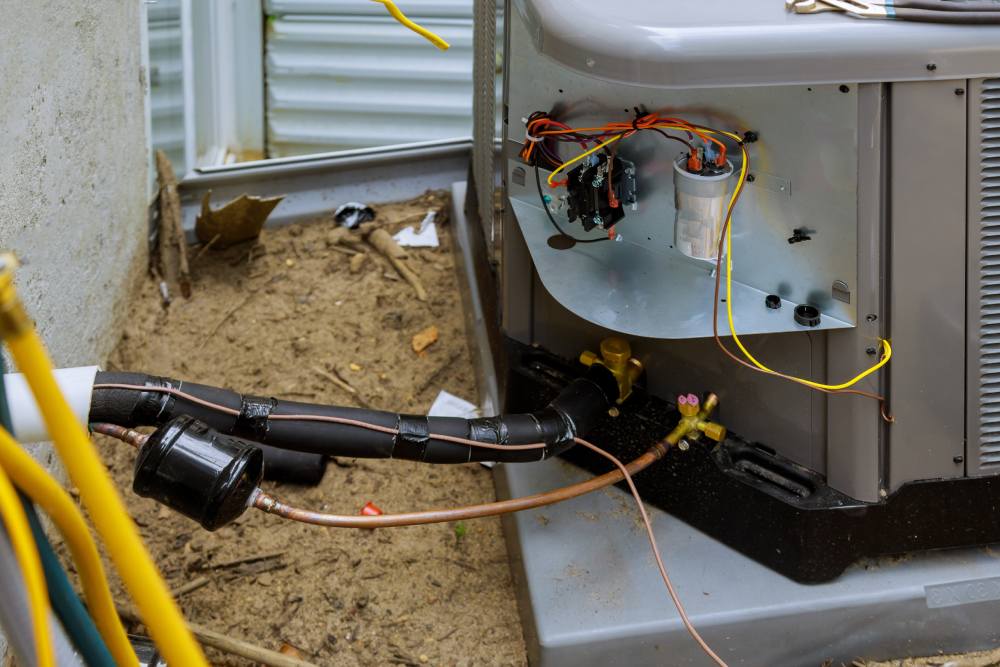
When your home feels uncomfortable, most people think of their AC or furnace first. But behind every heating and cooling system is something just as important: your electrical system. These two parts of your home are tightly connected, and when one struggles, the other often follows.
At Air Pro Heating Air and Electric, we look at your home as a complete system. That means solving comfort problems at the source, not just treating symptoms. If your AC keeps tripping a breaker or your furnace won’t start, the issue may not be the equipment alone. It may be the power feeding it.
This guide breaks everything down in simple terms so you can understand how your HVAC and electrical systems work together, what can go wrong, and how to stay ahead of problems through every season in Fayetteville, NC.
How Your Electrical System Impacts HVAC Performance
Your HVAC system depends on steady, reliable power. Without it, even the best equipment cannot run properly.
Here is how the connection works:
Electrical Panel
Your panel distributes power throughout your home. HVAC systems often require dedicated circuits because of how much electricity they use. If your panel is outdated or overloaded, your system may struggle to run or shut down unexpectedly.
Circuit Breakers
Breakers protect your home by shutting off power when something is wrong. If your AC or heat keeps tripping a breaker, it is a warning sign. It could point to:
- An overworked system
- Faulty wiring
- An undersized breaker
- A deeper electrical issue
This is why it is rarely “just the AC.” In many cases, both HVAC and electrical expertise are needed to fix the root problem.
Wiring and Connections
Loose or aging wiring can cause voltage drops, short cycling, or inconsistent heating and cooling. Over time, this can wear out HVAC components faster and lead to breakdowns during peak weather.
Types of HVAC Systems and Their Electrical Needs
Not all systems use power the same way. Understanding what you have helps explain how everything connects.
Central Air Conditioning Systems
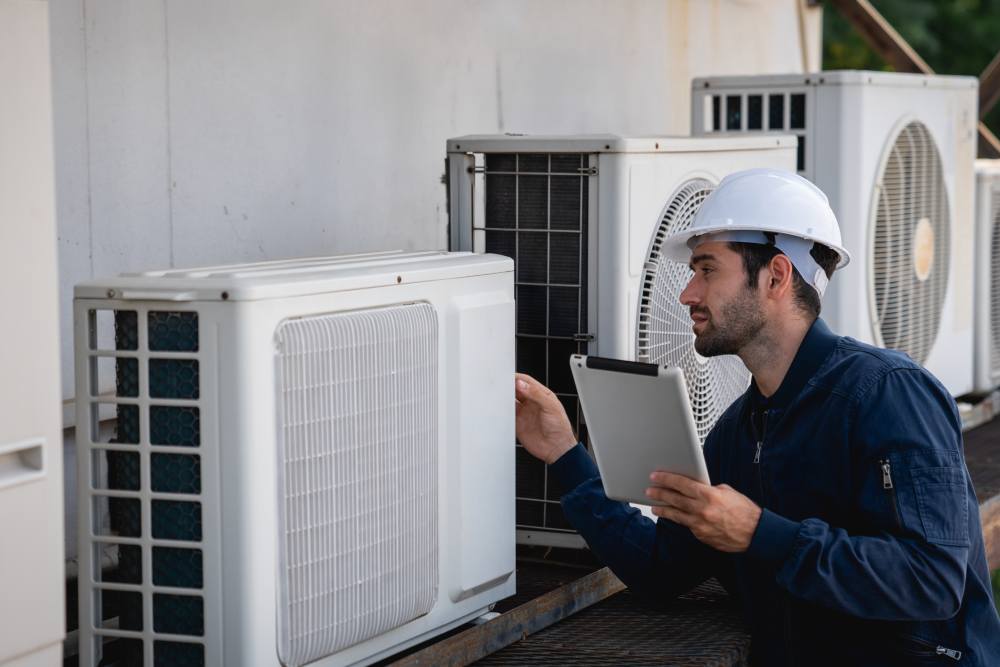
These systems rely on outdoor condensers and indoor air handlers. They require high-voltage power for the compressor and lower voltage for controls like thermostats.
Heat Pumps
Heat pumps both heat and cool your home. Because they run year-round, they depend heavily on stable electrical supply and proper breaker sizing.
Furnaces
Gas furnaces still use electricity for ignition, blower motors, and control boards. If the power is interrupted, the furnace will not operate even if gas is available.
Ductless Mini-Splits
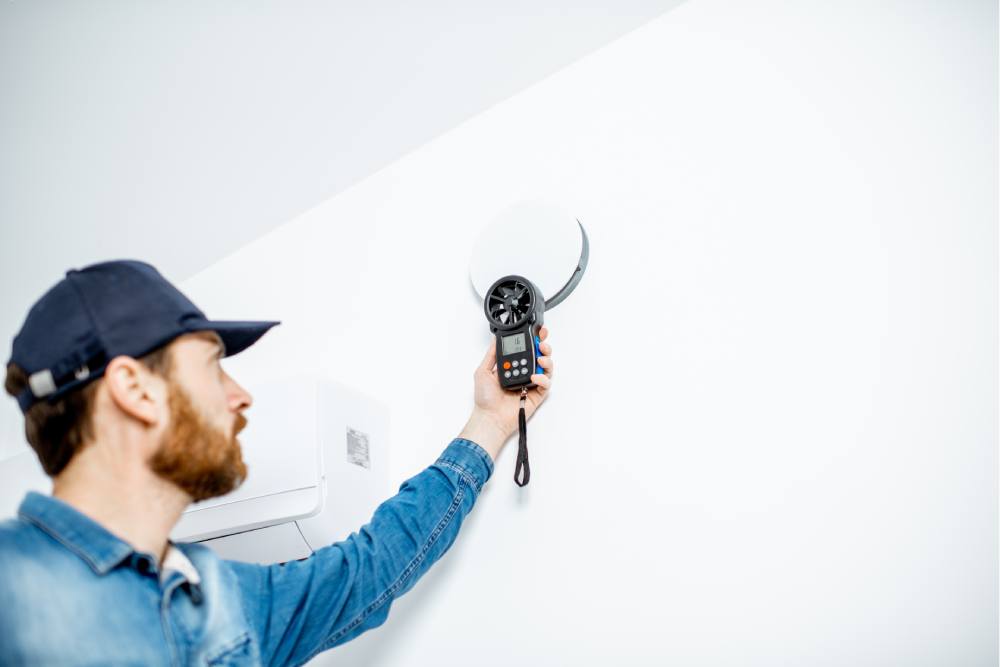
These systems are efficient but sensitive to electrical inconsistencies. They rely on precise voltage levels and proper wiring to function correctly.
Types of Electrical Systems That Support HVAC
Standard Electrical Panels
Older panels may not handle modern HVAC demands, especially in homes with added appliances or upgrades.
Upgraded Panels
Newer panels provide better load distribution and allow HVAC systems to run without competing for power.
Dedicated Circuits
Most HVAC systems require their own circuit. Sharing circuits can lead to overloads and frequent breaker trips.
Surge Protection
Power surges, especially during Fayetteville storms, can damage HVAC components like compressors and control boards. Whole-home surge protection helps protect your investment.
Spring: Humidity Prep
Spring in Fayetteville brings rising humidity, which puts your AC system to the test early.
What to Focus On:
- AC tune-ups to prepare for heavy summer use
- Checking electrical connections for wear or corrosion
- Installing surge protection before storm season
Humidity makes your system work harder to keep your home comfortable. If your electrical system is not supporting that demand, you may notice longer run times or uneven cooling.
A pre-season check helps catch small issues before they turn into expensive repairs.
Summer: Peak Load Performance
Summer is when your HVAC and electrical systems work their hardest. High temperatures and constant use can expose hidden problems.
What to Focus On:
- AC maintenance to keep airflow and efficiency steady
- Electrical panel load checks to prevent overload
- Breaker inspections if you notice shutdowns or flickering
During heatwaves, your system runs longer cycles. If your panel is already near capacity, adding that extra demand can lead to outages or system failure.
This is one of the most common times we find issues that involve both HVAC and electrical components.
Fall: Preparing for Cold Snaps
Fall is the time to shift from cooling to heating. Even in North Carolina, sudden cold snaps can catch homeowners off guard.
What to Focus On:
- Furnace inspections and safety checks
- Thermostat wiring verification
- Electrical connection checks for heating components
Your thermostat plays a key role here. If wiring is loose or outdated, your system may not respond properly when temperatures drop.
A quick inspection before winter helps avoid surprises when you need heat the most.
Winter: Emergency Readiness
When the heat goes out in winter, fast answers matter. The key is knowing where the issue may be coming from.
Furnace vs. Electrical Panel: Quick Triage
If your heat stops working:
- Check your thermostat settings
- Look at your breaker panel for tripped circuits
- Listen for system startup sounds
If the breaker is tripped, resetting it may restore power temporarily. But if it trips again, there is likely a deeper issue.
If the furnace has power but will not start, the problem may be within the HVAC system itself.
Having one HVAC & electrical contractor in Fayetteville, NCthat understands both systems means faster diagnosis and fewer delays.
Why HVAC and Electrical Should Be Handled Together
Many homeowners call separate contractors for HVAC and electrical issues. This can lead to delays, miscommunication, and higher costs.
Here is how working with one company makes a difference:
One Trip, One Solution
Instead of scheduling multiple visits, both systems can be evaluated at once. This saves time and avoids repeat service fees.
Faster Problem Solving
When HVAC and electrical issues overlap, having one team eliminates guesswork. There is no back-and-forth between companies.
Consistent Work Quality
Repairs and upgrades are handled under one standard, with a clear understanding of how everything connects.
Unified Warranty and Support
You have one point of contact for service, follow-ups, and questions.
Cost and Time Comparison
Hiring Separate Contractors:
- Two service calls
- Multiple scheduling windows
- Potential misdiagnosis
- Higher overall cost
Hiring One Full-Service Company:
- Single visit
- Faster resolution
- Lower combined cost
- Streamlined communication
In many cases, what looks like an HVAC problem turns out to involve electrical components. Handling both at once avoids unnecessary delays and added expense.
A Smarter Approach to Home Comfort
Your HVAC system and electrical system are not separate. They work together every day to keep your home comfortable, safe, and efficient.
When one side is overlooked, problems can repeat or worsen over time. Taking a whole-home approach leads to better performance, fewer breakdowns, and more reliable comfort through every season.
If something feels off in your home, it is worth looking at the full picture. The right fix is not always where you expect it to be.
If your system is acting up or you want a full inspection before the next season, Air Pro Heating Air and Electric is ready to help with both HVAC and electrical solutions in one visit. Reach out to us today.