









Category Archives: Air Conditioning

Air Conditioner Maintenance Tips To Extend Its Lifespan

air-conditioner-maintenance-tips-to-extend-its-lifespan

Quick Summary

Regular air conditioner maintenance is one of the most effective ways to extend your system’s lifespan and avoid unexpected breakdowns. Key areas of focus include keeping the outdoor unit clear, monitoring airflow, and staying on top of filter changes. Skipping maintenance doesn’t just shorten the life of your system — it drives up energy costs and increases the likelihood of expensive repairs. Staying proactive is always the smarter and more cost-effective approach.


A well-maintained air conditioner lasts longer and performs better every day it runs.

For homeowners looking into AC maintenance in Fayetteville, NC, the stakes are especially high. Summers here are hot, humid, and relentless, and a system that hasn’t been properly maintained is far more likely to struggle or break down when you need it most.

Learning about what air conditioner maintenance actually involves, and why each step matters, helps you make informed decisions before problems develop.

Why Maintenance Matters More Than Most Homeowners Realize

Many homeowners assume an air conditioner only needs attention when something breaks. In reality, the best time to care for your system is before any visible issues appear. Once a problem becomes noticeable, damage has often been developing for some time.

A neglected air conditioner does not fail all at once. It wears down gradually. Dirt builds up on components, parts experience excess wear, airflow becomes restricted, and efficiency declines. Each of these issues adds strain to the system.

Over time, that strain reduces the system’s lifespan. A unit that could last 15 years with proper air conditioner maintenance may fail at 10 years or even earlier without it.

There is also a direct connection between maintenance and energy costs. A system that struggles to run efficiently uses more energy to deliver the same level of cooling. That increased usage appears in your monthly utility bills.

Keep the Outdoor Unit Clean and Clear

Your outdoor condenser unit plays a critical role in removing heat from your home and releasing it into the outside air. For it to work properly, it needs steady airflow on all sides. When plants grow too close, debris builds up, or items are stored nearby, airflow becomes restricted, and the system has to work harder than it should.

Check the space around the unit on a regular basis. Trim back shrubs and plants that crowd the area, and maintain at least two feet of open space around the entire unit. After storms or yard work, clear away leaves, grass clippings, and any debris that may have gathered on or around it.

Dirt can also collect on the condenser fins over time, which reduces the unit’s ability to release heat efficiently. Cleaning these fins requires care, so it is best handled by a professional during a scheduled maintenance visit.

Pay Attention to Your Air Filter

The air filter has a direct impact on how well your system performs and how long it lasts. It is also one of the most commonly overlooked parts of routine maintenance. A clean filter keeps air moving freely through the system. A clogged filter restricts airflow and forces the system to work much harder.

This added strain affects the blower motor, lowers cooling efficiency, and increases wear across several components.

How often you should change the filter depends on factors such as filter type, home size, pets, and local air quality. Checking it once a month is a good habit. Replace it when it looks dirty or clogged. Ignoring this simple step is one of the easiest ways to shorten your system’s lifespan without realizing it.

Don’t Ignore Unusual Sounds or Performance Changes

Unusual sounds or changes in performance often signal that something is not working as it should. Noises such as rattling, squealing, grinding, or constant humming usually point to internal issues that need attention.

Performance changes also matter. If your system cycles more often than usual, struggles to reach the set temperature, or runs continuously without improving comfort, it is time to take a closer look. Catching these warning signs early helps prevent more serious and expensive problems later.

Monitor Your Thermostat Settings and Performance

Your thermostat controls how your entire cooling system operates, and its settings directly affect how hard your air conditioner has to work. A thermostat that reads temperatures incorrectly, reacts slowly, or causes frequent on-and-off cycling places unnecessary strain on the system over time.

Smart and programmable thermostats can help reduce that strain. Adjusting the temperature when the home is empty keeps the system from running at full capacity all day. Less runtime leads to less wear, and reduced wear helps extend the life of your equipment.

If your thermostat is outdated or behaving inconsistently, having a professional inspect it is a practical step toward improving system performance.

How Air Pro Heating Air and Electric Can Help

Air and Electric, our licensed technicians deliver thorough, professional AC maintenance in Fayetteville and the surrounding communities — covering everything from coil cleaning and refrigerant checks to electrical component testing and full system evaluations. Give us a call or book your service online today.

FAQs

How often should I schedule professional air conditioner maintenance?

Most HVAC professionals recommend one maintenance visit each year, ideally in the spring before the cooling season begins. In a climate like Fayetteville, where summers are long, hot, and humid, annual service helps your system stay reliable during peak demand.

What happens if I skip air conditioner maintenance for a year or two?

Skipping maintenance allows small issues to go undetected and puts added strain on your system over time. This typically leads to reduced efficiency, higher energy bills, and a shorter lifespan for the unit. Staying consistent with maintenance is always the more cost-effective choice.

Can regular maintenance actually extend the life of my air conditioner?

Yes. A properly maintained air conditioner experiences less wear, operates more efficiently, and avoids the gradual damage that leads to early failure. Systems that receive consistent professional care often last several years longer than those that are neglected.
AC Fan Keeps Running After Compressor Shuts Off: Why It Happens

ac-fan-keeps-running-after-compressor-shuts-off-why-it-happens

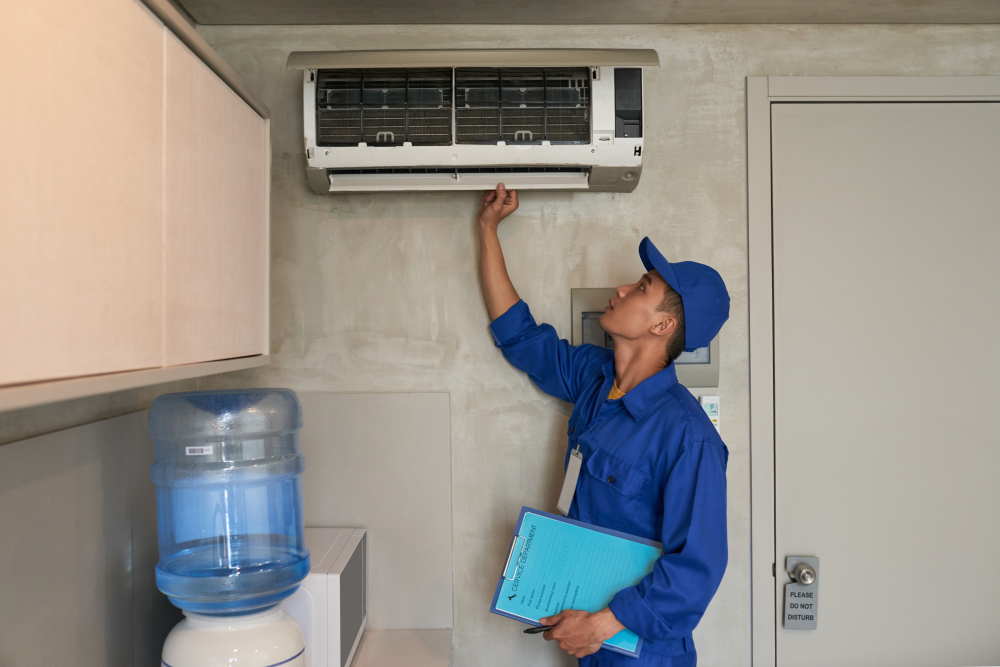
If your AC fan keeps running after the compressor shuts off, it’s worth paying attention to. Sometimes it’s a simple settings issue, but other times it points to something that needs professional attention. 

From thermostat behavior to worn-out components that may require HVAC parts replacement, there are several reasons this happens. Knowing the difference between a minor quirk and a real problem can save you from a more serious breakdown down the road.

Understand What the Fan and Compressor Actually Do

Before getting into why the fan might keep running, it helps to understand what each part is responsible for. The compressor is the core of your cooling system. It circulates refrigerant and creates the cooling effect that lowers indoor temperatures.

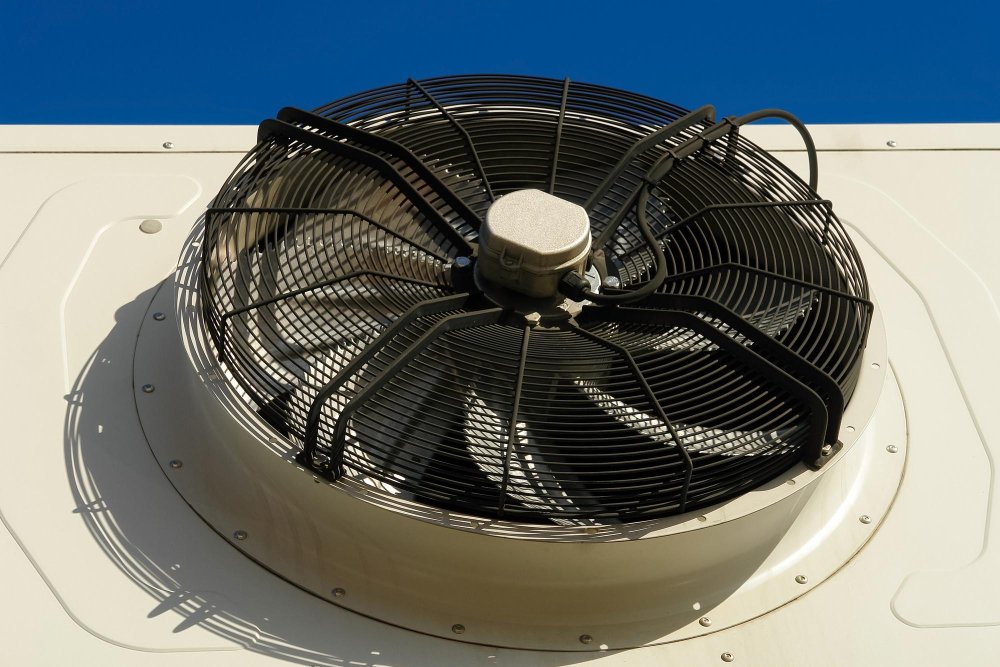
The fan has a different role. It moves air across the evaporator coil and distributes cooled air throughout your home. These two components do not always operate at the exact same time. The compressor handles the cooling process, while the fan manages air movement. 

In some situations, the AC fan keeps running after the compressor shuts off as part of normal system design. In others, it signals a mechanical or control issue that needs attention.

It Could Be Your Thermostat Settings

One of the most common reasons this issue happens is the thermostat being set to “ON” instead of “AUTO.” When the fan setting is left on “ON,” the blower runs continuously, even after the compressor stops cooling.

In this mode, the fan does not cycle with the cooling system. It keeps air moving through the home at all times, regardless of whether cooling is active or not.

Switching the setting to “AUTO” allows the fan to run only during active cooling cycles. If the AC fan keeps running after the compressor shuts off, the thermostat should always be the first thing checked before assuming a mechanical problem.

A Faulty Relay Switch Could Be Keeping the Fan On

Inside your HVAC system, a relay switch controls when the fan turns on and off. If this component fails or becomes stuck in the “on” position, the fan may continue running even after the compressor has shut down.

This type of electrical issue will not resolve on its own. Over time, it can place extra strain on the fan motor and increase energy consumption. Since the problem involves internal wiring and controls, it requires proper diagnostic tools and experience.

Trying to repair electrical components without training can lead to additional damage or safety risks. In cases where the AC fan keeps running after the compressor shuts off due to a relay failure, professional service is usually required.

The Fan May Be Running to Clear Residual Heat

Some systems are designed to keep the fan running briefly after the compressor stops. This helps circulate remaining cooled air through the ducts and removes leftover heat from internal components.

If the fan only runs for a short period, typically one to two minutes, this is generally normal operation. It is part of the system’s built-in cooling cycle and helps protect internal parts.

When the fan runs for a much longer period or does not shut off at all, it may indicate an underlying issue that should be inspected by a technician.

Low Refrigerant Can Play a Role

Low refrigerant levels can also contribute to situations where the AC fan continues running after the compressor shuts off. When the refrigerant is low, the compressor is unable to complete a normal cooling cycle, which disrupts how the system starts, runs, and shuts down.

This imbalance can lead to irregular operation, longer fan run times, and reduced overall cooling performance. In some cases, you may also notice warmer air from vents, longer cooling cycles, or the system running more frequently without effectively lowering indoor temperature.

Low refrigerant is almost always caused by a leak somewhere in the system and will not correct itself over time. Simply adding refrigerant without fixing the underlying issue is only a temporary fix. 

Handling refrigerant requires proper certification, equipment, and safety procedures. This type of problem should always be addressed by a licensed technician who can locate the leak, repair it, and recharge the system correctly.

How Air Pro Heating Air and Electric Can Help

We understand how concerning it can be when your AC system is not behaving the way it should and you are unsure what is causing it. Our team performs detailed inspections to pinpoint the exact issue and restore proper system operation. We take the time to evaluate both electrical and mechanical components so nothing is overlooked.

From refrigerant issues and airflow problems to control malfunctions and worn parts, we handle the full range of HVAC concerns. Once the root cause is identified, we carry out the necessary repairs so your system can return to stable and reliable performance.

Contact us or book your service online today, and we’ll get your AC running the way it should.

Emergency AC Repair in Fayetteville, NC

A sudden air conditioning breakdown can quickly turn your home into an uncomfortable, even unsafe, environment, especially during the sweltering Fayetteville summer months. Recognizing the signs of an AC emergency, such as strange noises, inconsistent cooling, or complete loss of airflow, is critical to acting quickly.

Being able to call for an emergency AC repair in Fayetteville, NC, makes sure that these issues are addressed immediately, preventing further damage and restoring comfort to your home without delay. Rapid attention not only saves money but also reduces the stress of living without reliable cooling during extreme heat.

Common AC Emergency Signs

Strange sounds like grinding, buzzing, or hissing often indicate internal issues that require immediate attention. Inconsistent cooling or hot spots throughout your home can signal refrigerant leaks, blocked airflow, or failing components. 

Complete loss of airflow is a critical warning that the system may be shutting down due to electrical or mechanical failures. Acting quickly in these situations is vital to minimize damage and restore comfort. Homeowners who contact an emergency AC repair in Fayetteville, NC, can address these problems before they cause costly system failures.

Even seemingly minor problems, such as a frozen coil, low refrigerant levels, or a malfunctioning compressor, can escalate rapidly. Ignoring these signs can lead to total system failure, higher repair costs, and prolonged downtime. 

Risks of Delayed Repairs

Waiting too long to call for professional service increases stress on your HVAC system. Overworked components can reduce efficiency, shorten the lifespan of your unit, and even compromise indoor air quality. Malfunctioning AC units often fail to regulate humidity properly, which can lead to discomfort, mold growth, and uneven cooling.

Extreme heat also poses health risks. Children, seniors, and anyone with medical conditions are especially vulnerable to prolonged exposure. Knowing that a reliable licensed service is available for emergency AC repair in Fayetteville, NC, provides peace of mind and allows homeowners to protect both their property and family.

Professional Technicians Make a Difference

Licensed technicians are trained to quickly identify the root cause of AC problems. With specialized tools and extensive experience, they perform repairs efficiently, often completing the job during a single visit. Professionals can troubleshoot complex issues that homeowners might overlook.

Common repairs include diagnosing electrical problems, repairing refrigerant leaks, and replacing worn-out parts. Fast response not only restores reliable cooling but also maintains energy efficiency. Engaging professional service reduces the risk of repeat problems and gives homeowners confidence in the long-term performance of their AC system.

How Air Pro Heating Air and Electric Can Help

Air Pro Heating Air and Electric offers prompt and reliable emergency AC repair in Fayetteville, NC. Our licensed technicians respond quickly when problems arise, restoring cooling and maintaining safe operation. Each repair begins with a thorough assessment, and we explain every step clearly, so homeowners understand the work being done. Solutions are customized to match your home’s specific needs.

Call for an estimate or appointment with Air Pro Heating Air and Electric today for immediate service. We’re here to handle emergency repairs efficiently, giving you peace of mind and a cool, safe home when it matters most!

When To Call Emergency AC Repair: 7 Warning Signs

when-to-call-emergency-ac-repair-7-warning-signs

Indoor temperatures rise fast when cooling systems fail during a brutal summer afternoon. This sudden heat creates a dangerous environment for families and pets without a working unit. 

Immediate emergency AC repair prevents long-term damage to expensive internal components while restoring a chilly breeze quickly. Fast action keeps a home safe and comfortable during the most humid months of the year. Reliability matters when the sun beats down on a house.

We serve as the premier emergency AC repair company in Fayetteville, NC, because we prioritize your comfort. Our team brings years of experience and local knowledge to every single service call. We arrive fast to fix your cooling problems so you can relax in a cold home. Rely on us for the best results in the region!

AC System Blowing Warm Air During Heatwaves

Air conditioners should only move cold air through the vents to fight off the sweltering outdoor heat. Warm air signals a serious problem with the refrigerant levels or a failing compressor inside the metal cabinet. This issue makes the house feel like an oven and forces the system to run without stopping. 

Constant operation burns out the motor and leads to a very expensive replacement if left alone. A skilled HVAC Installer identifies the exact leak or mechanical failure to restore the icy flow you need. These technicians possess the right tools to handle high-pressure chemicals and complex machinery safely for your peace of mind.

Burning Smell Coming from Air Conditioning Unit

An acrid odor resembling burnt plastic or sulfur indicates that electrical wires have started to melt inside. This smell often follows a power surge or a motor that has become way too hot to touch. 

Continuing to run a unit in this condition creates a fire hazard for the entire residential structure. Turn the power off at the breaker box to prevent any sparks from spreading through the walls. 

Loud Grinding or Screeching Noises from the AC

Modern cooling systems usually operate with a quiet hum that disappears into the background of a busy home. Screeching sounds often point to a slipped fan belt or a bearing that has lost its lubrication. Grinding noises suggest that metal parts are rubbing together and shaving off tiny bits of steel every second. 

Ignoring these sounds leads to a total mechanical seizure that destroys the heart of the cooling machine. Trusting a professional protects your investment from the total destruction caused by metal-to-metal contact during operation.

Complete AC Failure During Extremely Hot Temperatures

Nothing feels worse than a thermostat screen that stays dark while the indoor air becomes thick and sticky. This total failure happens when the system loses power or the control board stops talking to the fans. High heat puts immense pressure on every part of the machine until something finally snaps under the heavy load. Without a working fan, the house stays trapped in the stagnant humidity of a North Carolina summer. 

Electrical Issues Causing AC System Malfunction Immediately

Flickering lights or a buzzing sound near the outdoor unit often signal a major fault in the wiring. These electrical hiccups prevent the system from getting the steady flow of energy it needs to spin. Corroded wires or loose terminals create heat that can damage the sensitive computer chips inside the cooling unit. Electrical failures happen fast and often leave a home without any way to lower the indoor temperature. 

Frozen Evaporator Coil Affecting System Cooling Performance

Ice should never grow on the copper pipes of an air conditioner, even on the hottest summer day. A frozen coil happens when the airflow stops or the refrigerant levels drop too low for the system. This ice blocks the air from moving and forces the compressor to work until it breaks from exhaustion. The unit will eventually stop cooling entirely as the block of ice grows thicker over the metal fins. 

Water Leaks Around Air Conditioning System Components

Puddles forming at the base of the furnace or the outdoor unit indicate a clogged drain line. These leaks can ruin drywall, rot wooden floors, and encourage the growth of dark mold inside the walls. A backup happens when dust and slime fill the narrow plastic pipe that carries condensation away from the house. Standing water also triggers safety switches that shut the entire cooling system down to prevent further flood damage. 

Call Air Pro Heating Air And Electric For Complete Comfort And Power Today

Experience comfort and power like never before with our veteran-owned team standing by to assist you. We provide the most reliable immediate HVAC repair service because we know that heat can be dangerous. Our team brings upfront pricing and flexible financing to every home, so you never worry about hidden costs. 

We hold over 2,300 five-star reviews from neighbors who trust our licensed technicians to do the job right. You can contact an urgent HVAC repair technician in Fayetteville from our office at any hour of the day or night. We serve as the top choice for cooling and electrical solutions under one single roof for your convenience. 

Air Pro Heating Air and Electric remains ready to restore your home to a chilly and safe environment right now.

AC Services Guide: What It Includes and Why It Matters

Fresh air fills a room when a cooling system operates at peak performance. That level of performance comes from regular AC services that keep every internal component in proper condition. 

A well-maintained unit lowers monthly energy costs while holding the indoor temperature steady and comfortable. Clean parts reduce the risk of sudden breakdowns during the hottest months of the year. Dependable cooling improves daily comfort and overall quality of life inside the home.

Air Pro Heating Air and Electric provides the best cooling care in the region. We work as a licensed HVAC contractor in Fayetteville, NC, to fix any system issue fast. Our team keeps your home comfortable and safe always.

What Specific Tasks a Professional AC Maintenance Includes

Comprehensive inspections help a cooling system operate without strange noises or unexpected shutdowns. Each component receives close attention so hidden wear can be addressed before a major failure develops. Routine AC services focus on performance, safety, and long-term reliability.

  • Coil Cleaning: Dirt restricts heat transfer and forces the motor to work harder than necessary. Technicians clean the metal fins carefully to restore proper airflow and cooling capacity. This step reduces strain on the compressor and helps control repair expenses. A clean coil transfers heat out of the home efficiently day after day.
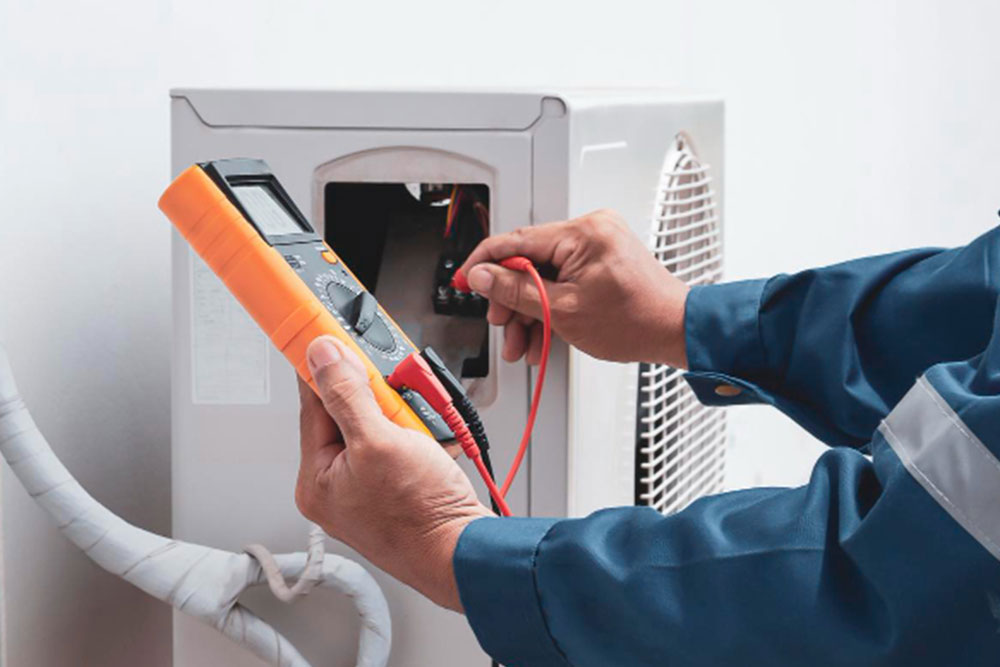
  • Electrical Checks: Loose wiring or failing capacitors can lead to fire hazards or complete system failure. Every connection is tested to confirm voltage levels remain within safe operating limits. This inspection shields the motor from burnout during intense summer heat. Stable wiring also protects sensitive control boards inside the outdoor unit.
  • Drain Flushing: Algae and debris often clog the drain lines that carry condensation away from the indoor unit. Clearing these lines prevents water damage to the flooring and nearby drywall. Removing buildup also reduces the risk of mold growth in damp areas of the system. Proper drainage keeps humidity balanced so indoor air feels fresh and clean.
  • Refrigerant Levels: Low refrigerant reduces the system’s ability to absorb heat from indoor air. Pressure readings help determine if a leak exists within the copper lines. Correct levels keep the vent air cold even during humid weather. Accurate charging also prevents the evaporator coil from freezing into solid ice.

Benefits of Scheduling Spring Tune-Ups Every Year

Yearly maintenance prepares cooling equipment for the heavy demands of summer. Early inspections uncover weak components that might fail once outdoor temperatures climb past ninety degrees.

  • System Longevity: Routine care extends equipment life by reducing friction and excessive heat. Moving parts stay clean and properly lubricated to prevent wear. This approach reduces the chance of replacing the central unit too soon. A well-maintained system can deliver reliable cooling for more than a decade without losing strength.
  • Energy Efficiency: Clean equipment consumes less electricity to cool the same space. Improved efficiency slows the utility meter even when sunlight heats the roof. Lower monthly bills often offset the cost of seasonal maintenance within a short period. The system reaches the desired temperature quickly and cycles off to conserve power.
  • Better Comfort: Steady airflow keeps each room aligned with the thermostat setting. A tuned unit removes moisture effectively, so indoor air feels lighter and less sticky. Balanced humidity transforms the home into a comfortable retreat from outdoor heat. Reliable cooling improves sleep quality and daily productivity.
  • Warranty Safety: Many manufacturers require documented annual maintenance to keep warranty coverage valid. Skipping service may void protection on costly parts such as the compressor or evaporator coil. Service records safeguard the financial investment in the system. Documentation confirms the equipment received professional attention from a qualified technician.

When to Replace Your Old Central Air Unit

Systems older than fifteen years often cost more to repair than they justify. Repairs approaching half the price of a new unit usually signal that replacement is the wiser choice. Modern models use updated refrigerants that are more environmentally responsible and more affordable. 

Repeated breakdowns indicate internal components have reached the end of their service life. A new installation brings updated technology and a fresh warranty to the entire household.

Steps for Improving Indoor Air Quality this Summer

  • UV Lights: Installing ultraviolet lamps inside the air handler kills mold spores and bacteria on the coils. These lights break down the DNA of germs so they cannot grow or spread through the vents. This technology keeps the air smelling fresh and prevents the “dirty sock” odor common in many systems. 
  • High MERV Filters: Better filters trap tiny particles like pollen, pet dander, and fine dust from the air stream. These thick pleated materials catch much more debris than the cheap fiberglass versions found in most stores. Removing these irritants helps the air feel lighter and much cleaner to breathe.
  • Humidity Control: Keeping the moisture level below fifty percent stops the growth of dust mites and mildew. A dry home feels cooler at a higher temperature, which saves money on the monthly electric bill. Whole-home dehumidifiers work with the AC to pull gallons of water out of the air every day. This balance prevents the sticky feeling that makes summer days so uncomfortable and tiring.

Choosing the Correct Size Units for Your Home Layout

A cooling unit that is too large will turn off before it removes the humidity. A system that is too small will run forever and never get the house cold enough.

  • Load Calculation: Professionals measure the windows, walls, and insulation levels to find the perfect cooling capacity. This math prevents the purchase of a machine that is a poor match for the space. Correct sizing leads to a longer life for the compressor and much lower energy bills. It takes the guesswork out of a major home improvement project for the owner.
  • Square Footage: The total area of the house determines how much air the blower motor must move. Rooms with high ceilings or many windows need more power to stay cool during the afternoon sun. Technicians look at the floor plan to see where the air might get stuck or slow down. This detail leads to a balanced system that reaches every single corner effectively.
  • Insulation Quality: Homes with thick walls and modern windows hold the cold air inside much longer. This allows for a smaller and more affordable unit that does not need to work as hard. Testing the seal of the house helps determine how much heat enters from the outside world. 

Get Expert Help from Air Pro Heating Air, and Electric Today

Heat and humidity create a lot of stress when the cooling system fails in the middle of a hot summer night. We provide reliable 24/7 emergency service to restore the power and comfort of the home quickly. Our team holds the North Carolina HVAC Contractor License #34809 and the North Carolina Electrical Contractor License #U37137 for total peace of mind. 

We value honesty and offer upfront pricing for every single job we perform. Our HVAC installation contractors handle full system replacements with extreme precision and care. We have earned over 2,300 five-star Google reviews by putting the needs of the community first every time.

Our heating cooling installers in NC also upgrade electrical panels to support the latest high-efficiency equipment. We bring combined expertise under one roof to solve all comfort and power issues at once. 

Experience comfort and power like never before with the help of Air Pro Heating Air and Electric.