









Category Archives: HVAC

Repair Or Replace HVAC: Which Is Better For Your System?

repair-or-replace-hvac-which-is-better-for-your-system

When your heating or cooling system starts showing signs of trouble, it can be difficult to decide whether to call for a repair or consider a full replacement. Homeowners often ask, “Should I repair or replace HVAC?” This question isn’t just about cost, but also about safety, energy efficiency, and the long-term comfort of your home. 

Knowing the key factors can help you make a confident decision that protects both your HVAC system and your wallet in case of an emergency.

Signs Your HVAC May Need Attention

The first step in deciding whether to repair or replace your system is recognizing the warning signs of a struggling unit. If your HVAC requires frequent repairs within a short period, it could indicate that components are wearing out and the system is nearing the end of its useful life. Rising energy bills are another common signal, often caused by an older or malfunctioning system working harder to maintain the desired temperature. 

Rooms that are consistently too hot or too cold may reveal inefficiencies or failing ductwork and components. Unusual noises, such as grinding, squealing, or rattling, or strange odors like burning smells, can also indicate mechanical or electrical issues within your unit. 

Noticing any of these problems doesn’t automatically mean you need a replacement, but it does signal that a professional evaluation is necessary. Ignoring these signs can lead to bigger problems, higher costs, and reduced home comfort.

Factors to Consider Before Repairing or Replacing

Several factors influence the decision to repair or replace HVAC. The age of your system is a major consideration. Most HVAC units last 10 to 15 years with proper maintenance. If your system is within this range and only experiencing minor issues, a repair may be the best solution. Systems nearing or beyond their expected lifespan often require replacement because older units are prone to repeated breakdowns and declining efficiency.

The frequency and cost of repairs also affect your choice. Units that need multiple service visits recently may cost more to maintain over time than investing in a new system. A professional technician can guide you on whether repairing the system will provide reliable long-term performance or act as a temporary fix.

Energy efficiency is another key factor. Older units generally operate at lower efficiency, which can increase monthly energy bills. Installing a modern system can improve comfort and lower costs during Fayetteville’s peak summer and winter months. Newer HVAC units often include smart thermostats, advanced air filtration, and quieter operation.

Safety and environmental considerations also play a role. Leaking refrigerant, exposed wiring, or failing components can create hazards in your home. Replacing an outdated system addresses these risks while improving indoor air quality and aligning with current safety standards.

Understanding Repair Costs and Benefits

Repairing your HVAC system is often the first option homeowners consider. Repairs are generally less expensive upfront and can extend the life of your system for several years. Common fixes such as thermostat malfunctions, clogged filters, or fan motor issues can restore comfort without a full replacement.

Repairing is most effective for newer or well-maintained systems. Continually fixing an older or failing unit can become costly, inconvenient, and unreliable. Homeowners should weigh the cost of repeated repairs against the advantages of a modern system to achieve long-term savings, consistent performance, and peace of mind.

When Replacement Is the Better Choice

While repairs can be effective for minor issues or newer units, there are times when replacement is the smarter option. If your HVAC system is more than 10 to 15 years old, it may be nearing the end of its lifespan, and repeated repairs could become costly and inconvenient. 

Older units are often less efficient, meaning they consume more energy to maintain the same level of comfort, which can significantly impact your utility bills over time. Upgrading to a modern system not only improves efficiency but also guarantees more consistent temperature control throughout your home.

Certain issues also make replacement more practical. Extensive component failures, frequent breakdowns, or significant damage to key parts like compressors or heat exchangers are often signs that repairing the system would be a temporary fix rather than a long-term solution. 

Additionally, homes that have undergone renovations or added new appliances may require a system capable of handling increased demands. A new HVAC unit helps your home maintain comfort reliably, even during Fayetteville’s hottest summer days or the coldest winter nights.

Choosing replacement also allows homeowners to take advantage of newer technology and enhanced safety features. Modern HVAC systems include options like programmable or smart thermostats, quieter operation, improved air filtration, and environmentally friendly refrigerants. 

Professional Evaluation Is Key

Deciding whether to repair or replace your HVAC system isn’t something to guess at. A professional evaluation is critical to understanding the condition of your unit and making an informed choice. Licensed technicians assess the age, efficiency, and overall performance of your system, identify hidden issues that may not be obvious to homeowners, and provide honest recommendations based on your specific situation.

During an inspection, professionals will check the functionality of key components, evaluate airflow and ductwork, and test system efficiency. They can provide clear cost estimates for repairs versus replacement, so you can weigh short-term expenses against long-term benefits. 

How Air Pro Heating Air and Electric Can Help

Air Pro Heating Air and Electric specializes in helping homeowners make confident decisions about their HVAC systems. We understand that choosing to repair or replace a system is not just a financial decision. It’s about the safety, comfort, and efficiency of your home. 

If you’re unsure whether to repair or replace your HVAC, contact our friendly team today to schedule a professional evaluation and take the first step toward reliable comfort in your home.

How To Finance A New HVAC System For Your Home

how-to-finance-a-new-hvac-system-for-your-home

Replacing your home’s heating and cooling system can be a significant financial investment. Whether your current system is failing or you’re upgrading to a more energy-efficient model, finance a new HVAC system can make the process more manageable. There are various financing options available to homeowners that can help spread the cost over time, so you don’t have to bear the full expense upfront.

This guide explores different ways to finance a new HVAC system, key factors to review before choosing a plan, and how to select the right option for your budget. If you’re in need of AC services in Fayetteville, NC, or heating system replacement, we can help guide you through your options.

Understand The Costs Of Replacing Your HVAC System

Before deciding how to finance a new HVAC system, it is important to understand the total cost. Pricing depends on the type of system, the size of your home, and the complexity of the installation. An air conditioner replacement may range from $3,000 to $7,000. A heating system replacement can range from $3,500 to $10,000, depending on the model and installation requirements.

When you contact a professional AC and heating company in Fayetteville, NC for a quote, they will typically conduct a home inspection to assess your needs. They’ll factor in elements like the size of your home, the existing ductwork, and the best system for your cooling and heating requirements. Once you have a quote, you can begin considering financing options.

Traditional Financing: Personal Loans and Credit Cards

Personal loans are a common way to finance a new HVAC system. Banks and credit unions often offer fixed interest rates and structured repayment terms. These loans are typically unsecured, so they do not require collateral. This makes them a predictable and straightforward option.

Credit cards are another option for covering upfront costs. They can be useful if you have access to a low interest rate or a 0% introductory APR. However, interest rates are often higher than those on personal loans. Carrying a balance for too long can increase the total cost of your system.

Homeowners with lower credit scores may still qualify for secured personal loans. These loans require collateral, such as your home or another asset. This can make approval easier, but it also adds risk if payments are missed.

HVAC Company Financing Programs

Many HVAC companies, including Air Pro Heating Air and Electric, have in-house financing programs. These plans are often easier to apply for than traditional loans and may include flexible repayment terms or promotional rates.

Applying directly through the company can simplify the process. Approval and installation are often handled together, which can speed up your project timeline.

Air Pro Heating Air and Electric handles heating services in Fayetteville, NC, and presents financing options that help reduce the burden of upfront costs. Speaking with a team member can help you compare plans and select one that fits your situation.

Home Equity Loan or Home Improvement Loan

Home equity loans are another practical way to finance a new HVAC system. These loans use the equity you have built in your home as collateral, which allows you to borrow a lump sum and repay it over a fixed period.

Since the loan is secured, lenders often offer lower interest rates compared to personal loans or credit cards. This can make monthly payments more predictable and easier to plan for over the long term. Home equity loans also tend to come with fixed interest rates, which means your payment amount stays consistent throughout the life of the loan.

Home improvement loans are specifically structured for renovation projects and major home upgrades, including HVAC system replacements. These loans may be unsecured or secured, depending on the lender and your financial profile. They often include longer repayment terms, which can reduce the size of each monthly payment and make the overall cost easier to manage. Many homeowners choose this option when they want flexibility without tapping directly into home equity.

Both options work well for HVAC replacements because they typically offer higher borrowing limits than standard personal loans. They also come with more competitive interest rates, especially when compared to credit cards. 

Taking time to compare loan terms, interest rates, and repayment schedules can help you choose the right fit for your financial goals while moving forward with your HVAC upgrade.

Government and Utility Company Financing Options

Depending on where you live, you may have access to government or utility company financing programs aimed at helping homeowners improve energy efficiency. These programs often come with low-interest rates and long repayment terms, making them an excellent option if you’re replacing an old system with a more energy-efficient one.

In some cases, you may even qualify for tax credits or rebates for replacing your old HVAC unit with a high-efficiency model. Check with local government websites or ask your HVAC professional about available incentives. In addition to saving money on the upfront cost, these programs can help you lower your energy bills over time.

Low or No Credit HVAC Financing Solutions

If you have low or no credit, you might still be able to find financing solutions that fit your needs. Many HVAC companies, including Air Pro Heating Air and Electric, bring financing programs that are designed for customers with less-than-perfect credit. These programs may allow you to finance your HVAC replacement with flexible terms and low-interest rates, even if you have a poor credit score.

In some cases, HVAC financing for those with no credit may require a small down payment or a co-signer. Be sure to read the fine print and compare the interest rates and repayment terms to make sure you are getting the best deal.

Contact Air Pro Heating Air and Electric for HVAC Financing

If you need help financing a new HVAC system, Air Pro Heating Air and Electric is here to assist you. We offer a variety of financing options to help make replacing your air conditioner, furnace, or heat pump affordable. Our team will work with you to find the best plan for your budget and guide you through the installation process from start to finish.

Contact us today to schedule a consultation or learn more about our heating services in Fayetteville, NC. Let us help you improve the comfort and energy efficiency of your home with a new HVAC system and flexible financing options.

7 Common HVAC Mistakes Homeowners Make

Homeownership brings many responsibilities, and the HVAC system is one of the most important investments you have for comfort and safety. Yet many homeowners make avoidable errors that reduce efficiency, increase costs, and even shorten the lifespan of their equipment. 

Awareness of these common HVAC mistakes helps protect your home, reduce spending on HVAC parts, and maintain a comfortable environment for your family all year long.

Skipping Regular Maintenance

One of the most frequent HVAC mistakes is neglecting regular maintenance. Your system works hard every day, and over time, dust, dirt, and wear-and-tear can reduce its efficiency and lead to breakdowns. Failing to schedule professional inspections or routine maintenance, like filter changes and system cleanings, can result in costly repairs and higher energy bills.

Even simple steps, such as changing filters every one to three months or keeping vents clear of obstructions, go a long way toward prolonging the life of your system. Regular maintenance also helps identify minor issues before they become major problems, keeping your HVAC system running efficiently and safely.

Without consistent upkeep, small issues like loose components or minor blockages can quickly escalate into system failures. You might not notice these problems right away, but they can quietly impact performance and drive up energy usage over time. 

Ignoring Filter Replacement

Clogged or dirty filters are a leading cause of HVAC problems. Many homeowners make the mistake of delaying replacement, assuming a slightly dirty filter is harmless. A blocked filter restricts airflow, forcing the system to work harder. This increases energy consumption, reduces efficiency, and can damage internal components over time.

Selecting the proper filter and replacing it regularly improves air quality, protects the system, and maintains consistent comfort throughout your home. Homes with pets, allergies, or small children benefit most from high-efficiency filters, which trap more dust, pollen, and allergens. 

Ignoring filter replacement can lead to uneven temperatures, longer runtime, and unnecessary strain. Therefore, this is one of the most common HVAC mistakes that homeowners continue to overlook.

Overlooking Thermostat Settings

Thermostats are central to your system’s efficiency. Many homeowners make the mistake of keeping the temperature constant at extreme levels or ignoring programmable and smart thermostat functions. Improper use wastes energy, increases wear on equipment, and can reduce system life.

Using a programmable thermostat allows the system to adjust temperatures when rooms are unoccupied, during sleep, or while away. Even small changes, like raising the temperature a few degrees in summer or lowering it slightly in winter, can reduce energy bills significantly. 

Frequent manual adjustments throughout the day also create stop-and-start cycles, which are harder on components and can accelerate wear. As a result, thermostat management is a critical step to avoid HVAC mistakes.

Blocking Vents and Registers

Obstructing vents with furniture, curtains, or other items is a surprisingly common HVAC mistake. Airflow is essential for proper heating and cooling. When vents are blocked, some rooms remain uncomfortable while the system overworks to reach desired temperatures, raising energy costs and stressing equipment.

Keeping vents clear ensures air circulates evenly throughout your home, improving comfort and system efficiency. Periodically inspecting vents for dust or debris also supports healthy airflow and helps prevent minor issues from turning into major problems. Unrestricted airflow reduces strain on fans, blowers, and ductwork while promoting a consistent indoor climate across every room.

Neglecting Ductwork

Your duct system serves as the critical delivery network for heated or cooled air, and neglecting it ranks among the most damaging HVAC mistakes homeowners make. Leaks, holes, or disconnected sections allow conditioned air to escape before it reaches living spaces. The system must work harder, which increases energy consumption.

Over time, poorly maintained ducts can accumulate dust, allergens, pet dander, or even mold. This negatively affects indoor air quality and can lead to health issues for your family.

Professional duct inspections and cleaning help identify hidden leaks, blockages, or contamination that often go unnoticed. Consistent ductwork maintenance keeps the HVAC system operating efficiently, guarantees consistent comfort throughout the home, and protects family members from airborne allergens and pollutants. 

Regular attention to ducts also reduces strain on the HVAC unit, prevents costly repairs, and extends the overall lifespan of the system, saving homeowners both time and money in the long run.

Forgetting About System Upgrades

Holding on to outdated HVAC equipment is another frequent mistake. Older systems may appear functional, but often operate inefficiently, consume more energy, and break down more often. Delaying upgrades results in higher repair costs, greater energy bills, and diminished comfort.

Modern HVAC units offer improved efficiency, quieter operation, zoning options, and smart thermostat compatibility. Upgrading older systems reduces energy use, improves performance, and supports long-term home comfort. 

Consulting a professional to assess system age, energy efficiency, and functionality helps determine whether repair or replacement is the better choice. This advois common HVAC mistakes and saving money over time.

Skipping Professional Help

Attempting DIY repairs or adjustments is a major HVAC mistake that many homeowners make. HVAC systems are complex, and improper handling can cause significant damage, void manufacturer warranties, or create serious safety hazards such as refrigerant leaks, electrical issues, or even fire risks.

Air Pro Heating Air and Electric helps homeowners avoid these common mistakes. Our licensed professionals thoroughly inspect, maintain, and repair all types of HVAC systems. From routine filter replacements and duct cleaning to full system upgrades and component troubleshooting, every task is handled with precision and care.

Relying on professional expertise protects your investment, keeps the system operating efficiently, extends the equipment’s lifespan, and maintains a safe, comfortable environment for everyone in the home.

Trust Air Pro Heating Air and Electric to Help

By relying on trained experts, you not only protect your investment but also ensure your home stays safe, efficient, and comfortable year-round. Simple adjustments like proper thermostat programming, regular maintenance, and timely filter changes can make a significant difference in system performance and longevity.

Call for an estimate or appointment with Air Pro Heating Air and Electric today to keep your HVAC system running smoothly, your home comfortable, and your family safe!

What To Expect From Emergency HVAC Service

When your air conditioner stops in the middle of a humid Carolina summer or your furnace shuts down during a winter cold snap, you feel it immediately. The temperature in your home shifts fast, and so does your stress level. In those moments, calling for emergency HVAC service is often the next step. 

A Prompt Response and Clear Communication

The emergency HVAC service process begins before a technician arrives at your door. When you call, you should be connected with a live representative who listens closely to what is happening in your home. Questions may cover unusual noises, strange odors, weak airflow, or a complete system shutdown. These details help the team assess urgency and prepare for the visit. 

You should receive a realistic arrival window. During peak summer heat or the first winter freeze, demand often rises sharply. Even during busy periods, emergency HVAC service should be handled with urgency and professionalism. Clear communication reduces uncertainty and helps you decide what to do while waiting for the technician. 

If you need emergency AC repair in Fayetteville, NC, you can expect our technician to arrive equipped to handle common cooling issues that arise during extreme heat.

A Thorough Diagnostic Process

Once on site, the technician begins with a detailed diagnosis. Even when the issue appears straightforward, such as a unit that will not power on, a comprehensive inspection is necessary. HVAC systems rely on electrical components, mechanical parts, and airflow systems working together. A fault in one area can trigger symptoms in another.  

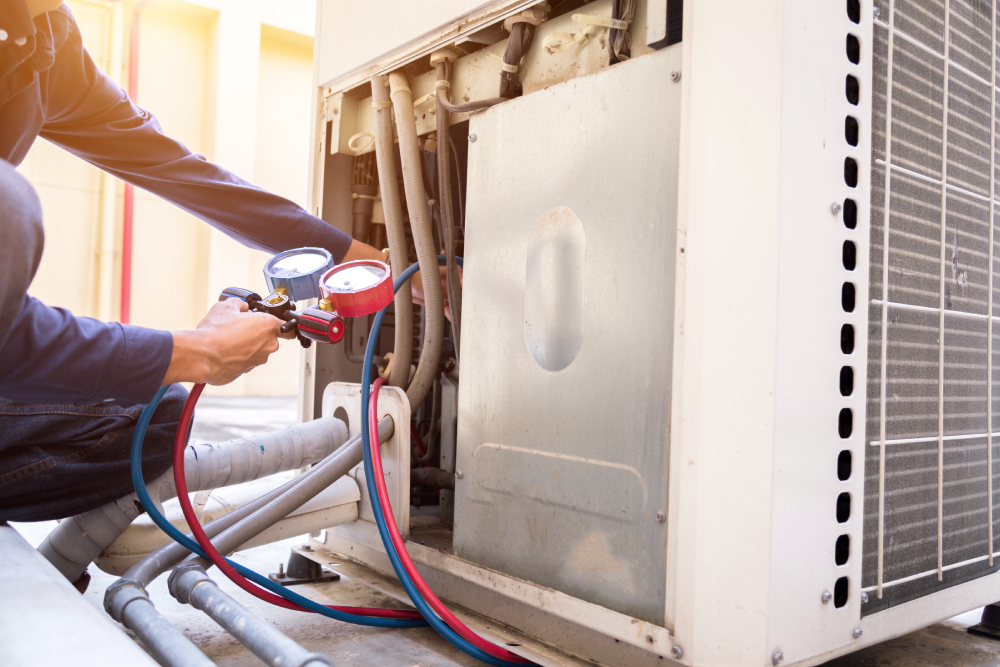
The technician will review thermostat settings, inspect wiring connections, and evaluate major components such as the compressor or blower motor. Refrigerant levels may be tested if cooling performance is the concern. Furnace-related calls often involve checking ignition systems and heat exchangers. 

Clear explanations should accompany every step. Technical findings need to be explained in plain language. You should understand what failed, why it happened, and what solutions are available. 

Honest Pricing Before Work Begins

After identifying the problem, the technician will outline repair options and associated costs. Emergency HVAC service should not involve unexplained charges. A detailed breakdown of the work and pricing should be presented before any repairs begin. 

If multiple solutions exist, each option should be discussed clearly. Replacing a worn component may resolve the immediate issue. If the system is aging, a larger repair or full replacement might be considered as a long-term solution. Transparency matters more than pressure. 

When working with a trusted heating company in Fayetteville, NC, you should feel informed rather than rushed. You remain in control of whether to move forward with the recommended repair.

Skilled Repairs Focused on Long-Term Performance

Once you approve the work, the technician begins repairs. Service vehicles are typically stocked with commonly needed parts, especially during high-demand seasons. Preparation like this helps many emergency HVAC service calls reach resolution in a single visit. 

Repairs may involve replacing electrical components, correcting wiring issues, fixing refrigerant leaks, or installing a new motor. The technician will work carefully and methodically. Speed matters during an emergency, but workmanship still takes priority.

After repairs are completed, the system undergoes testing. A full operating cycle is run to check airflow, temperature output, and electrical function. 

Respect for Your Home and Your Time

HVAC emergencies already disrupt your routine. Professional technicians recognize this. Courteous behavior should be expected from the moment they enter your home. Protective coverings may be placed in work areas, and tools should be handled neatly and responsibly. Work zones are kept organized to limit mess, and debris is removed promptly once repairs are complete.  

Communication continues throughout the visit. If something unexpected is discovered during the repair, it should be explained clearly. Updates about progress, timing, and next steps help you feel informed. You should not be left wondering what is happening behind the scenes, and your time should be treated with consideration from arrival to departure.

Guidance to Help Prevent Future Emergencies

An emergency breakdown often highlights underlying wear and tear. After your immediate problem is fixed, the technician may discuss maintenance or upgrades that could reduce the risk of another sudden failure.

Fayetteville’s climate places heavy demands on HVAC systems. Long, humid summers strain cooling equipment. Winter cold snaps push heating systems to their limits. Routine maintenance helps equipment handle these seasonal pressures more reliably. Recommendations may include scheduled tune-ups, filter replacements, or thermostat improvements. 

At Air Pro Heating Air and Electric, our heating, cooling, and electrical solutions are designed to bring comfort back to your home quickly. We handle urgent repairs, system upgrades, and full replacements, helping you stay comfortable through every season.

Understanding The HVAC Installation Process

understanding-the-hvac-installation-process

Upgrade your home’s comfort and efficiency by learning what to expect from the HVAC installation process. Replacing or installing a heating and cooling system is a significant investment that affects energy use, indoor air quality, and comfort year-round. 

Knowing each stage builds confidence, helps you prepare in advance, and minimizes the stress that can come with unexpected issues. From selecting appropriate equipment to completing final system checks, every phase of the HVAC installation process plays a critical role in long-term performance and peace of mind.

Air Pro Heating Air and Electric works with homeowners in Fayetteville and surrounding areas to make HVAC upgrades seamless. Our team offers professional guidance at every stage, providing expertise that keeps your home comfortable in every season.

Assessing Your Home’s Heating and Cooling Needs to Match the Right System

A detailed evaluation of your property is the foundation of the HVAC installation process. Technicians calculate square footage, review insulation levels, evaluate window efficiency, and inspect existing ductwork. They also examine how your home retains warmth during winter and how effectively it releases heat in summer.

An incorrectly sized system often leads to ongoing frustration. Oversized units tend to heat or cool rapidly, which causes frequent cycling and uneven indoor temperatures. Undersized equipment works continuously during peak conditions, driving up energy costs and placing excessive strain on components.

Accurate load calculations provide a clear picture of the right system size for your home. This kind of detailed evaluation is a standard practice for a trusted heating company in Fayetteville, NC, and ensures your new system performs efficiently for years.

Selecting the Right Equipment for Your Home’s Comfort and Efficiency

After determining your home’s requirements, the next step in the HVAC installation process involves choosing the proper equipment. Options may include high-efficiency furnaces, heat pumps, central air conditioners, and variable-speed systems, each designed for specific performance goals.

Energy ratings, dependability, and projected long-term expenses all influence the selection. Your contractor can explain how various systems perform in local climate conditions and which features can elevate indoor comfort.

Choosing the right system upfront prevents surprises, reduces maintenance headaches, and maximizes long-term savings. For example, scheduling AC installation in Fayetteville, NC requires careful attention to sizing and efficiency to maintain consistent indoor temperatures during hot summers. 

Preparing Your Home Thoroughly Before the Installation Begins

Proper preparation helps the project move forward efficiently. Work areas should be cleared, furniture relocated, and floors protected. Adjustments to ductwork or electrical components may also be necessary before new equipment is set in place. Careful preparation reduces the likelihood of property damage and helps technicians complete their tasks safely.

Planning also includes confirming thermostat placement, vent positioning, and any additional air quality features such as humidifiers or air purification systems. Discussing these details early enables the installation team to anticipate requirements and avoid interruptions once work is underway.

Coordinating schedules and organizing your space reduces disruptions to daily life. A well-prepared home contributes to a smoother experience and lays the groundwork for dependable performance in the years ahead.

Removing the Old Heating and Cooling System Safely and Efficiently

The next phase of the HVAC installation process focuses on removing the existing equipment. Technicians disconnect electrical wiring, refrigerant lines, and duct connections with care. Power sources are secured first to reduce safety risks, and refrigerant is handled according to environmental regulations. The previous unit is taken out while protecting surrounding structures and finishes. 

Walls, flooring, and nearby fixtures are shielded to prevent accidental damage during removal. Responsible disposal of outdated components is also addressed during this stage, keeping old materials out of landfills whenever recycling options are available.

Experience is essential during removal because errors can compromise safety or interfere with the performance of the new system. Careful dismantling prepares the space for updated equipment and helps prevent complications during installation.

Installing the New HVAC System with Precision and Care

After clearing the area, technicians install the new HVAC system with close attention to detail. Indoor and outdoor units are positioned correctly, electrical connections are completed, and ductwork or refrigerant lines are secured. All connections are sealed and inspected for proper alignment. 

Mounting brackets are stabilized, drainage systems are configured correctly, and insulation is applied where needed to protect efficiency and prevent energy loss.  Attention to detail directly affects airflow, efficiency, and overall system lifespan. Adhering to manufacturer specifications protects equipment integrity and preserves warranty coverage.

Professional workmanship results in smooth operation from the first day of use and delivers the level of comfort you expect. 

Testing, Calibrating, and Optimizing Your New System for Peak Performance

After installation, technicians conduct comprehensive testing and calibration. They check airflow, temperature output, and electrical connections to verify proper operation. Thermostats are tested, and any home zones are balanced to provide even heating or cooling.

This stage allows the team to make fine adjustments to maximize performance and efficiency. Proper calibration helps the system respond effectively to temperature changes and prevents unnecessary energy consumption. Testing also confirms that your investment will deliver comfort and reliability throughout Fayetteville’s hot summers and winter cold snaps.

Final Walkthrough with Homeowners and Guidance on Using Your System

The final phase of the HVAC installation process is a walkthrough with you, the homeowner. Technicians explain how to operate the system, set thermostats, and maintain filters and other components. Additional features, such as humidity control, programmable schedules, or air quality devices, are demonstrated and explained.

Understanding how your new system works allows you to take full advantage of its features. Proper use and maintenance extend equipment life, improve energy efficiency, and maintain comfort year-round. Air Pro Heating Air and Electric takes the time to answer all questions so you feel confident managing your new system.

Take action now to upgrade your home’s comfort and efficiency with a professional HVAC installation. With Air Pro Heating Air and Electric, you can rely on expert guidance from start to finish, from evaluation and equipment selection to precise installation and final testing. 

Our team installs and maintains systems that keep your home at the perfect temperature year-round, improve energy efficiency, and enhance indoor air quality, providing a reliable and comfortable environment for you and your family.

Top 10 Heater Repair Problems And How To Solve Them

Cold air can quickly take over a room when a furnace stops working properly. Minor malfunctions often grow into major breakdowns without prompt heater repair that addresses the true source of the problem. Internal components wear down over time and reduce the steady flow of heat throughout the home. Learning to recognize these warning signs helps prevent your house from turning into an ice box during freezing weather.

Air Pro Heating Air and Electric fixes these issues with speed and skill. We serve as a licensed HVAC contractor in Fayetteville NC to help every neighbor stay warm. Our technicians bring extensive field experience to every job site. We show up on schedule and focus on restoring dependable comfort as quickly as possible.

Heater Not Producing Enough Warm Air Output

Low heat output often points to a worn blower motor or a loose fan belt inside the system cabinet. A furnace may run continuously without reaching the temperature set on the thermostat. Dirt buildup on the heat exchanger can also reduce heating performance. 

Routine service keeps internal components operating smoothly, so the system delivers strong, consistent warmth. Early heater repair prevents hidden cracks or airflow issues from causing a full shutdown. 

Heater Blowing Cold Air Instead of Heat

A furnace that pushes cold air through the vents may have a tripped limit switch or a dirty flame sensor. Air circulates, but the burner fails to ignite properly. Rooms remain uncomfortable even though the fan motor continues running. 

Cleaning the sensor or resetting the safety switch restores ignition and brings warmth back into the home. Diagnosing ignition faults quickly prevents repeated shutdowns and unnecessary strain on the system. 

Strange Noises During Heater Operation and Startup

Banging sounds or loud squeals indicate that metal parts are grinding against each other during the start cycle. These noises often mean a motor bearing has failed or a squirrel cage fan has shifted. Ignoring these sounds leads to broken parts that fly through the system and cause massive damage. Tightening bolts and lubricating moving pieces quiet the machine and keep it running for many years. 

An HVAC installation specialist hears the difference between a minor rattle and a major mechanical failure. Hiring a pro prevents a small noise from turning into a very expensive replacement.

Heater Turning on and off Frequently Problems

Rapid cycling happens when the furnace gets too hot and shuts down to protect itself from fire. This constant starting and stopping puts heavy stress on the ignition system and the blower motor. Often a clogged exhaust vent or a restricted return duct causes this dangerous overheating cycle. 

Clearing the path for air allows the unit to run for the correct amount of time. A thermal comfort specialist measures the heat levels to find out why the safety sensors trigger so often. Seasoned experts fix the cycle timing to save money on monthly energy bills.

Faulty Thermostat Causing Heater Performance and Control Issues

The thermostat acts as the brain of the entire heating system by sending signals to start. Old batteries or loose wiring prevent the wall unit from communicating with the furnace in the basement. A misaligned sensor reads the room temperature incorrectly and tells the heat to turn off too soon. Replacing the thermostat or recalibrating the digital display fixes the communication gap between the two devices. 

Dirty Filters Restricting Heater Airflow and Efficiency Levels

Thick layers of dust on a filter block the path that air must take to get warm. The furnace struggles to pull in enough fresh air which makes the internal components work twice as hard. This extra effort burns more fuel and wears out the motor much faster than normal. Changing the filter every month keeps the air clean and the energy costs very low. 

Pilot Light or Ignition System Failure Causes

Modern heaters use electronic igniters while older models rely on a standing pilot light to start the fire. Carbon buildup on the igniter prevents the spark from hitting the gas and creating a flame. A draft in the utility room might blow out a pilot light and stop the heat. Cleaning the ignition tips or replacing the glow plug restores the ability to start the furnace. 

Electrical Problems Affecting Heater Function and Safety Performance

Loose wires or a blown fuse stop the furnace from getting the power it needs to run. Vibrations from the motor sometimes shake electrical connections loose over several years of regular use. A tripped breaker in the main panel indicates that the heater pulls too much current at once. 

Blocked Vents and Ducts Affect Heater Efficiency Output

Furniture or heavy curtains often block the floor vents and stop heat from entering the main living areas. Dust and debris also clog the ductwork deep inside the walls where nobody can see the mess. This blockage forces the warm air back into the furnace which causes the system to overheat. Keeping all registers open and clear allows the heat to spread evenly through every single room.

Aging Heater Components Leading to Frequent Repair Needs

Metal parts inside a furnace expand and contract every time the heat turns on and off. This constant movement creates tiny cracks in the heat exchanger and wears down the metal bearings. 

After fifteen years the components reach the end of their life and begin to fail more often. Swapping out old parts before they break keeps the system reliable during the coldest nights of winter. 

Call Air Pro Heating Air and Electric for Fast Service Now

Experience comfort and power like never before with a team that cares about your home. We fix broken furnaces fast because we are the top heating repair technicians in Fayetteville, NC today. Our crew handles emergency repairs and full system replacements to keep the cold away from your family.  We offer upfront pricing and flexible financing so the work fits into your budget easily. 

As a veteran-owned and locally operated business we bring over 2,300 five-star reviews to every single job. You deserve a professional heater repair company that holds both HVAC and electrical licenses for total safety. We provide 24/7 emergency service to solve your heating problems right when they happen. 

Book your appointment with Air Pro Heating Air and Electric to get the best comfort solutions in the region.

How To Buy A New HVAC System For Your Home

A new cooling and heating system can completely change how your home feels during the hottest and coldest months of the year. Many homeowners wait until the old unit breaks down before thinking about a replacement. That last-minute decision often leads to higher costs or disappointing performance over time. 

Learning how to buy a new HVAC system helps you make a confident and informed choice for long-term comfort. Careful preparation protects your budget and keeps indoor air fresh and healthy.

Air Pro Heating Air and Electric fixes comfort issues with speed and skill. We serve the local area as a licensed HVAC contractor in Fayetteville, NC, with a focus on quality. Our team brings years of hands-on field knowledge to every project. An experienced installer can spot airflow issues or duct problems that might reduce the performance of a brand-new unit.

Assess Your Home Heating and Cooling Needs

Every home has rooms that stay warmer or cooler than others throughout the year. Insulation levels and window placement directly affect how hard a system must work. High ceilings and drafty entry points also increase the workload during extreme weather. 

Reviewing these conditions is a key step in understanding how to buy a new HVAC system that truly fits your space. Matching equipment to the structure prevents avoidable strain and early wear. A detailed evaluation helps identify hidden airflow challenges before selecting the right unit.

Understand HVAC System Types and Configurations

Split systems separate outdoor and indoor components for balanced performance and quieter operation. Packaged units house all components in a single cabinet placed outside the home. Heat pumps handle both cooling and heating through one energy-efficient system. 

Ductless mini-splits work well in homes without traditional ductwork. Each option serves different layouts and climate conditions. 

Compare Energy Efficiency Ratings and Standards

Efficiency ratings reveal how much energy a unit uses to cool or heat your home. Higher SEER2 numbers indicate improved cooling efficiency during peak summer months. SEER refers to Seasonal Energy Efficiency Ratio, and stronger ratings translate into lower monthly utility costs. 

Heating systems use HSPF2 or AFUE ratings to measure fuel-to-heat performance. Choosing higher efficiency equipment may cost more upfront, but often reduces expenses year after year. 

Determine Proper HVAC System Size Requirements

Bigger machines are not always better because they turn on and off too fast for the house. This short cycling leaves the air feeling damp and wears out the motor long before its time. A small unit will run forever without ever reaching the set temperature on a very hot afternoon. 

Professionals use a Manual J calculation to find the exact BTU capacity needed for the specific square footage. This math accounts for the sun exposure and the height of the walls to find the perfect fit. 

Review Installation Requirements and Home Modifications

Newer equipment often requires bigger pipes or different electrical wires to run at peak performance levels. Old ducts might leak air into the attic, which wastes money and makes the new machine work harder. Sometimes a technician must move the outdoor pad to meet modern building codes or to reduce noise. Checking the electrical panel helps verify that the house can handle the power needs of a modern cooling unit. 

Evaluate Total Cost of Ownership Factors

The price on the tag is only one part of the total money spent over time. Maintenance costs and repair parts vary between different brands and models found on the market today. 

Some units have cheaper filters, while others require expensive specialty parts that are hard to find locally. High-efficiency models cost more upfront, but they drop the monthly utility bills by a very large amount. Weighing the initial purchase price against the expected yearly energy spend helps find the most affordable long-term path. 

Research Available Rebates and Financing Options

Local utility companies often pay homeowners to switch to high-efficiency heat pumps or air conditioners. Federal tax credits also lower the total price for those who pick equipment that meets specific green standards. Many manufacturers offer special deals during the spring or fall when the demand for service is lower. 

Financing plans allow for monthly payments that fit into a tight budget without requiring a huge cash pile. These programs make top-tier comfort much easier to afford for any household looking to upgrade their old mechanical gear. 

Select Reliable HVAC Brands and Models

Some manufacturers have a long history of building parts that last for twenty years without any major breaks. Reading reviews from other people in the same climate helps identify which brands handle high humidity or extreme heat. 

Popular brands usually have plenty of replacement parts sitting in local warehouses for fast repairs when things go wrong. Choosing a well-known name often means the technology has been tested in thousands of homes across the entire country. 

Quality components inside the machine lead to fewer noisy nights and lower stress during the middle of a heatwave. 

Check Warranty Coverage and Service Agreements

Warranty protection shields your budget from unexpected part failures. Many manufacturers include ten-year coverage when the system is registered shortly after installation. Labor warranties are separate and cover technician service costs. Some agreements include annual maintenance visits to keep performance levels high. Reading all warranty details clarifies coverage limits and potential additional charges.

Choose a Licensed HVAC Installation Contractor

The quality of the setup matters just as much as the brand of the machine sitting outside. Poorly connected wires or loose pipes cause the most expensive problems seen in residential heating and cooling systems. A qualified team follows every local code and uses the right tools to seal the air ducts tightly. 

Checking for a valid state license and insurance protects the home from accidents or sloppy work during the project. Verified reviews show how a company treats its neighbors and how they handle issues after the job is done. 

Schedule In-Home Evaluation and Load Calculation

A pro must walk through the house to see the layout before giving a final price for work. They look at the windows and the attic insulation to see how the house holds onto the cold air. Measuring the rooms allows the team to build a custom plan that fits the specific needs of the building. 

This visit is the best time to ask questions about noise levels or air filtration for the family. Receiving a written estimate keeps the project on track and prevents any surprises when the final bill arrives. 

Plan Maintenance and Long-Term System Performance

Keeping the filters clean is the easiest way to make a machine last for a long time. Dirt blocks the air and forces the motor to spin faster, which creates heat and breaks the metal parts. 

Scheduling a checkup twice a year keeps the coils clean and the refrigerant levels exactly where they need to be. Small fixes found during a routine visit prevent large breaks that happen during the peak of winter. Consistent care maintains the efficiency levels, so the power bill stays low for the life of the unit. 

Call Air Pro Heating Air And Electric For Help Today!

We deliver total comfort and power with our expert 24/7 emergency service for local residents who need help fast. Our team handles every detail of your home HVAC replacement in Fayetteville, NC to make sure the process stays easy for you. 

Being veteran-owned HVAC installation contractors, we take pride in our 2,300 five-star reviews and top community awards. We provide upfront pricing and flexible financing so you can get the best system without any financial stress or worry. Air Pro Heating Air and Electric uses licensed technicians for both electrical and cooling work to keep your home running perfectly.

How Much Does New Home HVAC Installation Cost In Fayetteville, NC?

how-much-does-new-home-hvac-installation-cost-in-fayetteville-nc

Planning a new home or upgrading your heating and cooling equipment often begins with one major question, how much will it cost? Knowing the new home HVAC installation cost helps you build a realistic budget and choose the right balance between comfort and energy efficiency. 

Pricing depends on system size, equipment type, and added features, yet knowing what drives the total investment reduces unexpected expenses. A professional evaluation also highlights how upfront costs compare to long-term performance and savings.

Evaluating Your Home Size and Heating and Cooling Requirements

The first factor in determining the new home HVAC installation cost is the size and layout of your home. Larger homes typically require more powerful systems, additional ductwork, or zoning to maintain even temperatures. Even two homes of the same square footage can have different needs depending on insulation, ceiling height, and window quality.

A detailed evaluation allows technicians to select a system that works efficiently without overworking or underperforming. Homes with multiple stories or open floor plans often need more complex installations, which naturally affects labor and materials. 

Understanding your home’s requirements is a standard practice among a trusted heating company in Fayetteville, NC, and helps avoid problems that could affect comfort and energy costs in the long run.

Choosing the Right HVAC System for Your Home

System selection plays a major role in determining overall installation pricing. Homeowners can choose from traditional furnaces paired with central air conditioners, heat pumps, or high-efficiency systems that use variable-speed technology. 

High-efficiency equipment generally costs more initially but can reduce energy use over time. Heat pumps may provide both heating and cooling in a single unit, simplifying installation. Your contractor can help explain the benefits of each option, so you understand which system brings the best comfort and value. 

Scheduling AC installation in Fayetteville, NC requires matching the system to your home’s size, design, and local climate for maximum efficiency and comfort.

Preparing Your Home for HVAC Installation

Preparation is an essential part of the process. Work areas must be cleared, floors and furnishings protected, and existing ductwork or electrical systems may need updates. Careful preparation helps technicians complete the installation efficiently and protects your home during the project.

Planning also includes thermostat placement, vent positioning, and optional indoor air quality additions such as humidifiers or air purification devices. Addressing these details in advance keeps the installation moving forward without unnecessary interruptions. Organized preparation contributes to a smoother workflow and better final results.

Removing the Old System Safely

If you are replacing an existing system, removal is an important step. Technicians disconnect electrical connections, refrigerant lines, and ductwork carefully before removing the old equipment. Proper handling prevents damage to your home and prepares the space for the new system.

Qualified professionals also manage refrigerant recovery and disposal in accordance with environmental guidelines. Removing outdated components correctly reduces disruption and creates a clean foundation for the upgraded system. 

Installing the New HVAC System with Accuracy

Once the space is ready, the installation of the new system begins. Indoor and outdoor units are positioned, electrical and refrigerant connections are made, and ductwork is integrated or modified as needed. Proper alignment, sealing, and connections affect performance, efficiency, and longevity.

The installation process demands precision. Small mistakes can reduce energy efficiency or lead to future repairs. Professional technicians follow manufacturer specifications and local building codes closely. Every step is completed to make sure your system operates smoothly from the moment it is turned on.

Testing, Balancing, and Calibrating Your System

After installation, technicians perform thorough testing and calibration. Airflow, temperature output, and electrical components are checked to verify correct operation. Zones in the home are balanced to provide even heating and cooling.

Calibration also ensures the thermostat communicates accurately with the system. Proper testing maximizes comfort and efficiency and reduces unnecessary energy consumption. Completing this phase carefully protects your investment and helps your new system perform as expected throughout hot summers and cold winter months.

Guidance for Homeowners and Maintaining Your System

The final step is a walkthrough with the homeowner. Technicians explain how to operate your new system, adjust thermostats, and maintain filters or other components. 

Upgrade your home’s comfort and efficiency now by scheduling your HVAC installation with our expert team. We handle every stage, from evaluating your home and selecting the right equipment to precise installation and thorough system testing. 

With reliable heating and cooling solutions that optimize energy use, maintain even temperatures, and improve indoor air quality, your family can enjoy year-round comfort and peace of mind, all backed by the trusted service of Air Pro Heating Air and Electric.