













Quick Summary
Electrical wiring does not last forever, and knowing when to schedule an inspection or replacement helps protect your home from serious risks. Most wiring types last between 25 and 70 years, depending on the material, installation quality, and surrounding conditions. Factors such as age, heat exposure, pests, and outdated materials all influence how quickly wiring breaks down. Understanding “how long does electrical wiring last?” and recognizing early warning signs gives you a clear path to maintaining safety and avoiding expensive emergencies.
Your home’s electrical system works quietly in the background every day, but it does not last indefinitely. Many homeowners ask, “How long does electrical wiring last?” The answer depends on several factors, including the type of wiring, the environment it operates in, and how well it has been maintained over time.
For homeowners seeking electrical wiring services in Fayetteville, NC, understanding wiring lifespan is a smart first step toward keeping their property safe and up to code. Catching problems early makes all the difference between a routine inspection and a costly, stressful repair.
Different Types of Wiring Have Different Lifespans
Not all electrical wiring performs the same over time. The material inside your walls plays a major role in durability, and knowing what type of wiring your home uses helps set realistic expectations.
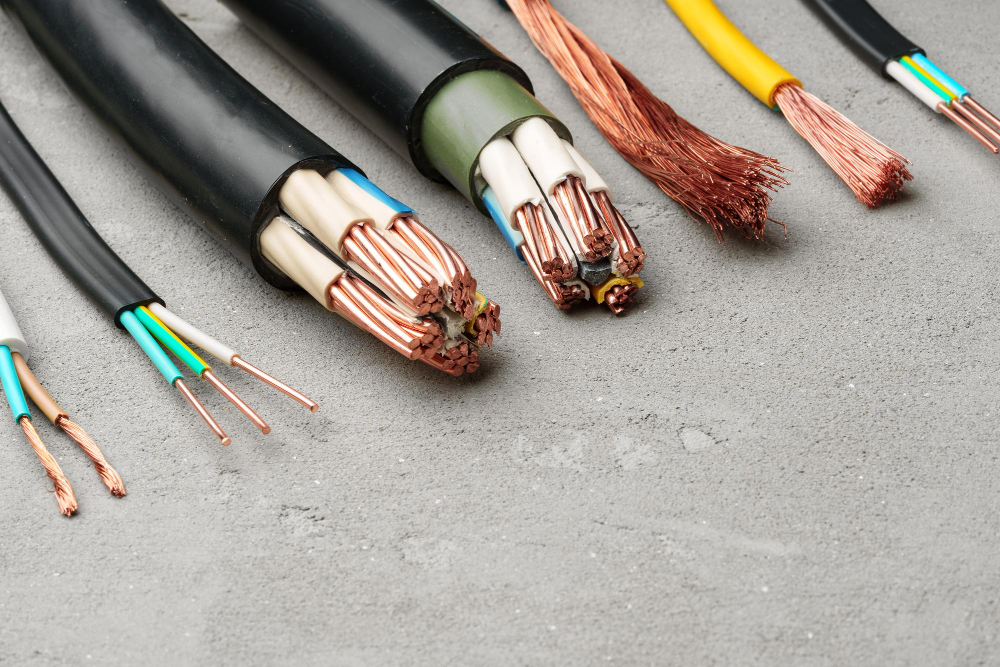
Copper wiring is the most common choice in modern homes and is known for its durability. With proper installation and no major damage, copper wiring can last 50 to 70 years or more. It resists corrosion, handles heat effectively, and remains the preferred option for residential electrical systems.
Aluminum wiring, commonly installed in homes built during the 1960s and 1970s, has a shorter and more complex lifespan. Aluminum expands and contracts more than copper when temperatures change. Over time, this movement can loosen connections and increase the risk of fire.
Older systems such as knob-and-tube wiring, found in homes built before the 1950s, were not designed for modern electrical demands. If your home still uses this type of wiring, it has likely exceeded its safe operating life. A licensed electrician should inspect it as soon as possible.
Age Alone Isn’t the Only Factor
Age is important, but it does not tell the whole story. Many homeowners assume their wiring is fine if it has not reached a certain age, but several other factors can shorten its lifespan significantly.
Heat is one of the biggest contributors to wear. Wiring located near heat-producing appliances or in poorly ventilated areas experiences more stress. Over time, this exposure causes insulation to degrade faster.
Moisture also plays a major role. Wiring exposed to leaks, flooding, or constant humidity can deteriorate earlier than expected. Insulation may become brittle, crack, or develop mold, all of which increase the risk of electrical faults.
Pests create another hidden risk. Rodents often chew through insulation, leaving wires exposed. This creates serious safety hazards, including fire and electrical shock risks.
What Happens When Wiring Gets Too Old
As wiring ages, the insulation surrounding it begins to break down. This insulation is critical because it keeps electrical current contained and prevents contact with other materials. Once it deteriorates, the risk of short circuits and electrical fires increases.
Older wiring also tends to develop loose connections at outlets, switches, and junction boxes. These loose points generate heat over time. Heat buildup inside walls or ceilings is one of the leading causes of residential electrical fires. The challenge is that this damage is often hidden and not visible without a professional inspection.
Outdated wiring also struggles to keep up with modern electrical demand. Homes today use far more devices and appliances than in the past, which places additional strain on older systems that were not designed for that level of use.
Why You Shouldn’t Wait to Address Wiring Concerns
One of the most common mistakes homeowners make is putting off an electrical inspection because everything seems to be working fine. The reality is that electrical problems rarely announce themselves dramatically before becoming dangerous.
A wiring issue that goes unchecked does not stay the same. It gradually worsens over time. When it finally becomes noticeable, it often requires more extensive repairs or creates a safety risk.
There is also a financial advantage to acting early. Addressing a wiring issue before it spreads or causes damage to other components is almost always less expensive than handling a major failure or fire-related damage.
An inspection is a relatively small investment compared to the cost of rewiring large sections of a home or repairing fire damage. If you find yourself asking, “How long does electrical wiring last?” it may be time to schedule a professional evaluation and get a clear answer for your specific system.
How Air Pro Heating Air and Electric Can Help
At Air Pro Heating Air and Electric, we understand that electrical concerns can feel uncertain, especially when the condition of your wiring is not clear. Our licensed electricians are here to take that uncertainty off your plate.
Give us a call or book your service online today — your home’s safety is always worth taking seriously.
FAQs
Most modern copper wiring lasts between 50 and 70 years under normal conditions. Older systems, including aluminum and knob-and-tube wiring, often have shorter or less predictable lifespans. A professional inspection helps determine the current condition and safety of your wiring.
Frequent breaker trips, flickering lights, warm or discolored outlets, burning smells, and buzzing sounds near the electrical panel all signal potential wiring issues. Any of these signs should be checked by a licensed electrician as soon as possible.
Some situations only require targeted repairs, such as replacing a damaged section or tightening connections. In older homes with widespread deterioration or outdated materials, a full rewiring may be the safer and more cost-effective long-term solution. A licensed electrician can evaluate your system and recommend the best approach.