









Author Archives: Air Pro

Indoor Air Quality Checklist For A Healthier Home

indoor-air-quality-checklist-for-a-healthier-home

Take control of the air inside your home and breathe with greater comfort. Following an indoor air quality checklist helps uncover hidden issues and guides you toward a healthier living space. Many homes contain pollutants such as dust, mold spores, pet dander, and chemical fumes that quietly affect daily comfort and overall wellness. 

Homeowners in Fayetteville and nearby communities can strengthen indoor air conditions with help from Air Pro Heating Air and Electric. From routine HVAC maintenance to advanced air filtration upgrades, these services reduce airborne contaminants and promote cleaner, safer living areas for your household.

Using this checklist, you can take practical steps to improve indoor air quality in Fayetteville, NC and maintain a comfortable home.

Inspect and Replace Air Filters

Start with your HVAC air filters. Dirty or clogged filters restrict airflow and permit dust, pollen, and other particles to circulate through your home. Replacing or cleaning filters on a regular schedule keeps air moving properly and reduces airborne irritants. Ignoring this simple task can weaken indoor air conditions and place extra strain on your HVAC system, leading to higher energy bills and premature wear on components.

High-efficiency filters capture smaller particles that standard filters may miss, including fine dust, pet dander, and mold spores. Homes with pets, children, or allergy concerns often benefit from filters designed to trap microscopic debris. 

A filter may appear clean while still limiting airflow, so monthly checks are wise. Consistent filter maintenance prevents buildup, keeps your system running efficiently, and strengthens your indoor air quality checklist routine throughout the year.

Evaluate Ventilation Throughout Your Home

Healthy airflow plays a major role in indoor air conditions. Homes that are tightly sealed can trap moisture, odors, and suspended particles. Opening windows during mild weather or using exhaust fans in kitchens and bathrooms improves circulation and removes lingering contaminants.

Mechanical ventilation systems can introduce fresh outdoor air without sacrificing energy efficiency. A home that feels stale or holds odors despite regular cleaning may require better airflow. Balanced ventilation reduces pollutant concentration and noticeably improves comfort levels. 

Monitor and Adjust Humidity Levels

Humidity influences both physical comfort and respiratory health. Air that is too dry can irritate skin and airways, while excessive moisture encourages mold growth and dust mite activity.

Using a hygrometer helps track indoor moisture levels accurately. Maintaining humidity between 30 and 50 percent promotes a balanced and healthier atmosphere. Whole-home humidifiers or dehumidifiers help regulate moisture and reduce the likelihood of mold development. Managing humidity remains an important part of any indoor air quality checklist.

Reduce Sources of Contaminants

What you bring into your home affects the air you breathe. Cleaning chemicals, paints, tobacco smoke, and certain building materials release pollutants. Dust accumulation on surfaces, carpets, and upholstery also contributes to poor air quality.

Using low-VOC cleaning products and paints reduces chemical exposure. Regular vacuuming with a HEPA filter and washing bedding and upholstery removes allergens. 

Maintain Your HVAC System

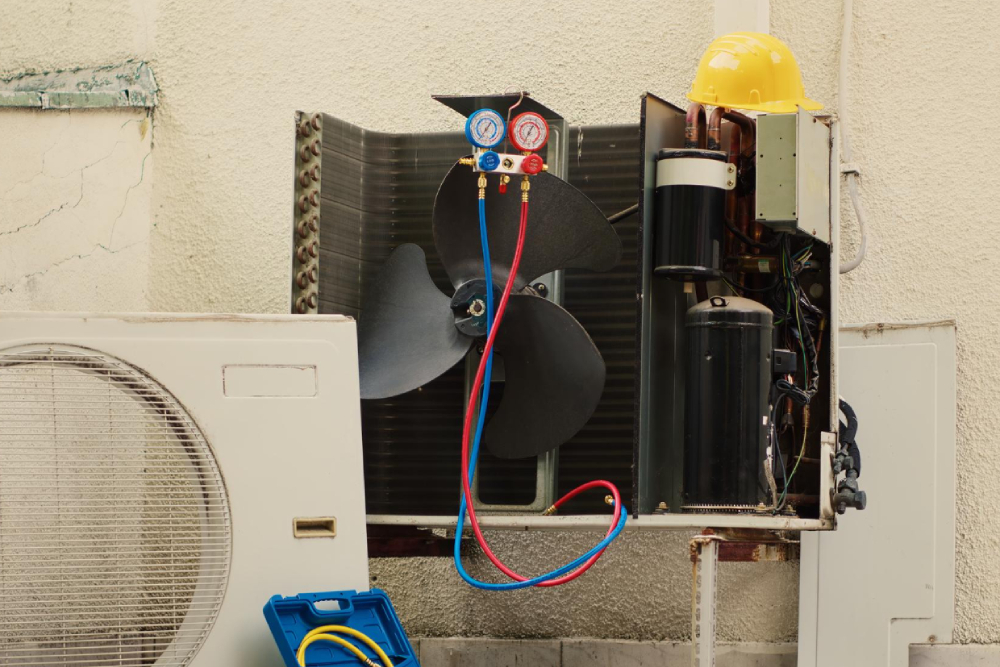
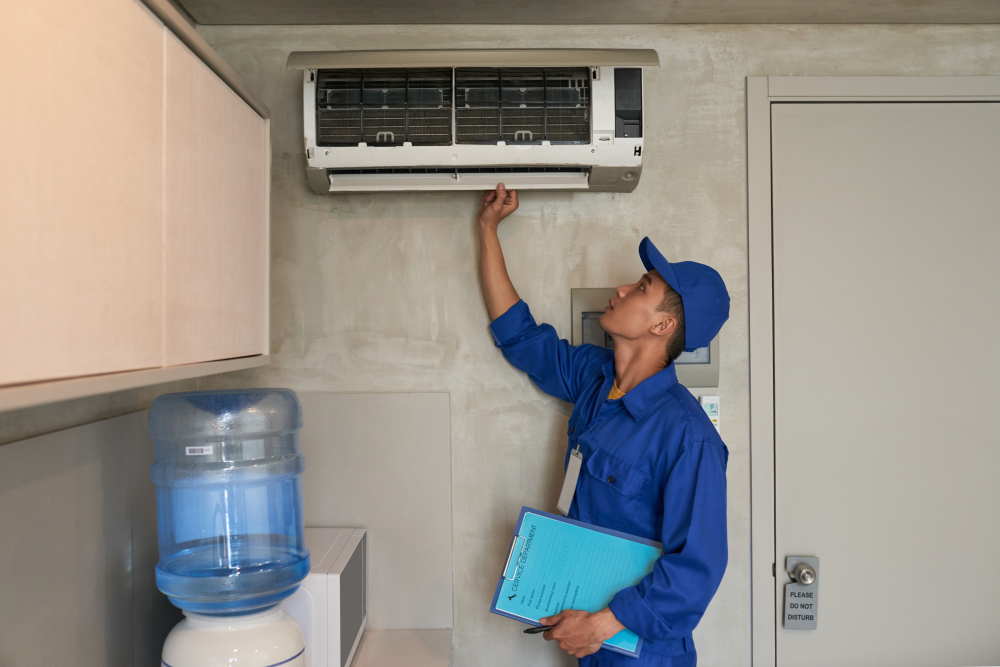
Your heating and cooling system plays a central role in air quality. Regular professional maintenance keeps dust, mold, and bacteria from circulating through your home. Ductwork should be inspected for leaks or buildup, and components like coils and blowers should be cleaned when necessary. Technicians should also check drain lines and inspect electrical connections to confirm the system operates safely and efficiently.

Scheduling regular HVAC tune-ups maintains airflow and temperature control while reducing contaminants. A clean, well-maintained system can remove particles from the air more effectively. This improves comfort and creates a healthier indoor environment. Routine service also helps extend equipment lifespan and reduce unexpected repair costs over time.

Consider Adding Air Purification

For homes with allergies, pets, or specific air quality concerns, air purification can make a significant difference. Systems can range from standalone HEPA filters to whole-home units integrated with your HVAC system.

Air purifiers remove fine particles, reduce odors, and can even target bacteria and viruses. While basic cleaning and maintenance help, a properly installed air purification system adds another layer of protection. This can be especially helpful for families with asthma or sensitive respiratory systems.

Maintaining clean air in your home takes attention and ongoing care. Following a comprehensive indoor air quality checklist helps you identify and address problems before they affect your health or comfort. Small actions like replacing filters, monitoring humidity, improving ventilation, and maintaining HVAC equipment can have a noticeable impact on the air you breathe.

Breathe easier today and take control of your home’s air. With Air Pro Heating Air and Electric, you can upgrade your HVAC and indoor air quality systems to reduce airborne contaminants, improve airflow, and enjoy cleaner, healthier air every day for your family.

How To Buy A New HVAC System For Your Home

A new cooling and heating system can completely change how your home feels during the hottest and coldest months of the year. Many homeowners wait until the old unit breaks down before thinking about a replacement. That last-minute decision often leads to higher costs or disappointing performance over time. 

Learning how to buy a new HVAC system helps you make a confident and informed choice for long-term comfort. Careful preparation protects your budget and keeps indoor air fresh and healthy.

Air Pro Heating Air and Electric fixes comfort issues with speed and skill. We serve the local area as a licensed HVAC contractor in Fayetteville, NC, with a focus on quality. Our team brings years of hands-on field knowledge to every project. An experienced installer can spot airflow issues or duct problems that might reduce the performance of a brand-new unit.

Assess Your Home Heating and Cooling Needs

Every home has rooms that stay warmer or cooler than others throughout the year. Insulation levels and window placement directly affect how hard a system must work. High ceilings and drafty entry points also increase the workload during extreme weather. 

Reviewing these conditions is a key step in understanding how to buy a new HVAC system that truly fits your space. Matching equipment to the structure prevents avoidable strain and early wear. A detailed evaluation helps identify hidden airflow challenges before selecting the right unit.

Understand HVAC System Types and Configurations

Split systems separate outdoor and indoor components for balanced performance and quieter operation. Packaged units house all components in a single cabinet placed outside the home. Heat pumps handle both cooling and heating through one energy-efficient system. 

Ductless mini-splits work well in homes without traditional ductwork. Each option serves different layouts and climate conditions. 

Compare Energy Efficiency Ratings and Standards

Efficiency ratings reveal how much energy a unit uses to cool or heat your home. Higher SEER2 numbers indicate improved cooling efficiency during peak summer months. SEER refers to Seasonal Energy Efficiency Ratio, and stronger ratings translate into lower monthly utility costs. 

Heating systems use HSPF2 or AFUE ratings to measure fuel-to-heat performance. Choosing higher efficiency equipment may cost more upfront, but often reduces expenses year after year. 

Determine Proper HVAC System Size Requirements

Bigger machines are not always better because they turn on and off too fast for the house. This short cycling leaves the air feeling damp and wears out the motor long before its time. A small unit will run forever without ever reaching the set temperature on a very hot afternoon. 

Professionals use a Manual J calculation to find the exact BTU capacity needed for the specific square footage. This math accounts for the sun exposure and the height of the walls to find the perfect fit. 

Review Installation Requirements and Home Modifications

Newer equipment often requires bigger pipes or different electrical wires to run at peak performance levels. Old ducts might leak air into the attic, which wastes money and makes the new machine work harder. Sometimes a technician must move the outdoor pad to meet modern building codes or to reduce noise. Checking the electrical panel helps verify that the house can handle the power needs of a modern cooling unit. 

Evaluate Total Cost of Ownership Factors

The price on the tag is only one part of the total money spent over time. Maintenance costs and repair parts vary between different brands and models found on the market today. 

Some units have cheaper filters, while others require expensive specialty parts that are hard to find locally. High-efficiency models cost more upfront, but they drop the monthly utility bills by a very large amount. Weighing the initial purchase price against the expected yearly energy spend helps find the most affordable long-term path. 

Research Available Rebates and Financing Options

Local utility companies often pay homeowners to switch to high-efficiency heat pumps or air conditioners. Federal tax credits also lower the total price for those who pick equipment that meets specific green standards. Many manufacturers offer special deals during the spring or fall when the demand for service is lower. 

Financing plans allow for monthly payments that fit into a tight budget without requiring a huge cash pile. These programs make top-tier comfort much easier to afford for any household looking to upgrade their old mechanical gear. 

Select Reliable HVAC Brands and Models

Some manufacturers have a long history of building parts that last for twenty years without any major breaks. Reading reviews from other people in the same climate helps identify which brands handle high humidity or extreme heat. 

Popular brands usually have plenty of replacement parts sitting in local warehouses for fast repairs when things go wrong. Choosing a well-known name often means the technology has been tested in thousands of homes across the entire country. 

Quality components inside the machine lead to fewer noisy nights and lower stress during the middle of a heatwave. 

Check Warranty Coverage and Service Agreements

Warranty protection shields your budget from unexpected part failures. Many manufacturers include ten-year coverage when the system is registered shortly after installation. Labor warranties are separate and cover technician service costs. Some agreements include annual maintenance visits to keep performance levels high. Reading all warranty details clarifies coverage limits and potential additional charges.

Choose a Licensed HVAC Installation Contractor

The quality of the setup matters just as much as the brand of the machine sitting outside. Poorly connected wires or loose pipes cause the most expensive problems seen in residential heating and cooling systems. A qualified team follows every local code and uses the right tools to seal the air ducts tightly. 

Checking for a valid state license and insurance protects the home from accidents or sloppy work during the project. Verified reviews show how a company treats its neighbors and how they handle issues after the job is done. 

Schedule In-Home Evaluation and Load Calculation

A pro must walk through the house to see the layout before giving a final price for work. They look at the windows and the attic insulation to see how the house holds onto the cold air. Measuring the rooms allows the team to build a custom plan that fits the specific needs of the building. 

This visit is the best time to ask questions about noise levels or air filtration for the family. Receiving a written estimate keeps the project on track and prevents any surprises when the final bill arrives. 

Plan Maintenance and Long-Term System Performance

Keeping the filters clean is the easiest way to make a machine last for a long time. Dirt blocks the air and forces the motor to spin faster, which creates heat and breaks the metal parts. 

Scheduling a checkup twice a year keeps the coils clean and the refrigerant levels exactly where they need to be. Small fixes found during a routine visit prevent large breaks that happen during the peak of winter. Consistent care maintains the efficiency levels, so the power bill stays low for the life of the unit. 

Call Air Pro Heating Air And Electric For Help Today!

We deliver total comfort and power with our expert 24/7 emergency service for local residents who need help fast. Our team handles every detail of your home HVAC replacement in Fayetteville, NC to make sure the process stays easy for you. 

Being veteran-owned HVAC installation contractors, we take pride in our 2,300 five-star reviews and top community awards. We provide upfront pricing and flexible financing so you can get the best system without any financial stress or worry. Air Pro Heating Air and Electric uses licensed technicians for both electrical and cooling work to keep your home running perfectly.

How Much Does New Home HVAC Installation Cost In Fayetteville, NC?

how-much-does-new-home-hvac-installation-cost-in-fayetteville-nc

Planning a new home or upgrading your heating and cooling equipment often begins with one major question, how much will it cost? Knowing the new home HVAC installation cost helps you build a realistic budget and choose the right balance between comfort and energy efficiency. 

Pricing depends on system size, equipment type, and added features, yet knowing what drives the total investment reduces unexpected expenses. A professional evaluation also highlights how upfront costs compare to long-term performance and savings.

Evaluating Your Home Size and Heating and Cooling Requirements

The first factor in determining the new home HVAC installation cost is the size and layout of your home. Larger homes typically require more powerful systems, additional ductwork, or zoning to maintain even temperatures. Even two homes of the same square footage can have different needs depending on insulation, ceiling height, and window quality.

A detailed evaluation allows technicians to select a system that works efficiently without overworking or underperforming. Homes with multiple stories or open floor plans often need more complex installations, which naturally affects labor and materials. 

Understanding your home’s requirements is a standard practice among a trusted heating company in Fayetteville, NC, and helps avoid problems that could affect comfort and energy costs in the long run.

Choosing the Right HVAC System for Your Home

System selection plays a major role in determining overall installation pricing. Homeowners can choose from traditional furnaces paired with central air conditioners, heat pumps, or high-efficiency systems that use variable-speed technology. 

High-efficiency equipment generally costs more initially but can reduce energy use over time. Heat pumps may provide both heating and cooling in a single unit, simplifying installation. Your contractor can help explain the benefits of each option, so you understand which system brings the best comfort and value. 

Scheduling AC installation in Fayetteville, NC requires matching the system to your home’s size, design, and local climate for maximum efficiency and comfort.

Preparing Your Home for HVAC Installation

Preparation is an essential part of the process. Work areas must be cleared, floors and furnishings protected, and existing ductwork or electrical systems may need updates. Careful preparation helps technicians complete the installation efficiently and protects your home during the project.

Planning also includes thermostat placement, vent positioning, and optional indoor air quality additions such as humidifiers or air purification devices. Addressing these details in advance keeps the installation moving forward without unnecessary interruptions. Organized preparation contributes to a smoother workflow and better final results.

Removing the Old System Safely

If you are replacing an existing system, removal is an important step. Technicians disconnect electrical connections, refrigerant lines, and ductwork carefully before removing the old equipment. Proper handling prevents damage to your home and prepares the space for the new system.

Qualified professionals also manage refrigerant recovery and disposal in accordance with environmental guidelines. Removing outdated components correctly reduces disruption and creates a clean foundation for the upgraded system. 

Installing the New HVAC System with Accuracy

Once the space is ready, the installation of the new system begins. Indoor and outdoor units are positioned, electrical and refrigerant connections are made, and ductwork is integrated or modified as needed. Proper alignment, sealing, and connections affect performance, efficiency, and longevity.

The installation process demands precision. Small mistakes can reduce energy efficiency or lead to future repairs. Professional technicians follow manufacturer specifications and local building codes closely. Every step is completed to make sure your system operates smoothly from the moment it is turned on.

Testing, Balancing, and Calibrating Your System

After installation, technicians perform thorough testing and calibration. Airflow, temperature output, and electrical components are checked to verify correct operation. Zones in the home are balanced to provide even heating and cooling.

Calibration also ensures the thermostat communicates accurately with the system. Proper testing maximizes comfort and efficiency and reduces unnecessary energy consumption. Completing this phase carefully protects your investment and helps your new system perform as expected throughout hot summers and cold winter months.

Guidance for Homeowners and Maintaining Your System

The final step is a walkthrough with the homeowner. Technicians explain how to operate your new system, adjust thermostats, and maintain filters or other components. 

Upgrade your home’s comfort and efficiency now by scheduling your HVAC installation with our expert team. We handle every stage, from evaluating your home and selecting the right equipment to precise installation and thorough system testing. 

With reliable heating and cooling solutions that optimize energy use, maintain even temperatures, and improve indoor air quality, your family can enjoy year-round comfort and peace of mind, all backed by the trusted service of Air Pro Heating Air and Electric.

How Much Does An Electrician Cost In Fayetteville, NC?

Home electrical systems require expert care to keep everything running safely and without any sudden power failures. Knowing “How much does an electrician cost?” helps with planning for small repairs or major upgrades to the wiring. Local rates change based on the job size and the specific parts required for the project. Proper planning prevents surprises when the bill arrives after the technician finishes the work.

Air Pro Heating Air and Electric offers reliable electrical services in Fayetteville, NC, for every home’s power needs. Our team brings years of experience to every single service call. We take pride in our high ratings and our fast response times for all. 

Let us handle your next project with the care and skill that only our dedicated staff provides.

Average Hourly Rates for Fayetteville Electrical Professionals

Standard rates for labor usually fall between seventy-five and one hundred twenty-five dollars for each hour of work. This price covers the time spent on-site and the travel costs for the service vehicle and specialized tools. Some smaller jobs take less than an hour but still require a minimum service fee for the visit. 

Clear communication about these base prices helps set realistic expectations for any basic maintenance or troubleshooting task. A master wireman brings specialized skills to the job to keep the home system functioning at peak performance levels. 

Common Emergency Electrical Repair Fees in North Carolina

Emergency calls during the night or on weekends often carry a higher price tag than regular business hours. Most companies charge a flat trip fee plus an increased hourly rate for these urgent after-hours service requests. These situations often involve blown fuses, sparking outlets, or a complete loss of power to the entire house. 

Fast action prevents further damage to the system and restores safety to the property in a very short time. A skilled repair technician diagnoses these urgent issues quickly to prevent any potential fire hazards from spreading. 

Cost Factors for Local Residential Wiring Upgrade Projects

Several factors influence the total price of a wiring project, including the age of the house and the material. These variables determine how long the work takes and what type of new copper or aluminum wires are needed.

  • Home Size: Larger houses require more physical materials and more labor hours to run wires through all the walls.
  • Wall Material: Cutting into drywall is much easier and cheaper than drilling through old plaster or thick brick sections.
  • Access Points: Crawl spaces and attics that provide easy access for the crew will lower the total labor hours.
  • Permit Fees: Local government offices require specific fees for inspections to verify that the new wiring meets city codes.

Pricing for New Circuit Breaker Panel Installation Services

Replacing an old breaker panel costs between one thousand and three thousand dollars, depending on the total amperage needed. Modern homes often require two hundred amps to support large appliances, air conditioners, and modern kitchen tech gadgets. 

This job involves removing the old box and connecting every circuit to a new, much safer distribution system. Upgrading the panel allows for more circuits and reduces the risk of tripped breakers during heavy power use. 

Estimates for Installing Interior Lighting Fixtures and Fans

Installing a basic ceiling fan or a new light fixture typically costs between one hundred fifty and four hundred dollars. The price increases if the ceiling requires a new support box or if the technician must run new wires. Simple swaps of existing lights are fast, but adding recessed lighting across a large room takes much more effort. 

Proper mounting prevents wobbling fans and ensures the weight of the light stays secured to the ceiling joists. A lighting technician knows how to position fixtures for the best glow and the safest operation in every room. 

Differences in Commercial Versus Residential Electrical Service Costs

Commercial work involves heavy conduits and higher voltage systems that require different parts than a standard family home. These projects often take place in large warehouses or retail spaces where the wiring must stay visible and protected. 

Labor rates for commercial tasks are generally higher because the work demands more specialized training and much larger crews. Industrial materials cost more because they must withstand constant use and much higher levels of heat and electricity. 

Comparing Flat Rate Versus Hourly Electrical Project Pricing

Flat rate pricing gives a total price upfront for a specific task, regardless of how many hours it takes. Hourly billing charges for the exact time spent on the job, which can fluctuate if the technician finds hidden problems. 

Most people prefer the certainty of a flat rate for common jobs like outlet repairs or simple light swaps. Hourly rates work better for complex troubleshooting where the cause of the problem remains unknown at the start. 

Ways to Save Money on Large Electrical Renovations

Planning ahead and grouping several small tasks into one single visit reduces the total travel fees for the project. Clear communication about the project goals helps the crew work faster and avoid any wasted time or materials.

  • Clear Access: Moving furniture away from outlets and clearing out work areas saves the crew from doing it.
  • Bulk Materials: Buying fixtures or fans in bulk during sales can lower the total cost of the renovation.
  • Off-Peak Times: Scheduling non-emergency work during slower seasons might lead to better rates or faster start dates.
  • Group Repairs: Fixing every dead outlet in one visit is cheaper than calling for each one separately.

Tips for Getting Accurate Electrical Service Cost Estimates

Getting a detailed estimate involves a physical walk-through of the property to see the current state of the wires. This process identifies potential issues before the work begins, so the quote stays as accurate as it possibly can.

  • Written Quotes: Always ask for a written document that lists the parts and the labor as separate items.
  • License Check: Verify that the company holds the proper state licenses to perform legal work in the area.
  • Project Scope: Define exactly what work needs completion to avoid adding extra tasks after the contract is signed.
  • Timeline: Ask for a start and end date to ensure the project fits into the current household schedule.

Contact Air Pro Heating Air and Electric Today for Help

Call Air Pro Heating Air and Electric for fast help with your local power needs. We offer 24/7 emergency service and expert technicians with top reviews to keep your home running smoothly. Our team brings veteran-owned pride to every job in the Fayetteville area. 

We hold North Carolina Electrical Contractor License #U37137 and have over 2,300 five-star Google reviews. A professional electrician will arrive on time to fix any issue quickly. As a licensed electrical contractor in Fayetteville, we provide upfront pricing and flexible financing for all your upgrades. 

We deliver complete comfort and power solutions under one roof with our combined HVAC and electrical expertise. Experience comfort and power like never before by booking your appointment with us right now.

Electrician Vs. HVAC: Who To Call For Your Home Issue

electrician-vs-hvac-who-to-call-for-your-home-issue

When something stops working in your home, the first question is usually who to contact. If your air conditioner refuses to start or your breaker keeps tripping, you might search electrician vs. HVAC and wonder which professional is responsible for the issue. 

The confusion makes sense because modern heating and cooling systems depend heavily on electricity. Symptoms often overlap, and hiring the wrong service provider can slow down the repair process.

What an HVAC Technician Handles in Your Home

An HVAC technician focuses on heating, ventilation, and air conditioning systems. These professionals service air conditioners, furnaces, heat pumps, ductwork, thermostats, and indoor air quality equipment. If your home is not heating or cooling properly, this is generally the right starting point.

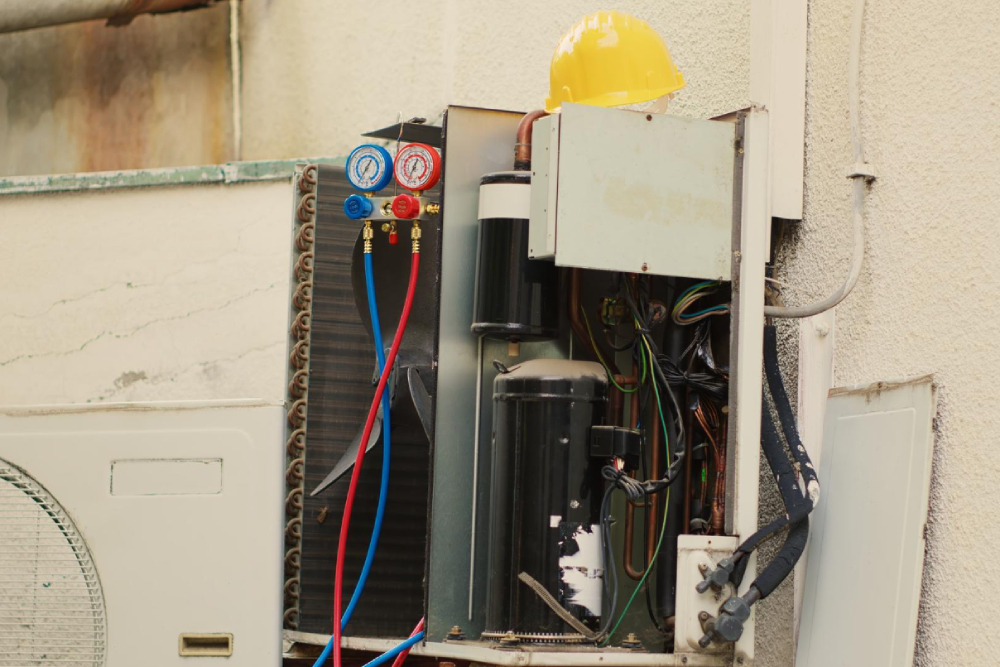
When your AC blows warm air during a humid summer afternoon in Fayetteville, the problem may involve low refrigerant, a failing compressor, or restricted airflow. If your furnace struggles during a winter cold snap, ignition components or internal mechanical parts could be responsible. These systems contain specialized parts that require focused training and dedicated tools.

If you are researching AC services in Fayetteville, NC, you are likely dealing with performance problems that fall under HVAC expertise. Weak airflow, uneven cooling, strange noises from the outdoor unit, or rising indoor humidity often point to heating and cooling equipment rather than general wiring.

HVAC technicians also complete full system installations and replacements. When equipment reaches the end of its service life, they assess your home’s layout, insulation, and comfort goals before recommending updated equipment. Their attention centers on airflow, temperature regulation, and energy efficiency within the heating and cooling system itself.

What an Electrician Handles in Your Home

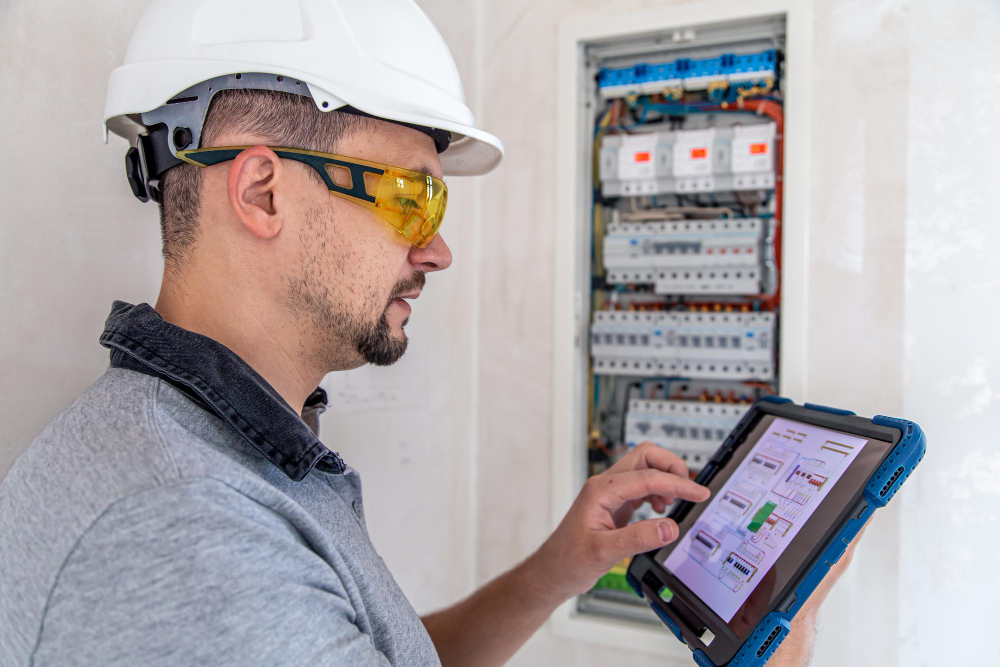
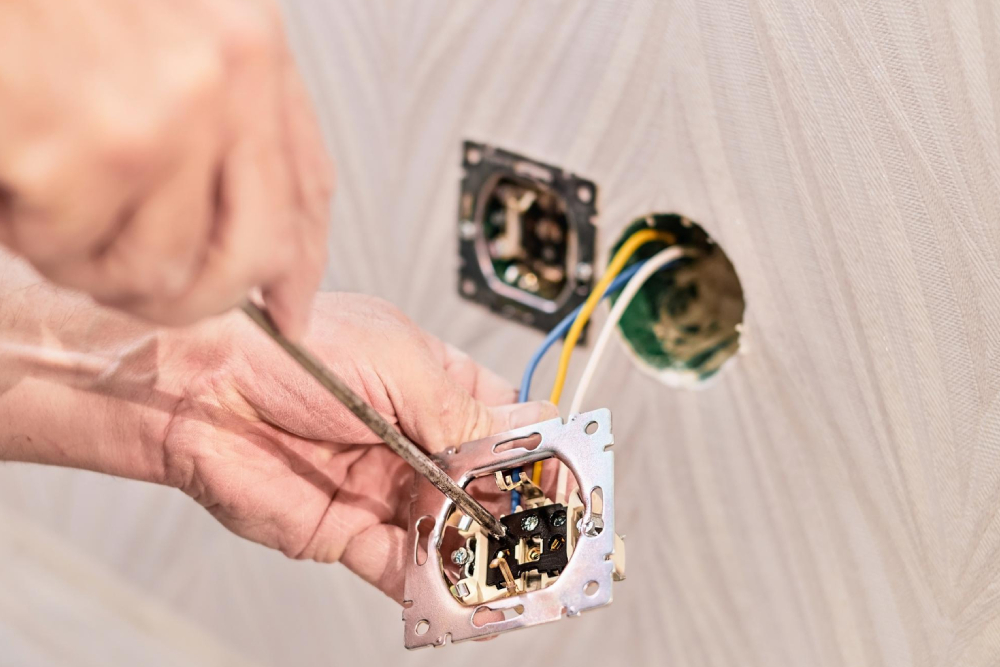
An electrician works with your home’s electrical system. This includes breaker panels, wiring, outlets, switches, lighting fixtures, and backup power systems. If the concern relates to power distribution instead of heating or cooling performance, an electrician may be the better fit.

Flickering lights, warm outlets, buzzing from the electrical panel, or frequent breaker trips often signal load or wiring problems. These issues might not involve your HVAC system at all. Aging wiring or an outdated panel may struggle to handle modern energy demands.

Homeowners often call for electrical services in Fayetteville, NC when adding new appliances, installing generators, or upgrading outdated panels. 

Why the Confusion Happens

The boundary between an electrician and an HVAC technician becomes unclear because heating and cooling systems rely on electrical components. Air conditioners contain capacitors and contactors. Furnaces use control boards and ignition systems powered by electricity. When one of these parts fails, the symptoms can resemble a wiring issue. 

If your AC will not power on, the cause could be a tripped breaker. It could also involve a failed internal component inside the unit. A homeowner standing in a warm living room cannot easily identify the difference. This overlap explains why many people debate electrician vs. HVAC before scheduling service. 

Identifying whether the problem is limited to the comfort system or affects multiple areas of the home is critical. If lights and outlets work normally, the trouble often remains within the HVAC equipment. If several electrical devices act unpredictably, the broader power system may be involved. 

Signs the Problem Is Likely HVAC Related

When your system runs but fails to heat or cool effectively, the issue usually falls under HVAC service. Uneven temperatures between rooms, weak airflow, or a thermostat that does not respond correctly often point to heating and cooling equipment. 

Unusual noises from the outdoor unit or furnace cabinet suggest mechanical wear. Grinding, rattling, or squealing sounds typically indicate worn internal components. Electricians do not usually handle these mechanical concerns. 

If you describe your concerns to a heating company in Fayetteville, NC, they will focus first on airflow, refrigerant levels, system pressure, and internal electrical components specific to the unit. Their training centers on how each part of the heating and cooling system works together to regulate indoor comfort.

Signs the Problem May Be Electrical

In some situations, your HVAC equipment reacts to unstable power. If the breaker trips repeatedly when the AC starts, the circuit could be overloaded. If the lights dim when the system cycles on, your panel may struggle to deliver consistent current. 

Electrical odors near outlets or a warm breaker panel door signal the need for immediate inspection. These warnings move beyond comfort issues and into safety concerns. An electrician will examine wiring connections, panel capacity, and circuit stability. 

Adding large appliances or upgrading to a higher-capacity system can strain an older electrical panel. In that case, contacting an electrician first may prevent repeated shutdowns and potential equipment damage. Evaluating an electrician vs. HVAC carefully can save time and prevent unnecessary service calls. 

The Benefit of Choosing a Company That Offers Both

Many homeowners find it practical to work with a contractor experienced in both trades. When one company has expertise in HVAC and electrical systems, diagnosis becomes more straightforward. You avoid guessing which professional to schedule or paying for two separate visits. 

A qualified technician can assess the issue from both perspectives. They determine whether the malfunction lies inside the HVAC equipment or within the larger electrical network. This approach limits delays and clarifies the repair path. Deciding between electrician vs. HVAC becomes far simpler when both skill sets are available under one roof. 

Making the Right Decision for Your Home

When something stops working, take a moment to observe the pattern. Ask yourself whether the issue is isolated to heating and cooling or if it affects multiple electrical components. Notice whether other appliances behave normally. Pay attention to breaker activity and lighting stability.

Call today to restore comfort and power in your home with trusted local experts. In the middle of every repair and installation, Air Pro Heating Air and Electric delivers heating, cooling, and electrical solutions that keep your home running smoothly all year. We identify the source of the problem and provide services that bring back dependable comfort and consistent power in every season.

AC Services Guide: What It Includes and Why It Matters

Fresh air fills a room when a cooling system operates at peak performance. That level of performance comes from regular AC services that keep every internal component in proper condition. 

A well-maintained unit lowers monthly energy costs while holding the indoor temperature steady and comfortable. Clean parts reduce the risk of sudden breakdowns during the hottest months of the year. Dependable cooling improves daily comfort and overall quality of life inside the home.

Air Pro Heating Air and Electric provides the best cooling care in the region. We work as a licensed HVAC contractor in Fayetteville, NC, to fix any system issue fast. Our team keeps your home comfortable and safe always.

What Specific Tasks a Professional AC Maintenance Includes

Comprehensive inspections help a cooling system operate without strange noises or unexpected shutdowns. Each component receives close attention so hidden wear can be addressed before a major failure develops. Routine AC services focus on performance, safety, and long-term reliability.

  • Coil Cleaning: Dirt restricts heat transfer and forces the motor to work harder than necessary. Technicians clean the metal fins carefully to restore proper airflow and cooling capacity. This step reduces strain on the compressor and helps control repair expenses. A clean coil transfers heat out of the home efficiently day after day.
  • Electrical Checks: Loose wiring or failing capacitors can lead to fire hazards or complete system failure. Every connection is tested to confirm voltage levels remain within safe operating limits. This inspection shields the motor from burnout during intense summer heat. Stable wiring also protects sensitive control boards inside the outdoor unit.
  • Drain Flushing: Algae and debris often clog the drain lines that carry condensation away from the indoor unit. Clearing these lines prevents water damage to the flooring and nearby drywall. Removing buildup also reduces the risk of mold growth in damp areas of the system. Proper drainage keeps humidity balanced so indoor air feels fresh and clean.
  • Refrigerant Levels: Low refrigerant reduces the system’s ability to absorb heat from indoor air. Pressure readings help determine if a leak exists within the copper lines. Correct levels keep the vent air cold even during humid weather. Accurate charging also prevents the evaporator coil from freezing into solid ice.

Benefits of Scheduling Spring Tune-Ups Every Year

Yearly maintenance prepares cooling equipment for the heavy demands of summer. Early inspections uncover weak components that might fail once outdoor temperatures climb past ninety degrees.

  • System Longevity: Routine care extends equipment life by reducing friction and excessive heat. Moving parts stay clean and properly lubricated to prevent wear. This approach reduces the chance of replacing the central unit too soon. A well-maintained system can deliver reliable cooling for more than a decade without losing strength.
  • Energy Efficiency: Clean equipment consumes less electricity to cool the same space. Improved efficiency slows the utility meter even when sunlight heats the roof. Lower monthly bills often offset the cost of seasonal maintenance within a short period. The system reaches the desired temperature quickly and cycles off to conserve power.
  • Better Comfort: Steady airflow keeps each room aligned with the thermostat setting. A tuned unit removes moisture effectively, so indoor air feels lighter and less sticky. Balanced humidity transforms the home into a comfortable retreat from outdoor heat. Reliable cooling improves sleep quality and daily productivity.
  • Warranty Safety: Many manufacturers require documented annual maintenance to keep warranty coverage valid. Skipping service may void protection on costly parts such as the compressor or evaporator coil. Service records safeguard the financial investment in the system. Documentation confirms the equipment received professional attention from a qualified technician.

When to Replace Your Old Central Air Unit

Systems older than fifteen years often cost more to repair than they justify. Repairs approaching half the price of a new unit usually signal that replacement is the wiser choice. Modern models use updated refrigerants that are more environmentally responsible and more affordable. 

Repeated breakdowns indicate internal components have reached the end of their service life. A new installation brings updated technology and a fresh warranty to the entire household.

Steps for Improving Indoor Air Quality this Summer

  • UV Lights: Installing ultraviolet lamps inside the air handler kills mold spores and bacteria on the coils. These lights break down the DNA of germs so they cannot grow or spread through the vents. This technology keeps the air smelling fresh and prevents the “dirty sock” odor common in many systems. 
  • High MERV Filters: Better filters trap tiny particles like pollen, pet dander, and fine dust from the air stream. These thick pleated materials catch much more debris than the cheap fiberglass versions found in most stores. Removing these irritants helps the air feel lighter and much cleaner to breathe.
  • Humidity Control: Keeping the moisture level below fifty percent stops the growth of dust mites and mildew. A dry home feels cooler at a higher temperature, which saves money on the monthly electric bill. Whole-home dehumidifiers work with the AC to pull gallons of water out of the air every day. This balance prevents the sticky feeling that makes summer days so uncomfortable and tiring.

Choosing the Correct Size Units for Your Home Layout

A cooling unit that is too large will turn off before it removes the humidity. A system that is too small will run forever and never get the house cold enough.

  • Load Calculation: Professionals measure the windows, walls, and insulation levels to find the perfect cooling capacity. This math prevents the purchase of a machine that is a poor match for the space. Correct sizing leads to a longer life for the compressor and much lower energy bills. It takes the guesswork out of a major home improvement project for the owner.
  • Square Footage: The total area of the house determines how much air the blower motor must move. Rooms with high ceilings or many windows need more power to stay cool during the afternoon sun. Technicians look at the floor plan to see where the air might get stuck or slow down. This detail leads to a balanced system that reaches every single corner effectively.
  • Insulation Quality: Homes with thick walls and modern windows hold the cold air inside much longer. This allows for a smaller and more affordable unit that does not need to work as hard. Testing the seal of the house helps determine how much heat enters from the outside world. 

Get Expert Help from Air Pro Heating Air, and Electric Today

Heat and humidity create a lot of stress when the cooling system fails in the middle of a hot summer night. We provide reliable 24/7 emergency service to restore the power and comfort of the home quickly. Our team holds the North Carolina HVAC Contractor License #34809 and the North Carolina Electrical Contractor License #U37137 for total peace of mind. 

We value honesty and offer upfront pricing for every single job we perform. Our HVAC installation contractors handle full system replacements with extreme precision and care. We have earned over 2,300 five-star Google reviews by putting the needs of the community first every time.

Our heating cooling installers in NC also upgrade electrical panels to support the latest high-efficiency equipment. We bring combined expertise under one roof to solve all comfort and power issues at once. 

Experience comfort and power like never before with the help of Air Pro Heating Air and Electric.

7 Common Furnace Types For Residential Homes

7-common-furnace-types-for-residential-homes

If you are researching furnace types for residential properties, comfort, efficiency, and long-term value are likely at the top of your list. The heating system you select directly affects how your home feels throughout the winter and how much you pay in monthly energy costs. In Fayetteville, temperatures can drop rapidly during a cold snap, turning reliable heat into a necessity instead of a luxury.

Understanding how various furnaces operate brings clarity before committing to a purchase. Fuel type, performance style, and technology level all shape how efficiently a system heats your living space. Prior to replacing an older unit or installing new equipment, it is wise to review the most common heating options available today.

Natural Gas Furnaces

Natural gas furnaces remain one of the most frequently installed systems in residential homes. If your neighborhood connects to a gas line, this option often delivers strong and consistent warmth. The unit burns natural gas inside a sealed chamber and uses a heat exchanger to warm air that circulates through your ductwork.

Gas furnaces heat quickly, which helps when overnight temperatures drop suddenly. Many homeowners value the balance between heating performance and operating expense. In areas where gas pricing remains competitive, monthly costs stay predictable.

Maintenance plays an important role in long-term performance. Burners, ignition components, and ventilation systems need regular inspection. If you ever need gas furnace repair and replacement in Fayetteville, NC, working with trained technicians helps restore steady heat and dependable operation.

Electric Furnaces

Electric furnaces generate heat using powered heating elements rather than combustion. When electricity flows through the elements, they warm up and transfer heat to the air circulating through your ducts. Because there is no fuel burning inside the system, ventilation requirements are simpler than with gas or oil models.

Installation costs are often lower, and the units are compact. This makes them practical for smaller homes or properties without natural gas access. The absence of combustion eliminates concerns tied to fuel exhaust gases. 

Operating costs depend on local electricity rates. In some areas, electric heat can be more expensive during extended cold periods. If your system begins to struggle or fails to heat properly, you may need electric furnace repair and replacement in Fayetteville, NC, to restore comfort and efficiency.

Oil Furnaces

Oil furnaces are less common than they once were, yet some homes still rely on them. These systems burn heating oil stored in a tank located on your property. The combustion process produces heat that transfers into your duct system.

Oil furnaces can produce high heat output, which historically made them popular in colder climates. However, they require ongoing fuel deliveries and careful tank management. Running out of oil during winter can lead to sudden heating loss.

They also require regular cleaning because oil combustion can create residue inside the system. While oil models remain part of the broader conversation about furnace types for residential homes, many homeowners today explore other fuel sources when updating their systems.

Propane Furnaces

Propane furnaces operate in a similar manner to natural gas systems, but they use propane stored in an on-site tank. This makes them common in rural or suburban areas where gas lines are unavailable. Propane burns cleanly and can deliver steady, reliable heat during colder weather.

Because propane is stored on your property, you must monitor tank levels and schedule refills. The tank can be installed above or below ground, depending on your property layout. Like other combustion systems, proper ventilation and professional maintenance are necessary for safe operation.

Single-Stage Furnaces

Beyond fuel type, furnaces differ in how they operate. A single-stage furnace has one heat setting. When your thermostat calls for heat, the system runs at full capacity. Once the desired temperature is reached, it shuts off completely.

This straightforward design makes single-stage systems more affordable at installation. However, the full-power cycling can create noticeable temperature changes inside your home. You may feel warm air rush through the vents, followed by a cooling period before the next cycle begins.

Two-Stage Furnaces

A two-stage furnace adds flexibility by offering two heat output levels. On milder days, the system runs at a lower setting. During colder weather, it shifts to a higher level to maintain comfort. Most of the time, it operates at the lower stage, which helps maintain more even temperatures.

This design reduces the sharp temperature swings often felt with single-stage systems. The longer run times at lower output allow warm air to circulate more evenly throughout your home. Many homeowners notice improved comfort and quieter operation with this style.

Modulating Furnaces

Modulating furnaces represent a more advanced approach to residential heating. Instead of switching between one or two output levels, these systems adjust heat in small increments. The furnace responds closely to your home’s heating demand and maintains a steady indoor temperature.

This gradual adjustment minimizes noticeable fluctuations. The system can operate at lower capacity for longer periods, which often improves efficiency and reduces operational noise. Paired with a variable-speed blower, the airflow feels steady rather than forceful.

Modulating systems involve a greater initial investment. However, they provide refined temperature control and a smoother heating experience. For homeowners seeking enhanced comfort, this option stands out among furnace types for residential use.

Choosing the Right Furnace for Your Home

Selecting the best furnace involves more than picking a fuel type. Your home’s size, insulation quality, ductwork condition, and budget all influence the decision. In Fayetteville, winters are not extreme for long stretches, yet sudden cold spells can put strain on older equipment.

Proper sizing is key. A furnace that is too large may heat quickly and shut off repeatedly, leading to uneven temperatures. A system that is too small may struggle to keep up during colder nights. Professional evaluation helps align the equipment with your home’s heating demand.

Schedule your heating service now to keep your home comfortable all winter. We provide and maintain a full range of furnace options, tailored for reliable warmth and efficiency, with the trusted expertise of Air Pro Heating Air and Electric.