









Category Archives: Electrical Services

What You Need To Know About Electrical Inspections

what-you-need-to-know-about-electrical-inspections

Your home’s electrical system plays a critical role in keeping your family safe and comfortable every day. From powering appliances to supporting lighting and climate control, it’s something most homeowners rely on without a second thought until something goes wrong. 

Understanding the importance of an electrical inspection can help you identify potential hazards early, prevent costly electrical repairs, and ensure your home meets current safety standards.

Why Electrical Inspections Matter

Electrical systems are complex, and over time, wear and tear can lead to hidden problems. Wires can degrade, connections can loosen, and outdated components may no longer meet modern safety requirements. These issues often develop gradually and may not be immediately visible. This makes regular inspections an essential part of responsible homeownership.

A professional inspection provides peace of mind by identifying risks such as faulty wiring, overloaded circuits, or improper installations. 

Addressing these issues early can help prevent electrical fires, power outages, and damage to your appliances. More importantly, it guarantees your home remains a safe environment for you and your family.

Common Signs You May Need an Inspection

While routine inspections are recommended, there are also warning signs that should never be ignored. Flickering lights, frequently tripped breakers, or outlets that feel warm to the touch can indicate underlying electrical issues. You might also notice a burning smell, buzzing sounds, or inconsistent power in certain areas of your home.

Older homes, especially those built decades ago, may have outdated wiring systems that are not equipped to handle today’s electrical demands. If you’ve recently added new appliances, completed renovations, or purchased an older property, scheduling an inspection is a smart and proactive step. These situations can place additional strain on your system, increasing the risk of hidden hazards.

Small issues can escalate quickly if left unaddressed. What may seem like a one-time flicker or occasional breaker trip can signal deeper problems within your wiring or electrical panel. Acting early by scheduling an inspection helps prevent unexpected failures and protects both your home and your family.

What Happens During an Electrical Inspection

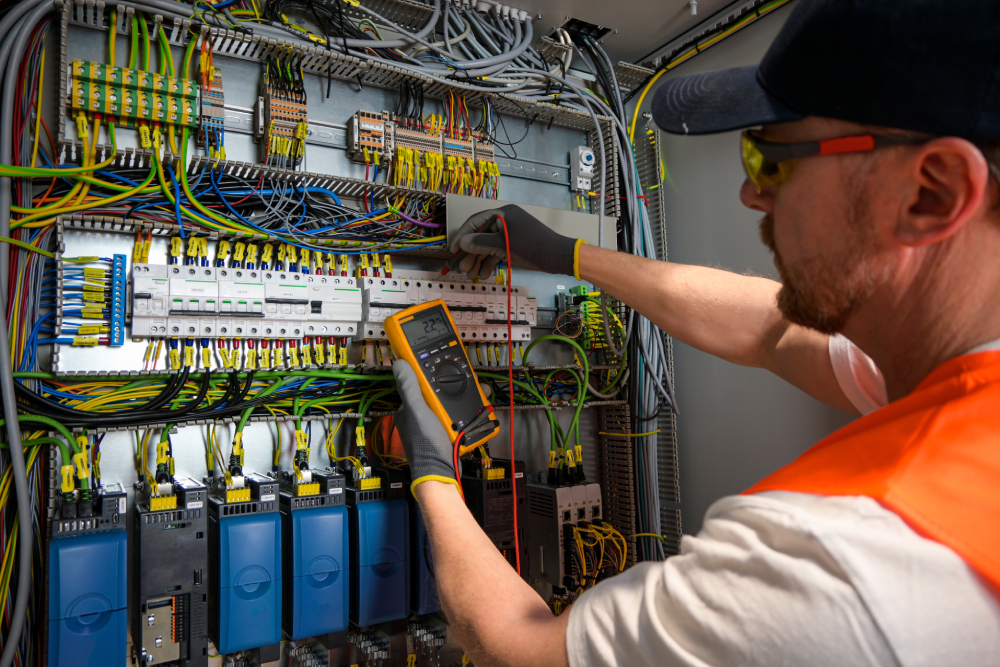
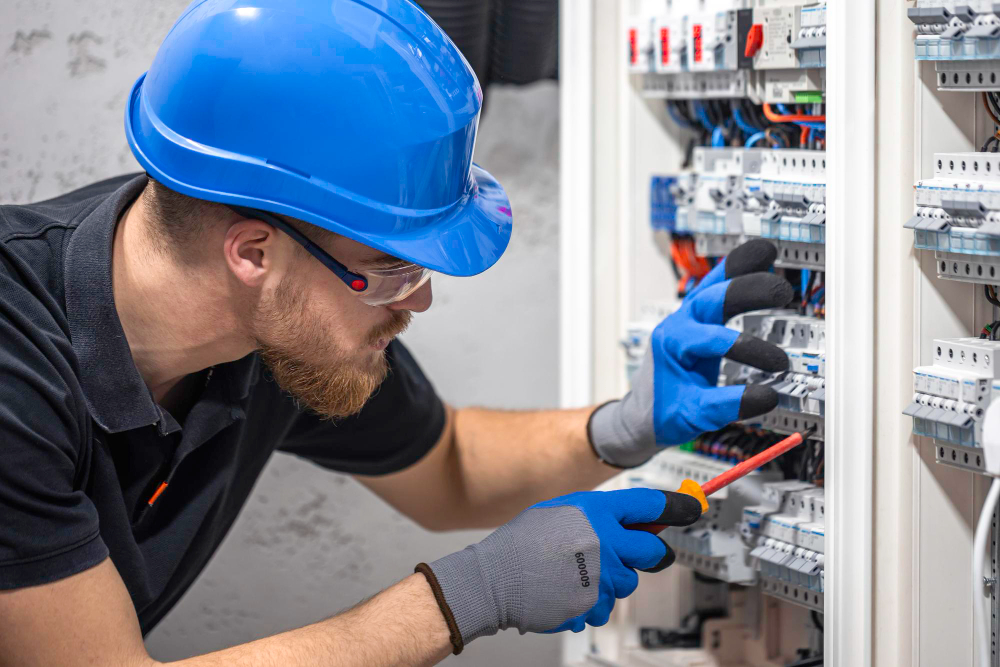
Many homeowners aren’t sure what to expect during an inspection, which can make the process feel intimidating. In reality, a professional inspection is thorough yet straightforward. A licensed technician will evaluate key components of your system, including your electrical panel, wiring, outlets, and circuit breakers.

The goal is to make sure everything is functioning properly and safely. This includes checking for code compliance, identifying signs of wear or damage, and verifying that your system can handle your household’s energy usage. 

The technician may also test safety features such as grounding systems and surge protection to ensure your home is properly protected.

The Risks of Skipping an Inspection

Putting off an electrical inspection may not seem like a big deal, especially if everything appears to be working fine. However, many electrical problems develop behind walls or in areas you can’t easily see. What starts as a minor issue, like a loose connection or aging wire, can quickly escalate into a serious hazard.

Electrical fires are one of the most significant risks associated with neglected systems. Faulty wiring and overloaded circuits are leading causes of these incidents, often occurring without warning. In addition to safety concerns, unresolved electrical issues can also lead to higher energy bills, reduced system efficiency, and costly repairs down the line.

How Often Should You Schedule an Inspection

One of the most common questions homeowners have is how often an electrical inspection is necessary. While there is no one-size-fits-all answer, a good rule of thumb is to schedule an inspection every three to five years for newer homes. Older homes, especially those more than 25 years old, may require more frequent evaluations to ensure outdated components are still safe and functional.

There are also specific situations when an inspection should be prioritized. If you are buying or selling a home, planning a major renovation, or installing large appliances, having your electrical system evaluated is essential. These milestones can place additional demand on your system, and an inspection helps confirm everything is equipped to handle the load safely.

Seasonal changes can also impact your electrical system. Increased use of heating in winter or cooling systems in summer can strain circuits. This makes it even more important to confirm that your system is operating efficiently during peak usage periods. Staying proactive with inspections helps prevent unexpected disruptions when you need your system the most.

What Homeowners Can Do to Support Electrical Safety

Professional inspections are critical, but homeowners can take steps to support safety between visits. Paying attention to warning signs such as flickering lights, tripped breakers, or unusual smells helps detect problems early. Avoid overloading outlets, especially with power strips or extension cords, as this strains the system and increases fire risk.

Using electrical components correctly also reduces hazards. Selecting proper wattage for light bulbs and plugging appliances into suitable outlets contributes to safe operation. Keeping electrical panels accessible and labeling circuits clearly helps technicians troubleshoot efficiently when service is required.

Homeowners should understand the limits of DIY repairs. Electrical systems are complicated, and improper attempts at repair can create serious safety risks. Licensed professionals should handle inspections and repairs for safe, reliable results.

How Air Pro Heating Air and Electric Can Help

Air Pro Heating Air and Electric provides professional electrical inspections in Fayetteville, NC, designed to identify potential risks and maintain system safety and efficiency. Our experienced team carefully evaluates every component of your home’s electrical system, including panels, wiring, outlets, circuit breakers, and connections. 

We take the time to check for signs of wear, outdated equipment, and any potential hazards that could compromise safety. Our thorough approach helps homeowners prevent costly repairs, reduce fire risks, and keep their electrical systems operating reliably year-round. 

Each inspection is conducted with precision and attention to detail. This gives you confidence that your home’s electrical system is safe, functional, and ready for future needs.

Your home should be a place where you feel safe and secure. Call for an estimate or appointment with Air Pro Heating Air and Electric today and let our experienced team help you protect what matters most.

How Much Does An Electrical Inspection Cost In In Fayetteville, NC?

how-much-does-an-electrical-inspection-cost-in-in-fayetteville-nc

An electrical inspection is a vital service to ensure your home’s electrical system is functioning properly and safely. If you’re considering an electrical inspection for your home in Fayetteville, NC, you might be curious about how much it will cost. 

In this blog, we’ll break down how much such electrical services in Fayetteville, NC cost, factors that can affect the price, and why scheduling an inspection is a smart investment for your home’s safety and efficiency.

What Is Included in an Electrical Inspection?

Before we get into electrical inspection cost, it’s important to understand what the service entails. An electrical inspection is a thorough checkup of your home’s electrical system. 

A licensed electrician will examine all the components of your electrical system, including the circuit breaker panel, wiring, outlets, switches, and connections, to make sure everything is working safely and in compliance with local codes.

Inspections focus on identifying potential hazards before they turn into serious issues. This includes outdated wiring, faulty components, and overloaded circuits that could lead to electrical fires. Electricians also look for visible damage, improper grounding, and code violations. In addition, they evaluate energy efficiency and note if upgrades or repairs are needed. 

Average Electrical Inspection Cost in Fayetteville, NC

The average electrical inspection cost in Fayetteville, NC usually falls between $100 and $200 for a standard safety inspection. Pricing can vary based on several factors, including the size of your home, the age of the system, and the depth of the inspection. A typical single-family home inspection often stays within this range. 

However, the cost can increase if you require more detailed inspections or additional services, such as infrared scans for hidden issues or an inspection for specific components like the electrical panel or wiring. In these cases, the cost can rise to $300 or more.

A basic inspection designed to confirm proper function will usually be on the lower end. Larger or older homes with complex systems tend to require more time and attention, which increases the cost. Air Pro Heating Air and Electric maintains clear and straightforward pricing for electrical services in Fayetteville, NC. Homeowners can expect accurate estimates without unexpected charges. 

Factors That Affect the Cost of an Electrical Inspection

There are several factors that can influence the electrical inspection cost in Fayetteville, NC. Understanding these factors can help you estimate the price and plan accordingly.

  • Size of Your Home

The larger your home, the more complex the electrical system is likely to be. Bigger homes with multiple floors and more electrical components, such as additional outlets, lighting fixtures, or appliances, will require a more thorough inspection, which can take longer. This means the inspection will cost more due to the added time and effort needed to assess the entire system.

  • Age of Your Electrical System

Older homes tend to have outdated or potentially unsafe electrical systems. An inspection of an older home’s electrical system may take longer as the electrician needs to assess whether the wiring, panels, and outlets meet modern standards. 

If your home has outdated wiring like knob-and-tube or aluminum wiring, expect to pay a little more for the inspection, as these systems require extra attention to ensure safety.

  • Type of Inspection

Standard electrical inspections focus on the overall safety and functionality of the system, but more advanced inspections may be necessary for certain circumstances. 

For example, an infrared inspection uses thermal imaging to identify issues such as overheating circuits, which could indicate future problems. These scans are more expensive than a basic visual inspection but can catch hidden problems that may not be visible to the naked eye.

  • Location of Your Home

If you live in a more remote or hard-to-access area, it may affect the cost of the inspection. Electricians in busy areas with higher demand may also charge more for their services. 

When Should You Schedule an Electrical Inspection?

There are a few key times when scheduling an electrical inspection is a good idea. These include:

  • Buying or Selling a Home: An inspection can uncover safety concerns before a purchase. Sellers benefit from confirming the system is in good condition and up to code.
  • Before or After Home Renovations: Home upgrades that involve electrical work should be inspected to confirm proper installation and code compliance.
  • Frequent Electrical Issues: Problems such as tripping breakers, flickering lights, or shocks from outlets often signal deeper issues that need attention.
  • Regular Maintenance: Just like your HVAC system, your home’s electrical system requires routine checks. An annual inspection can help identify potential issues before they become bigger, more costly problems.

Why Is an Electrical Inspection Important?

An inspection plays a key role in maintaining a safe and efficient home. Here are a few reasons it is worth the investment:

  • Safety: Electrical problems are a leading cause of home fires. An inspection helps identify and resolve hazards, ensuring your home is safe for you and your family.
  • Energy Efficiency: Identifying inefficient components can help reduce energy use and lower utility bills.
  • Code Compliance: Meeting local codes is important for home sales and renovation projects. Inspections help avoid delays and potential legal issues.

How to Choose the Right Electrical Inspector

When selecting an electrician for your electrical inspection, it’s important to choose a licensed and experienced professional. 

Look for someone who is familiar with local building codes and has a good reputation for reliability and safety. Reading customer reviews and asking for recommendations from friends and family can help you find a trusted service provider.

Air Pro Heating Air and Electric has a team of licensed electricians with the tools and experience needed for detailed inspections. Their approach focuses on accuracy, safety, and clear communication.

Contact Air Pro Heating Air and Electric for Your Electrical Inspection

If you’re looking to schedule an electrical inspection in Fayetteville, NC, Air Pro Heating Air and Electric is here to help. Our expert and highly-rated team offers comprehensive electrical services in Fayetteville, NC, to keep your home’s electrical system safe, efficient, and up to code.

Contact us today to schedule your inspection or get a free estimate. We’ll work with you to address any issues and ensure your home’s electrical system is functioning at its best.

Essential Electrical Inspection Checklist For Homeowners

essential-electrical-inspection-checklist-for-homeowners

Electrical issues often start small, such as flickering lights, a tripped breaker, or an outlet that feels warm to the touch. But in many homes, especially in areas like Fayetteville, where seasonal weather can put extra strain on systems, these warning signs can point to deeper problems. 

Following an electrical inspection checklist is one of the most effective ways to understand the condition of your system and prevent serious safety risks before they escalate.

Why Electrical Inspections Matter More Than You Think

Your electrical system powers everything from essential appliances to your home’s heating and cooling. When something goes wrong, the consequences can go far beyond inconvenience. Faulty wiring, outdated panels, or overloaded circuits can lead to power failures, equipment damage, or even electrical fires.

Homes in Fayetteville face extremely hot summers and very cold winters. These conditions put significant stress on all electrical systems inside homes. Air conditioning units often run constantly during the summer months in Fayetteville. 

Heating systems are also under pressure during cold winter periods each year. High-demand appliances such as ovens, washers, and dryers consume large amounts of electricity. These devices can reveal hidden weaknesses in wiring, panels, or circuit components. Small electrical problems often remain unseen without a professional inspection in place. 

Following a detailed electrical inspection checklist helps identify issues before they escalate. Hidden risks may include overloaded circuits, faulty connections, or outdated equipment that is dangerous. Addressing these problems early protects the home from fire, damage, and safety hazards. 

Regular inspections also provide confidence that the electrical system handles seasonal demand effectively. Homeowners gain peace of mind knowing their family and property are safe. Professional inspections help maintain consistent performance of all systems throughout the year.

Main Components Professionals Evaluate

Licensed electricians perform a thorough assessment that goes well beyond a glance at your breaker panel. The electrical panel and circuit breakers serve as the central hub for power distribution, and any issues can affect the performance of the entire home. Professionals look for signs of corrosion, wear, or outdated components that may not meet current safety standards.

Wiring condition is another critical focus. Aging, damaged, or improperly installed wiring ranks among the most serious hazards discovered during inspections. Hidden behind walls and ceilings, faulty wiring often goes unnoticed until a professional identifies the problem. Inspectors evaluate the type, condition, and installation of your wiring to reduce the risk of electrical fires.

Outlets, switches, and fixtures receive close attention as well. Loose connections, discoloration, warmth, or buzzing sounds can indicate underlying electrical problems. Inspectors also verify that high-risk areas like kitchens, bathrooms, and outdoor spaces have appropriate safety features such as ground fault circuit interrupters (GFCIs). These safeguards prevent shocks and reduce the risk of injury in moisture-prone areas.

Grounding and bonding systems form the final critical check. These systems provide a safe path for excess electrical current, protecting the home from fire, shocks, and damage to appliances. Compromised grounding or bonding can make an entire system unstable, highlighting the importance of a professional inspection and a comprehensive electrical inspection checklist.

Warning Signs That Should Never Be Ignored

Even without a formal inspection, your home may already be showing signs that something isn’t right. These warning signals often indicate underlying electrical issues that require immediate professional attention.

Frequent circuit breaker trips are one of the most common red flags. While occasional trips can happen, repeated interruptions usually point to overloaded circuits or faulty components. Similarly, flickering or dimming lights, especially when using appliances, can signal wiring problems or an overburdened electrical panel.

Burning smells, buzzing sounds, or outlets that feel warm are urgent warning signs that should never be ignored. These symptoms often indicate overheating wires, loose connections, or other electrical faults, all of which can rapidly escalate into fire hazards if left unaddressed. Delaying action increases the risk of property damage, injury, or even catastrophic fire incidents, putting your entire household in danger. 

Older homes require extra attention, as electrical systems that were adequate decades ago may struggle to handle today’s higher energy demands. Modern appliances, smart devices, and HVAC equipment place significant strain on outdated wiring. This makes timely inspections and updates critical for safety and reliability.

When to Schedule an Electrical Inspection

While some situations demand immediate attention, there are several key moments when scheduling an inspection is particularly important. Homeowners should consider a professional evaluation when purchasing or selling a property, as this helps confirm the electrical system is safe, up to code, and capable of meeting the energy needs of current and future occupants. 

Renovations and upgrades also represent a critical time for inspections. Installing new appliances, upgrading lighting, or adding HVAC systems can place extra strain on existing circuits and wiring, making a detailed evaluation essential to prevent overloads or malfunctions. Seasonal changes can affect system performance as well. 

In Fayetteville, extreme summer heat or colder winter periods can push electrical systems to their limits. Scheduling an inspection before peak usage seasons helps avoid unexpected outages or hazards when electricity demand is highest. Additionally, if several years have passed since the last evaluation or if the inspection history is unclear, arranging a proactive checkup can identify potential issues early.

How Air Pro Heating Air and Electric Can Help

At Air Pro Heating Air and Electric, we recognize the critical role a safe and dependable electrical system plays in protecting your home and family. Our licensed electricians follow a meticulous, detail-oriented process for every inspection, examining panels, wiring, outlets, and safety components. 

Each evaluation identifies potential hazards, uncovers hidden issues, and highlights areas where improvements may be needed. Our team also explains findings in clear, understandable terms, helping homeowners make informed decisions about repairs or upgrades. This comprehensive approach not only addresses current concerns but also helps prevent future problems.

If you’ve noticed warning signs or simply want peace of mind, now is the time to act. Contact Air Pro Heating Air and Electric today to schedule your electrical inspection or book service online.

When To Call An Electrician: 7 Common Warning Signs

Lights may flicker during a storm or make a buzzing sound when you flip a switch. Small warning signs like these often point to larger problems hidden behind your walls. Electrical safety becomes critical when wiring ages or circuits begin to fail. 

Understanding when to call an electrician can prevent house fires and keep your power system working without dangerous surprises. Early detection reduces repair costs and keeps minor malfunctions from turning into major structural damage or hazardous sparks.

We fix every wire and breaker with pride. Our team masters electrical installation and repair in Fayetteville, NC, to keep your family safe. Air Pro Heating Air and Electric brings years of skill to every single job site. 

Frequent Circuit Breaker Trips Indicate Underlying Electrical Issues

A breaker shuts off when a circuit draws more current than it can safely carry. This safety mechanism stops wires from overheating and melting. Repeated tripping suggests the electrical panel cannot manage the daily demand of modern appliances and devices. 

Resetting the switch repeatedly will not correct the underlying fault. Recognizing when to call an electrician becomes important when breakers fail again and again. 

Flickering or Dimming Lights Signal Electrical Wiring Problems

Light fixtures should shine steadily throughout the day. Sudden dimming may occur when a large appliance pulls excessive current from the circuit. 

Weak or outdated wiring often struggles to keep up with modern energy demands. Loose connections can also cause lights to flicker without warning. A trained lighting technician identifies unstable connections and corrects voltage irregularities. 

Consistent power requires technical knowledge of how electrical systems distribute energy. 

Burning Smells From Outlets Require Immediate Electrician Inspection

The odor of melting plastic or ozone signals serious danger. Heat builds inside the wall when wiring connections begin to deteriorate. This scent often means insulation is overheating behind the drywall. Shut off the main breaker and seek professional assistance immediately. 

Knowing when to call an electrician is crucial when unusual smells appear near outlets or switches. 

Warm or Discolored Outlets Indicate Potential Electrical Hazards

Outlet covers should remain cool during normal use. Heat coming from a receptacle indicates electricity is escaping or encountering resistance. Brown or black discoloration suggests sparking inside the box. Charring increases the risk for anyone plugging in everyday electronics. 

A device specialist removes the outlet to inspect internal wiring for damage. Correcting overheated components protects both your home and your equipment. Replacing burnt wiring parts restores safe operation and reduces fire risk.

Buzzing Sounds From Panels Suggest Electrical Component Failures

Electricity should travel quietly through your wiring and main service panel. A steady hum or sharp buzzing noise often signals a breaker that is not functioning correctly. Loose internal components can vibrate and create a hazardous condition inside the panel. Heat builds quickly when metal connections fail to sit firmly in place.  

These warning signs should never be ignored. Identifying the exact source of the noise requires a careful inspection of breakers, bus bars, and terminal connections. A properly working electrical system operates without sound. Restoring tight connections and replacing worn components brings the panel back to safe and stable performance. 

Sparks From Outlets Signal Dangerous Electrical System Conditions

A bright pop when plugging in a device is a clear warning sign. A tiny spark may happen on rare occasions, but repeated or large blue flashes indicate a serious issue. Wires could be loose, damaged, or making improper contact inside the outlet. Dust buildup or moisture inside the electrical box can also trigger dangerous arcing.  

An inspection of the outlet and surrounding wiring helps determine where the current is escaping its intended path. Electricity should remain contained within insulated wiring and secure terminals at all times. 

Electrical Shocks From Appliances Indicate Wiring Safety Problems

Touching a toaster or a fridge should never result in a zap. A tingle or a sharp sting means the ground wire is not working. The metal casing of the machine is now carrying a live charge. This happens when the path to the earth is broken or missing entirely. 

A safety system technician tests the grounding to pull the stray voltage away from your hands. Avoiding a shock is a top priority for any house with kids or pets.

Call Air Pro Heating Air And Electric For Fast Help With Your Local Power

Air Pro Heating Air and Electric offers reliable electrical repair and installation to solve every sparking outlet or tripping breaker problem today. Our veteran-owned team holds top licenses and over 2,300 five-star reviews for excellent work. 

We are the premier electrical system company because we offer 24/7 emergency care and upfront pricing. You can experience comfort and power like never before with our expert technicians who handle HVAC and electrical jobs. We won the Fayetteville Community Choice Awards because we prioritize quality and speed for every local neighbor we serve. 

Book your appointment online now or call us to get an estimate for your next big home project.

How Much Does An Electrician Cost In Fayetteville, NC?

Home electrical systems require expert care to keep everything running safely and without any sudden power failures. Knowing “How much does an electrician cost?” helps with planning for small repairs or major upgrades to the wiring. Local rates change based on the job size and the specific parts required for the project. Proper planning prevents surprises when the bill arrives after the technician finishes the work.

Air Pro Heating Air and Electric offers reliable electrical services in Fayetteville, NC, for every home’s power needs. Our team brings years of experience to every single service call. We take pride in our high ratings and our fast response times for all. 

Let us handle your next project with the care and skill that only our dedicated staff provides.

Average Hourly Rates for Fayetteville Electrical Professionals

Standard rates for labor usually fall between seventy-five and one hundred twenty-five dollars for each hour of work. This price covers the time spent on-site and the travel costs for the service vehicle and specialized tools. Some smaller jobs take less than an hour but still require a minimum service fee for the visit. 

Clear communication about these base prices helps set realistic expectations for any basic maintenance or troubleshooting task. A master wireman brings specialized skills to the job to keep the home system functioning at peak performance levels. 

Common Emergency Electrical Repair Fees in North Carolina

Emergency calls during the night or on weekends often carry a higher price tag than regular business hours. Most companies charge a flat trip fee plus an increased hourly rate for these urgent after-hours service requests. These situations often involve blown fuses, sparking outlets, or a complete loss of power to the entire house. 

Fast action prevents further damage to the system and restores safety to the property in a very short time. A skilled repair technician diagnoses these urgent issues quickly to prevent any potential fire hazards from spreading. 

Cost Factors for Local Residential Wiring Upgrade Projects

Several factors influence the total price of a wiring project, including the age of the house and the material. These variables determine how long the work takes and what type of new copper or aluminum wires are needed.

  • Home Size: Larger houses require more physical materials and more labor hours to run wires through all the walls.
  • Wall Material: Cutting into drywall is much easier and cheaper than drilling through old plaster or thick brick sections.
  • Access Points: Crawl spaces and attics that provide easy access for the crew will lower the total labor hours.
  • Permit Fees: Local government offices require specific fees for inspections to verify that the new wiring meets city codes.

Pricing for New Circuit Breaker Panel Installation Services

Replacing an old breaker panel costs between one thousand and three thousand dollars, depending on the total amperage needed. Modern homes often require two hundred amps to support large appliances, air conditioners, and modern kitchen tech gadgets. 

This job involves removing the old box and connecting every circuit to a new, much safer distribution system. Upgrading the panel allows for more circuits and reduces the risk of tripped breakers during heavy power use. 

Estimates for Installing Interior Lighting Fixtures and Fans

Installing a basic ceiling fan or a new light fixture typically costs between one hundred fifty and four hundred dollars. The price increases if the ceiling requires a new support box or if the technician must run new wires. Simple swaps of existing lights are fast, but adding recessed lighting across a large room takes much more effort. 

Proper mounting prevents wobbling fans and ensures the weight of the light stays secured to the ceiling joists. A lighting technician knows how to position fixtures for the best glow and the safest operation in every room. 

Differences in Commercial Versus Residential Electrical Service Costs

Commercial work involves heavy conduits and higher voltage systems that require different parts than a standard family home. These projects often take place in large warehouses or retail spaces where the wiring must stay visible and protected. 

Labor rates for commercial tasks are generally higher because the work demands more specialized training and much larger crews. Industrial materials cost more because they must withstand constant use and much higher levels of heat and electricity. 

Comparing Flat Rate Versus Hourly Electrical Project Pricing

Flat rate pricing gives a total price upfront for a specific task, regardless of how many hours it takes. Hourly billing charges for the exact time spent on the job, which can fluctuate if the technician finds hidden problems. 

Most people prefer the certainty of a flat rate for common jobs like outlet repairs or simple light swaps. Hourly rates work better for complex troubleshooting where the cause of the problem remains unknown at the start. 

Ways to Save Money on Large Electrical Renovations

Planning ahead and grouping several small tasks into one single visit reduces the total travel fees for the project. Clear communication about the project goals helps the crew work faster and avoid any wasted time or materials.

  • Clear Access: Moving furniture away from outlets and clearing out work areas saves the crew from doing it.
  • Bulk Materials: Buying fixtures or fans in bulk during sales can lower the total cost of the renovation.
  • Off-Peak Times: Scheduling non-emergency work during slower seasons might lead to better rates or faster start dates.
  • Group Repairs: Fixing every dead outlet in one visit is cheaper than calling for each one separately.

Tips for Getting Accurate Electrical Service Cost Estimates

Getting a detailed estimate involves a physical walk-through of the property to see the current state of the wires. This process identifies potential issues before the work begins, so the quote stays as accurate as it possibly can.

  • Written Quotes: Always ask for a written document that lists the parts and the labor as separate items.
  • License Check: Verify that the company holds the proper state licenses to perform legal work in the area.
  • Project Scope: Define exactly what work needs completion to avoid adding extra tasks after the contract is signed.
  • Timeline: Ask for a start and end date to ensure the project fits into the current household schedule.

Contact Air Pro Heating Air and Electric Today for Help

Call Air Pro Heating Air and Electric for fast help with your local power needs. We offer 24/7 emergency service and expert technicians with top reviews to keep your home running smoothly. Our team brings veteran-owned pride to every job in the Fayetteville area. 

We hold North Carolina Electrical Contractor License #U37137 and have over 2,300 five-star Google reviews. A professional electrician will arrive on time to fix any issue quickly. As a licensed electrical contractor in Fayetteville, we provide upfront pricing and flexible financing for all your upgrades. 

We deliver complete comfort and power solutions under one roof with our combined HVAC and electrical expertise. Experience comfort and power like never before by booking your appointment with us right now.

Electrician Vs. HVAC: Who To Call For Your Home Issue

electrician-vs-hvac-who-to-call-for-your-home-issue

When something stops working in your home, the first question is usually who to contact. If your air conditioner refuses to start or your breaker keeps tripping, you might search electrician vs. HVAC and wonder which professional is responsible for the issue. 

The confusion makes sense because modern heating and cooling systems depend heavily on electricity. Symptoms often overlap, and hiring the wrong service provider can slow down the repair process.

What an HVAC Technician Handles in Your Home

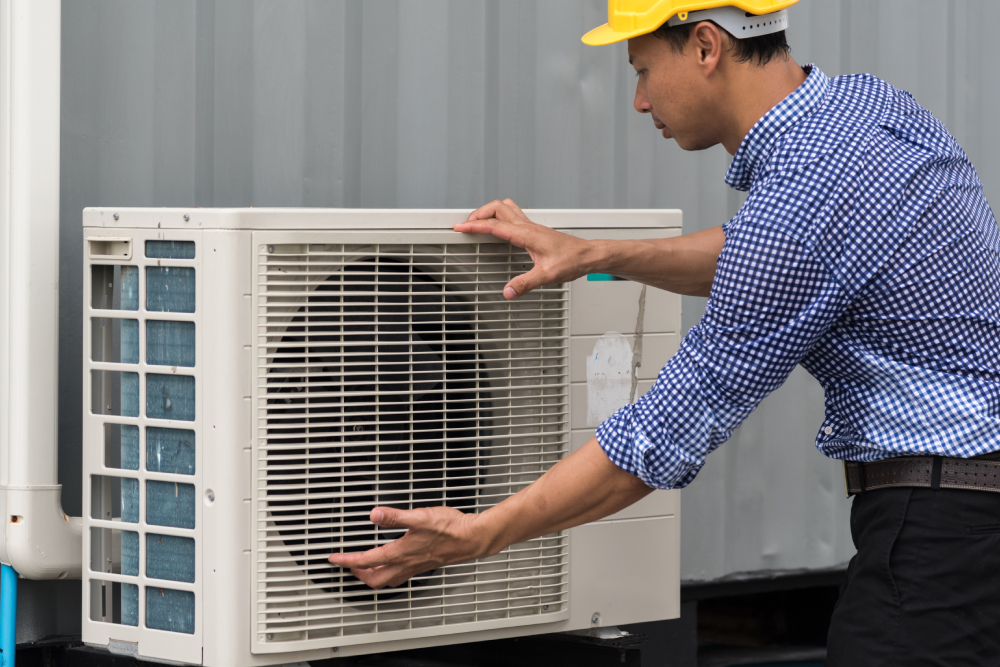
An HVAC technician focuses on heating, ventilation, and air conditioning systems. These professionals service air conditioners, furnaces, heat pumps, ductwork, thermostats, and indoor air quality equipment. If your home is not heating or cooling properly, this is generally the right starting point.

When your AC blows warm air during a humid summer afternoon in Fayetteville, the problem may involve low refrigerant, a failing compressor, or restricted airflow. If your furnace struggles during a winter cold snap, ignition components or internal mechanical parts could be responsible. These systems contain specialized parts that require focused training and dedicated tools.

If you are researching AC services in Fayetteville, NC, you are likely dealing with performance problems that fall under HVAC expertise. Weak airflow, uneven cooling, strange noises from the outdoor unit, or rising indoor humidity often point to heating and cooling equipment rather than general wiring.

HVAC technicians also complete full system installations and replacements. When equipment reaches the end of its service life, they assess your home’s layout, insulation, and comfort goals before recommending updated equipment. Their attention centers on airflow, temperature regulation, and energy efficiency within the heating and cooling system itself.

What an Electrician Handles in Your Home

An electrician works with your home’s electrical system. This includes breaker panels, wiring, outlets, switches, lighting fixtures, and backup power systems. If the concern relates to power distribution instead of heating or cooling performance, an electrician may be the better fit.

Flickering lights, warm outlets, buzzing from the electrical panel, or frequent breaker trips often signal load or wiring problems. These issues might not involve your HVAC system at all. Aging wiring or an outdated panel may struggle to handle modern energy demands.

Homeowners often call for electrical services in Fayetteville, NC when adding new appliances, installing generators, or upgrading outdated panels. 

Why the Confusion Happens

The boundary between an electrician and an HVAC technician becomes unclear because heating and cooling systems rely on electrical components. Air conditioners contain capacitors and contactors. Furnaces use control boards and ignition systems powered by electricity. When one of these parts fails, the symptoms can resemble a wiring issue. 

If your AC will not power on, the cause could be a tripped breaker. It could also involve a failed internal component inside the unit. A homeowner standing in a warm living room cannot easily identify the difference. This overlap explains why many people debate electrician vs. HVAC before scheduling service. 

Identifying whether the problem is limited to the comfort system or affects multiple areas of the home is critical. If lights and outlets work normally, the trouble often remains within the HVAC equipment. If several electrical devices act unpredictably, the broader power system may be involved. 

Signs the Problem Is Likely HVAC Related

When your system runs but fails to heat or cool effectively, the issue usually falls under HVAC service. Uneven temperatures between rooms, weak airflow, or a thermostat that does not respond correctly often point to heating and cooling equipment. 

Unusual noises from the outdoor unit or furnace cabinet suggest mechanical wear. Grinding, rattling, or squealing sounds typically indicate worn internal components. Electricians do not usually handle these mechanical concerns. 

If you describe your concerns to a heating company in Fayetteville, NC, they will focus first on airflow, refrigerant levels, system pressure, and internal electrical components specific to the unit. Their training centers on how each part of the heating and cooling system works together to regulate indoor comfort.

Signs the Problem May Be Electrical

In some situations, your HVAC equipment reacts to unstable power. If the breaker trips repeatedly when the AC starts, the circuit could be overloaded. If the lights dim when the system cycles on, your panel may struggle to deliver consistent current. 

Electrical odors near outlets or a warm breaker panel door signal the need for immediate inspection. These warnings move beyond comfort issues and into safety concerns. An electrician will examine wiring connections, panel capacity, and circuit stability. 

Adding large appliances or upgrading to a higher-capacity system can strain an older electrical panel. In that case, contacting an electrician first may prevent repeated shutdowns and potential equipment damage. Evaluating an electrician vs. HVAC carefully can save time and prevent unnecessary service calls. 

The Benefit of Choosing a Company That Offers Both

Many homeowners find it practical to work with a contractor experienced in both trades. When one company has expertise in HVAC and electrical systems, diagnosis becomes more straightforward. You avoid guessing which professional to schedule or paying for two separate visits. 

A qualified technician can assess the issue from both perspectives. They determine whether the malfunction lies inside the HVAC equipment or within the larger electrical network. This approach limits delays and clarifies the repair path. Deciding between electrician vs. HVAC becomes far simpler when both skill sets are available under one roof. 

Making the Right Decision for Your Home

When something stops working, take a moment to observe the pattern. Ask yourself whether the issue is isolated to heating and cooling or if it affects multiple electrical components. Notice whether other appliances behave normally. Pay attention to breaker activity and lighting stability.

Call today to restore comfort and power in your home with trusted local experts. In the middle of every repair and installation, Air Pro Heating Air and Electric delivers heating, cooling, and electrical solutions that keep your home running smoothly all year. We identify the source of the problem and provide services that bring back dependable comfort and consistent power in every season.