


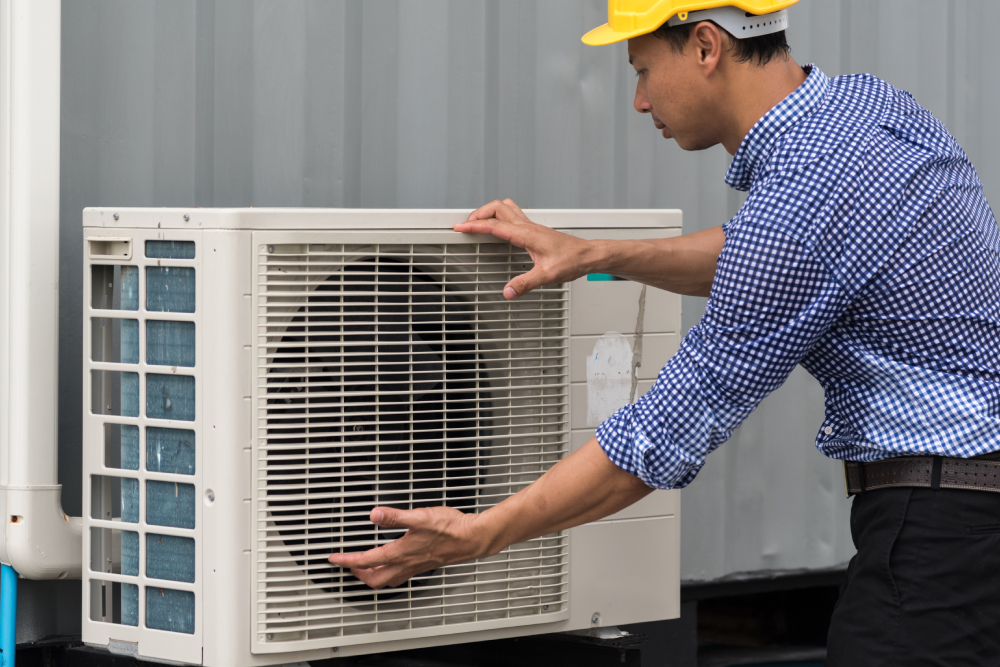
When something stops working in your home, the first question is usually who to contact. If your air conditioner refuses to start or your breaker keeps tripping, you might search electrician vs. HVAC and wonder which professional is responsible for the issue.
The confusion makes sense because modern heating and cooling systems depend heavily on electricity. Symptoms often overlap, and hiring the wrong service provider can slow down the repair process.
What an HVAC Technician Handles in Your Home
An HVAC technician focuses on heating, ventilation, and air conditioning systems. These professionals service air conditioners, furnaces, heat pumps, ductwork, thermostats, and indoor air quality equipment. If your home is not heating or cooling properly, this is generally the right starting point.
When your AC blows warm air during a humid summer afternoon in Fayetteville, the problem may involve low refrigerant, a failing compressor, or restricted airflow. If your furnace struggles during a winter cold snap, ignition components or internal mechanical parts could be responsible. These systems contain specialized parts that require focused training and dedicated tools.
If you are researching AC services in Fayetteville, NC, you are likely dealing with performance problems that fall under HVAC expertise. Weak airflow, uneven cooling, strange noises from the outdoor unit, or rising indoor humidity often point to heating and cooling equipment rather than general wiring.
HVAC technicians also complete full system installations and replacements. When equipment reaches the end of its service life, they assess your home’s layout, insulation, and comfort goals before recommending updated equipment. Their attention centers on airflow, temperature regulation, and energy efficiency within the heating and cooling system itself.
What an Electrician Handles in Your Home
An electrician works with your home’s electrical system. This includes breaker panels, wiring, outlets, switches, lighting fixtures, and backup power systems. If the concern relates to power distribution instead of heating or cooling performance, an electrician may be the better fit.
Flickering lights, warm outlets, buzzing from the electrical panel, or frequent breaker trips often signal load or wiring problems. These issues might not involve your HVAC system at all. Aging wiring or an outdated panel may struggle to handle modern energy demands.
Homeowners often call for electrical services in Fayetteville, NC when adding new appliances, installing generators, or upgrading outdated panels.
Why the Confusion Happens
The boundary between an electrician and an HVAC technician becomes unclear because heating and cooling systems rely on electrical components. Air conditioners contain capacitors and contactors. Furnaces use control boards and ignition systems powered by electricity. When one of these parts fails, the symptoms can resemble a wiring issue.
If your AC will not power on, the cause could be a tripped breaker. It could also involve a failed internal component inside the unit. A homeowner standing in a warm living room cannot easily identify the difference. This overlap explains why many people debate electrician vs. HVAC before scheduling service.
Identifying whether the problem is limited to the comfort system or affects multiple areas of the home is critical. If lights and outlets work normally, the trouble often remains within the HVAC equipment. If several electrical devices act unpredictably, the broader power system may be involved.
Signs the Problem Is Likely HVAC Related
When your system runs but fails to heat or cool effectively, the issue usually falls under HVAC service. Uneven temperatures between rooms, weak airflow, or a thermostat that does not respond correctly often point to heating and cooling equipment.
Unusual noises from the outdoor unit or furnace cabinet suggest mechanical wear. Grinding, rattling, or squealing sounds typically indicate worn internal components. Electricians do not usually handle these mechanical concerns.
If you describe your concerns to a heating company in Fayetteville, NC, they will focus first on airflow, refrigerant levels, system pressure, and internal electrical components specific to the unit. Their training centers on how each part of the heating and cooling system works together to regulate indoor comfort.
Signs the Problem May Be Electrical
In some situations, your HVAC equipment reacts to unstable power. If the breaker trips repeatedly when the AC starts, the circuit could be overloaded. If the lights dim when the system cycles on, your panel may struggle to deliver consistent current.
Electrical odors near outlets or a warm breaker panel door signal the need for immediate inspection. These warnings move beyond comfort issues and into safety concerns. An electrician will examine wiring connections, panel capacity, and circuit stability.
Adding large appliances or upgrading to a higher-capacity system can strain an older electrical panel. In that case, contacting an electrician first may prevent repeated shutdowns and potential equipment damage. Evaluating an electrician vs. HVAC carefully can save time and prevent unnecessary service calls.
The Benefit of Choosing a Company That Offers Both
Many homeowners find it practical to work with a contractor experienced in both trades. When one company has expertise in HVAC and electrical systems, diagnosis becomes more straightforward. You avoid guessing which professional to schedule or paying for two separate visits.
A qualified technician can assess the issue from both perspectives. They determine whether the malfunction lies inside the HVAC equipment or within the larger electrical network. This approach limits delays and clarifies the repair path. Deciding between electrician vs. HVAC becomes far simpler when both skill sets are available under one roof.
Making the Right Decision for Your Home
When something stops working, take a moment to observe the pattern. Ask yourself whether the issue is isolated to heating and cooling or if it affects multiple electrical components. Notice whether other appliances behave normally. Pay attention to breaker activity and lighting stability.
Call today to restore comfort and power in your home with trusted local experts. In the middle of every repair and installation, Air Pro Heating Air and Electric delivers heating, cooling, and electrical solutions that keep your home running smoothly all year. We identify the source of the problem and provide services that bring back dependable comfort and consistent power in every season.