










Author Archives: Marketing Access

Why Electrical Inspections Are Important For Every Home

why-electrical-inspections-are-important-for-every-home

Electrical issues are among the most dangerous problems a home can have and also among the most invisible. Unlike a leaking pipe or a broken window, faulty wiring and overloaded circuits don’t always announce themselves until something serious happens. 

Understanding why electrical inspections are important is the first step toward protecting your home and everyone in it. 

Electrical Problems Are Often Hidden From Plain Sight

Electrical hazards frequently form in silence behind walls, inside attic spaces, and within electrical panels, with no clear warning signs. Aging wiring, loose connections, and overloaded circuits may not immediately trip breakers or cause lights to flicker. These issues can persist for months or even years before anything becomes noticeable.

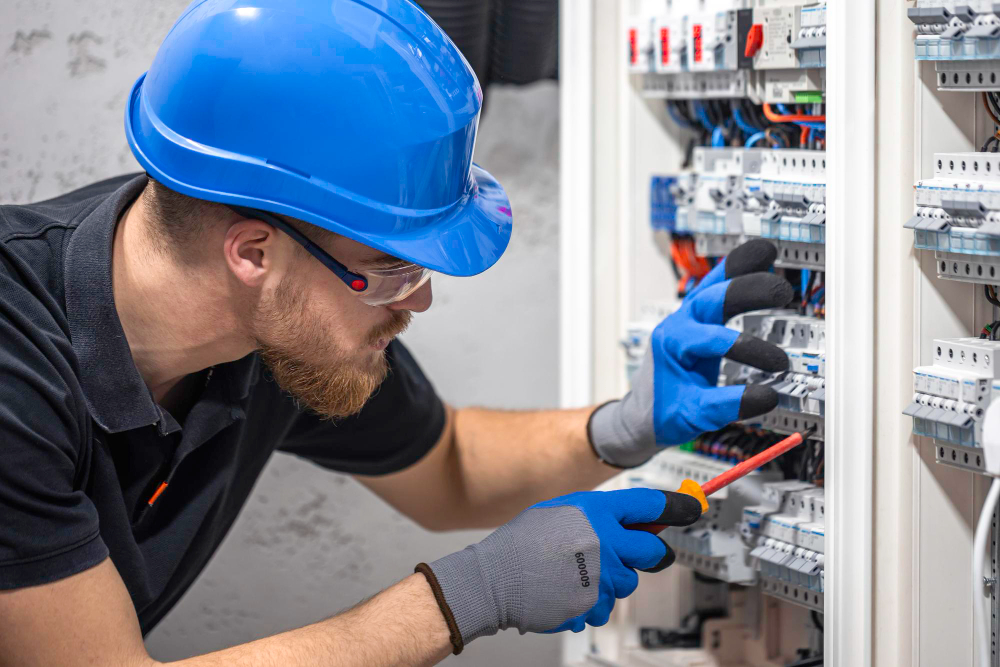
A professional inspection targets these hidden concerns. Licensed electricians understand where to check and how to evaluate each component, catching problems that most homeowners would never see.  

Getting ahead of these issues before they escalate is far less disruptive and far less costly than dealing with the consequences of an electrical failure.

Older Homes Carry Higher Electrical Risk

Homes built decades ago were not designed for today’s power demands. Modern households rely on far more devices, appliances, and technology than older systems were built to handle. Outdated wiring materials, aging panels, and systems that no longer meet current safety codes all increase risk.

Properties built before the 1980s may still contain wiring types that fall below modern safety standards. Partial upgrades over the years can leave sections untouched and vulnerable. A detailed inspection reveals the current condition of the system and highlights areas that require updates to meet present-day expectations.

Electrical Inspections Are a Must When Buying or Selling a Home

Buying a home is a major financial commitment. Entering that decision without a clear understanding of the electrical system introduces unnecessary risk. An inspection before closing gives buyers essential insight and can uncover issues that need attention or negotiation before finalizing the deal.

Sellers also benefit from a pre-listing inspection. It shows transparency and builds confidence with potential buyers. It also creates time to address any concerns without last-minute pressure during negotiations.

Inspections Help Prevent Electrical Fires

Electrical fires remain one of the leading causes of residential damage, and most are preventable. Common causes include faulty wiring, overloaded circuits, and outdated panels. Many of these fires begin inside walls or hidden areas, which means the problem may already be severe before any visible signs appear.

Routine inspections give trained professionals the chance to identify fire risks early. Spotting these conditions before they escalate is one of the most effective ways to protect your home. Situations like this highlight why electrical inspections are important for long-term safety.

Inspections Keep Your Home Up To Code

Electrical codes define the minimum safety standards every home should meet. These standards evolve as new technologies and safety research emerge. A system that met code years ago may no longer comply today, creating potential safety and liability concerns.

Staying current with code requirements goes beyond safety alone. Renovations, home additions, and new appliance installations often require systems to meet updated standards before work can move forward. An inspection clarifies what updates are necessary so projects can proceed without delays.

How Air Pro Heating Air and Electric Can Help

Our team understands that electrical concerns can feel overwhelming, especially when you’re not sure how serious the problem might be. At Air Pro Heating Air and Electric, our licensed electricians bring the training, experience, and attention to detail needed to thoroughly inspect your home’s electrical system, from your panel and wiring to outlets, connections, and everything in between. 

Reach out to us today to schedule your electrical inspection and one of our friendly team members will be happy to help.
Top 8 HVAC FAQs Answered

top-x-hvac-faqs-answered

Homeowners have a lot of questions when it comes to their heating and air conditioning systems, which is completely understandable. These systems run daily, and when something feels off, answers matter. Below are eight clear, straightforward responses to the HVAC questions we hear most often.

How Often Should I Have My HVAC System Serviced?

Most HVAC professionals suggest scheduling maintenance twice a year. Plan one visit in the spring before cooling season and another in the fall before heating season begins. This routine keeps your system efficient and helps catch minor issues early. It also helps maintain consistent airflow and temperature control throughout your home.

Skipping maintenance may not seem urgent at first. Over time, however, the system works harder, energy bills increase, and the risk of breakdown rises. Dust buildup, worn components, and small inefficiencies can quietly reduce performance. 

Regular inspections from a trained technician help protect your system and keep your home comfortable throughout the year while extending equipment lifespan.

Why Is My AC Running But Not Cooling My Home?

This issue comes up frequently during warmer months. Several factors could cause your system to run without cooling. A clogged air filter, low refrigerant, a failing compressor, or a frozen evaporator coil are all possible reasons. Thermostat issues or blocked vents can also prevent proper cooling. Each of these problems requires a different fix. Proper diagnosis calls for the right tools and experience. 

Trying to handle refrigerant or compressor issues without training can lead to more damage and may void your warranty. A professional can pinpoint the cause quickly and restore proper cooling while preventing further complications.

How Long Does an HVAC System Typically Last?

Most air conditioning and heating systems have a lifespan of 10 to 15 years with proper care. Older units may keep running past that range, but they typically become less efficient and start needing repairs more often. 

If your system is approaching or past the 10-year mark and you’re calling for repairs more often than usual, it may be time to consider a replacement rather than continuing to patch an aging unit.

A new, energy-efficient system can significantly reduce your monthly utility costs and keep your home more consistently comfortable. Our team at Air Pro can walk you through your options and help you decide what makes the most sense for your home and budget with upfront pricing and no surprises.

Why Are Some Rooms in My Home Hotter or Colder Than Others?

Uneven temperatures can be frustrating, and they happen more often than many expect. Causes may include blocked or leaking ductwork, poor insulation, or a system that does not match your home’s size. Airflow restrictions, closed vents, or even furniture placement can also affect how air circulates from room to room.

An improperly sized unit cannot distribute air evenly, no matter how the thermostat is set. Correct sizing plays a major role during installation. A professional evaluation of your system and ductwork can identify the root of the problem. 

Adjustments such as sealing ducts, improving insulation, or rebalancing airflow can make a noticeable difference in comfort.

How Do I Know When It’s Time to Replace My HVAC System?

There is no single rule, but several signs point toward replacement. A system over 10 years old, rising energy bills, frequent repairs, or difficulty maintaining a comfortable temperature all suggest it may be time for an upgrade. You may also notice inconsistent airflow, longer run times, or unusual humidity levels indoors.

Replacing an older unit improves comfort while reducing long-term operating costs. Modern systems are far more efficient than those installed even a decade ago. Upgrading can also improve indoor air quality and reduce strain on your home’s electrical system, making daily operation more reliable.

Why Does My HVAC System Make Strange Noises?

A steady hum is normal. Loud or unusual sounds are not. Banging, rattling, squealing, or grinding noises usually indicate a problem. Changes in sound often signal that a component is loose, worn, or struggling to function properly. Airflow restrictions, debris inside the unit, or loose panels can also create unexpected noise during operation. 

Clanking often points to a loose or broken component, while squealing usually indicates worn belts or bearings, and grinding can signal motor trouble. Ignoring these sounds can lead to more serious damage over time.

Small issues can escalate quickly when parts continue to operate under strain. Prompt attention helps prevent larger repairs, reduces system wear, and keeps your HVAC system running more reliably over time.

My HVAC System Stopped Working — Now What?

A sudden breakdown can be stressful. Start with simple checks. Confirm the thermostat settings and make sure the system has power. Check the circuit breaker and replace the air filter if it is dirty, as restricted airflow can sometimes cause the system to shut down.

If the issue continues, professional help is needed. HVAC systems involve electrical components, refrigerants, and moving parts. Handling repairs without proper training can be dangerous and may cause further damage. A licensed technician can diagnose the issue accurately and restore your system safely and efficiently.

Why Is My Energy Bill So High?

An increase in energy costs often signals an issue with your HVAC system. Common causes include an aging unit, dirty filters, refrigerant problems, or reduced efficiency over time. Poor insulation, leaky ductwork, or a thermostat that is not calibrated correctly can also contribute to higher usage.  

A properly maintained system operates smoothly without overworking. When it struggles to reach the desired temperature, energy usage rises and shows up on your utility bill. Regular maintenance, filter changes, and system checks can help control costs and keep performance consistent throughout the year.

How Air Pro Heating Air and Electric Can Help

HVAC problems can feel overwhelming, especially when they appear without warning. Our team focuses on solving the issue while giving you confidence in your home’s comfort. We keep pricing clear and offer flexible financing options, so there are no surprises.

From routine maintenance and parts replacement to full system installations, we handle it all under one roof. Contact us or book your service online today, and let us take the stress off your plate.