


Upgrade your home’s comfort and efficiency by learning what to expect from the HVAC installation process. Replacing or installing a heating and cooling system is a significant investment that affects energy use, indoor air quality, and comfort year-round.
Knowing each stage builds confidence, helps you prepare in advance, and minimizes the stress that can come with unexpected issues. From selecting appropriate equipment to completing final system checks, every phase of the HVAC installation process plays a critical role in long-term performance and peace of mind.
Air Pro Heating Air and Electric works with homeowners in Fayetteville and surrounding areas to make HVAC upgrades seamless. Our team offers professional guidance at every stage, providing expertise that keeps your home comfortable in every season.
Assessing Your Home’s Heating and Cooling Needs to Match the Right System
A detailed evaluation of your property is the foundation of the HVAC installation process. Technicians calculate square footage, review insulation levels, evaluate window efficiency, and inspect existing ductwork. They also examine how your home retains warmth during winter and how effectively it releases heat in summer.
An incorrectly sized system often leads to ongoing frustration. Oversized units tend to heat or cool rapidly, which causes frequent cycling and uneven indoor temperatures. Undersized equipment works continuously during peak conditions, driving up energy costs and placing excessive strain on components.
Accurate load calculations provide a clear picture of the right system size for your home. This kind of detailed evaluation is a standard practice for a trusted heating company in Fayetteville, NC, and ensures your new system performs efficiently for years.
Selecting the Right Equipment for Your Home’s Comfort and Efficiency
After determining your home’s requirements, the next step in the HVAC installation process involves choosing the proper equipment. Options may include high-efficiency furnaces, heat pumps, central air conditioners, and variable-speed systems, each designed for specific performance goals.
Energy ratings, dependability, and projected long-term expenses all influence the selection. Your contractor can explain how various systems perform in local climate conditions and which features can elevate indoor comfort.
Choosing the right system upfront prevents surprises, reduces maintenance headaches, and maximizes long-term savings. For example, scheduling AC installation in Fayetteville, NC requires careful attention to sizing and efficiency to maintain consistent indoor temperatures during hot summers.
Preparing Your Home Thoroughly Before the Installation Begins
Proper preparation helps the project move forward efficiently. Work areas should be cleared, furniture relocated, and floors protected. Adjustments to ductwork or electrical components may also be necessary before new equipment is set in place. Careful preparation reduces the likelihood of property damage and helps technicians complete their tasks safely.
Planning also includes confirming thermostat placement, vent positioning, and any additional air quality features such as humidifiers or air purification systems. Discussing these details early enables the installation team to anticipate requirements and avoid interruptions once work is underway.
Coordinating schedules and organizing your space reduces disruptions to daily life. A well-prepared home contributes to a smoother experience and lays the groundwork for dependable performance in the years ahead.
Removing the Old Heating and Cooling System Safely and Efficiently
The next phase of the HVAC installation process focuses on removing the existing equipment. Technicians disconnect electrical wiring, refrigerant lines, and duct connections with care. Power sources are secured first to reduce safety risks, and refrigerant is handled according to environmental regulations. The previous unit is taken out while protecting surrounding structures and finishes.
Walls, flooring, and nearby fixtures are shielded to prevent accidental damage during removal. Responsible disposal of outdated components is also addressed during this stage, keeping old materials out of landfills whenever recycling options are available.
Experience is essential during removal because errors can compromise safety or interfere with the performance of the new system. Careful dismantling prepares the space for updated equipment and helps prevent complications during installation.
Installing the New HVAC System with Precision and Care
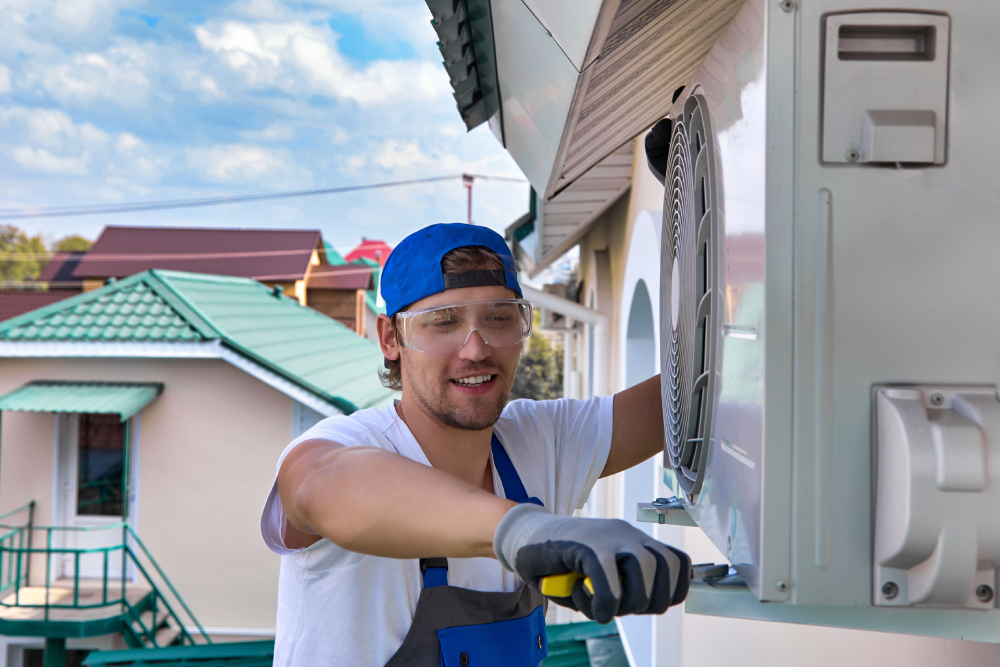
After clearing the area, technicians install the new HVAC system with close attention to detail. Indoor and outdoor units are positioned correctly, electrical connections are completed, and ductwork or refrigerant lines are secured. All connections are sealed and inspected for proper alignment.
Mounting brackets are stabilized, drainage systems are configured correctly, and insulation is applied where needed to protect efficiency and prevent energy loss. Attention to detail directly affects airflow, efficiency, and overall system lifespan. Adhering to manufacturer specifications protects equipment integrity and preserves warranty coverage.
Professional workmanship results in smooth operation from the first day of use and delivers the level of comfort you expect.
Testing, Calibrating, and Optimizing Your New System for Peak Performance
After installation, technicians conduct comprehensive testing and calibration. They check airflow, temperature output, and electrical connections to verify proper operation. Thermostats are tested, and any home zones are balanced to provide even heating or cooling.
This stage allows the team to make fine adjustments to maximize performance and efficiency. Proper calibration helps the system respond effectively to temperature changes and prevents unnecessary energy consumption. Testing also confirms that your investment will deliver comfort and reliability throughout Fayetteville’s hot summers and winter cold snaps.
Final Walkthrough with Homeowners and Guidance on Using Your System
The final phase of the HVAC installation process is a walkthrough with you, the homeowner. Technicians explain how to operate the system, set thermostats, and maintain filters and other components. Additional features, such as humidity control, programmable schedules, or air quality devices, are demonstrated and explained.
Understanding how your new system works allows you to take full advantage of its features. Proper use and maintenance extend equipment life, improve energy efficiency, and maintain comfort year-round. Air Pro Heating Air and Electric takes the time to answer all questions so you feel confident managing your new system.
Take action now to upgrade your home’s comfort and efficiency with a professional HVAC installation. With Air Pro Heating Air and Electric, you can rely on expert guidance from start to finish, from evaluation and equipment selection to precise installation and final testing.
Our team installs and maintains systems that keep your home at the perfect temperature year-round, improve energy efficiency, and enhance indoor air quality, providing a reliable and comfortable environment for you and your family.