


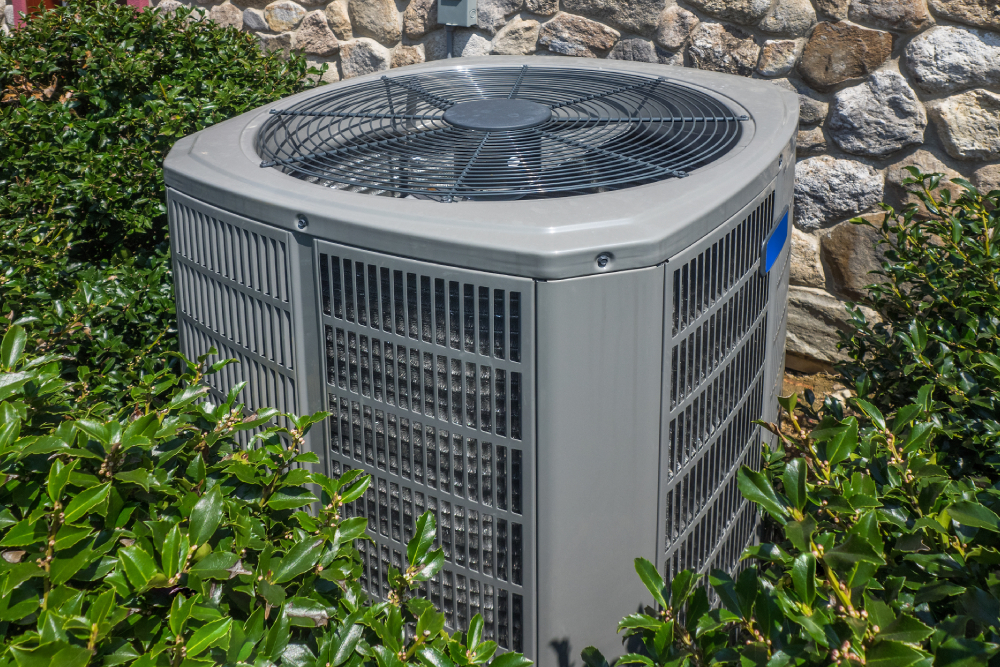
A new cooling and heating system can completely change how your home feels during the hottest and coldest months of the year. Many homeowners wait until the old unit breaks down before thinking about a replacement. That last-minute decision often leads to higher costs or disappointing performance over time.
Learning how to buy a new HVAC system helps you make a confident and informed choice for long-term comfort. Careful preparation protects your budget and keeps indoor air fresh and healthy.
Air Pro Heating Air and Electric fixes comfort issues with speed and skill. We serve the local area as a licensed HVAC contractor in Fayetteville, NC, with a focus on quality. Our team brings years of hands-on field knowledge to every project. An experienced installer can spot airflow issues or duct problems that might reduce the performance of a brand-new unit.
Assess Your Home Heating and Cooling Needs
Every home has rooms that stay warmer or cooler than others throughout the year. Insulation levels and window placement directly affect how hard a system must work. High ceilings and drafty entry points also increase the workload during extreme weather.
Reviewing these conditions is a key step in understanding how to buy a new HVAC system that truly fits your space. Matching equipment to the structure prevents avoidable strain and early wear. A detailed evaluation helps identify hidden airflow challenges before selecting the right unit.
Understand HVAC System Types and Configurations
Split systems separate outdoor and indoor components for balanced performance and quieter operation. Packaged units house all components in a single cabinet placed outside the home. Heat pumps handle both cooling and heating through one energy-efficient system.
Ductless mini-splits work well in homes without traditional ductwork. Each option serves different layouts and climate conditions.
Compare Energy Efficiency Ratings and Standards
Efficiency ratings reveal how much energy a unit uses to cool or heat your home. Higher SEER2 numbers indicate improved cooling efficiency during peak summer months. SEER refers to Seasonal Energy Efficiency Ratio, and stronger ratings translate into lower monthly utility costs.
Heating systems use HSPF2 or AFUE ratings to measure fuel-to-heat performance. Choosing higher efficiency equipment may cost more upfront, but often reduces expenses year after year.
Determine Proper HVAC System Size Requirements
Bigger machines are not always better because they turn on and off too fast for the house. This short cycling leaves the air feeling damp and wears out the motor long before its time. A small unit will run forever without ever reaching the set temperature on a very hot afternoon.
Professionals use a Manual J calculation to find the exact BTU capacity needed for the specific square footage. This math accounts for the sun exposure and the height of the walls to find the perfect fit.
Review Installation Requirements and Home Modifications
Newer equipment often requires bigger pipes or different electrical wires to run at peak performance levels. Old ducts might leak air into the attic, which wastes money and makes the new machine work harder. Sometimes a technician must move the outdoor pad to meet modern building codes or to reduce noise. Checking the electrical panel helps verify that the house can handle the power needs of a modern cooling unit.
Evaluate Total Cost of Ownership Factors
The price on the tag is only one part of the total money spent over time. Maintenance costs and repair parts vary between different brands and models found on the market today.
Some units have cheaper filters, while others require expensive specialty parts that are hard to find locally. High-efficiency models cost more upfront, but they drop the monthly utility bills by a very large amount. Weighing the initial purchase price against the expected yearly energy spend helps find the most affordable long-term path.
Research Available Rebates and Financing Options
Local utility companies often pay homeowners to switch to high-efficiency heat pumps or air conditioners. Federal tax credits also lower the total price for those who pick equipment that meets specific green standards. Many manufacturers offer special deals during the spring or fall when the demand for service is lower.
Financing plans allow for monthly payments that fit into a tight budget without requiring a huge cash pile. These programs make top-tier comfort much easier to afford for any household looking to upgrade their old mechanical gear.
Select Reliable HVAC Brands and Models
Some manufacturers have a long history of building parts that last for twenty years without any major breaks. Reading reviews from other people in the same climate helps identify which brands handle high humidity or extreme heat.
Popular brands usually have plenty of replacement parts sitting in local warehouses for fast repairs when things go wrong. Choosing a well-known name often means the technology has been tested in thousands of homes across the entire country.
Quality components inside the machine lead to fewer noisy nights and lower stress during the middle of a heatwave.
Check Warranty Coverage and Service Agreements
Warranty protection shields your budget from unexpected part failures. Many manufacturers include ten-year coverage when the system is registered shortly after installation. Labor warranties are separate and cover technician service costs. Some agreements include annual maintenance visits to keep performance levels high. Reading all warranty details clarifies coverage limits and potential additional charges.
Choose a Licensed HVAC Installation Contractor
The quality of the setup matters just as much as the brand of the machine sitting outside. Poorly connected wires or loose pipes cause the most expensive problems seen in residential heating and cooling systems. A qualified team follows every local code and uses the right tools to seal the air ducts tightly.
Checking for a valid state license and insurance protects the home from accidents or sloppy work during the project. Verified reviews show how a company treats its neighbors and how they handle issues after the job is done.
Schedule In-Home Evaluation and Load Calculation
A pro must walk through the house to see the layout before giving a final price for work. They look at the windows and the attic insulation to see how the house holds onto the cold air. Measuring the rooms allows the team to build a custom plan that fits the specific needs of the building.
This visit is the best time to ask questions about noise levels or air filtration for the family. Receiving a written estimate keeps the project on track and prevents any surprises when the final bill arrives.
Plan Maintenance and Long-Term System Performance
Keeping the filters clean is the easiest way to make a machine last for a long time. Dirt blocks the air and forces the motor to spin faster, which creates heat and breaks the metal parts.
Scheduling a checkup twice a year keeps the coils clean and the refrigerant levels exactly where they need to be. Small fixes found during a routine visit prevent large breaks that happen during the peak of winter. Consistent care maintains the efficiency levels, so the power bill stays low for the life of the unit.
Call Air Pro Heating Air And Electric For Help Today!
We deliver total comfort and power with our expert 24/7 emergency service for local residents who need help fast. Our team handles every detail of your home HVAC replacement in Fayetteville, NC to make sure the process stays easy for you.
Being veteran-owned HVAC installation contractors, we take pride in our 2,300 five-star reviews and top community awards. We provide upfront pricing and flexible financing so you can get the best system without any financial stress or worry. Air Pro Heating Air and Electric uses licensed technicians for both electrical and cooling work to keep your home running perfectly.