













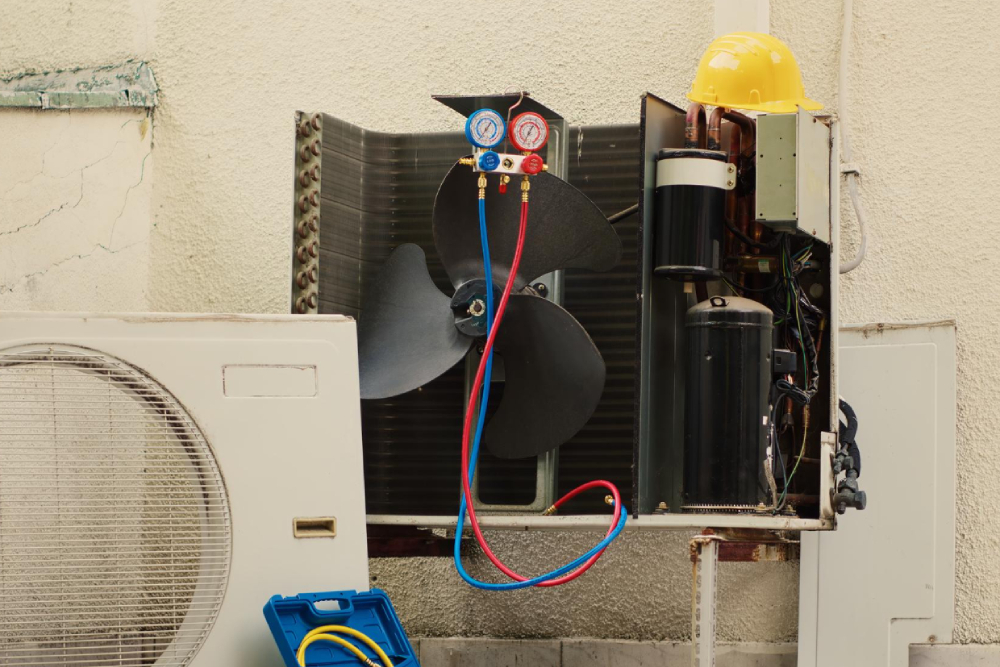
When your heating or cooling system starts showing signs of trouble, it can be difficult to decide whether to call for a repair or consider a full replacement. Homeowners often ask, “Should I repair or replace HVAC?” This question isn’t just about cost, but also about safety, energy efficiency, and the long-term comfort of your home.
Knowing the key factors can help you make a confident decision that protects both your HVAC system and your wallet in case of an emergency.
Signs Your HVAC May Need Attention
The first step in deciding whether to repair or replace your system is recognizing the warning signs of a struggling unit. If your HVAC requires frequent repairs within a short period, it could indicate that components are wearing out and the system is nearing the end of its useful life. Rising energy bills are another common signal, often caused by an older or malfunctioning system working harder to maintain the desired temperature.
Rooms that are consistently too hot or too cold may reveal inefficiencies or failing ductwork and components. Unusual noises, such as grinding, squealing, or rattling, or strange odors like burning smells, can also indicate mechanical or electrical issues within your unit.
Noticing any of these problems doesn’t automatically mean you need a replacement, but it does signal that a professional evaluation is necessary. Ignoring these signs can lead to bigger problems, higher costs, and reduced home comfort.
Factors to Consider Before Repairing or Replacing
Several factors influence the decision to repair or replace HVAC. The age of your system is a major consideration. Most HVAC units last 10 to 15 years with proper maintenance. If your system is within this range and only experiencing minor issues, a repair may be the best solution. Systems nearing or beyond their expected lifespan often require replacement because older units are prone to repeated breakdowns and declining efficiency.
The frequency and cost of repairs also affect your choice. Units that need multiple service visits recently may cost more to maintain over time than investing in a new system. A professional technician can guide you on whether repairing the system will provide reliable long-term performance or act as a temporary fix.
Energy efficiency is another key factor. Older units generally operate at lower efficiency, which can increase monthly energy bills. Installing a modern system can improve comfort and lower costs during Fayetteville’s peak summer and winter months. Newer HVAC units often include smart thermostats, advanced air filtration, and quieter operation.
Safety and environmental considerations also play a role. Leaking refrigerant, exposed wiring, or failing components can create hazards in your home. Replacing an outdated system addresses these risks while improving indoor air quality and aligning with current safety standards.
Understanding Repair Costs and Benefits
Repairing your HVAC system is often the first option homeowners consider. Repairs are generally less expensive upfront and can extend the life of your system for several years. Common fixes such as thermostat malfunctions, clogged filters, or fan motor issues can restore comfort without a full replacement.
Repairing is most effective for newer or well-maintained systems. Continually fixing an older or failing unit can become costly, inconvenient, and unreliable. Homeowners should weigh the cost of repeated repairs against the advantages of a modern system to achieve long-term savings, consistent performance, and peace of mind.
When Replacement Is the Better Choice
While repairs can be effective for minor issues or newer units, there are times when replacement is the smarter option. If your HVAC system is more than 10 to 15 years old, it may be nearing the end of its lifespan, and repeated repairs could become costly and inconvenient.
Older units are often less efficient, meaning they consume more energy to maintain the same level of comfort, which can significantly impact your utility bills over time. Upgrading to a modern system not only improves efficiency but also guarantees more consistent temperature control throughout your home.
Certain issues also make replacement more practical. Extensive component failures, frequent breakdowns, or significant damage to key parts like compressors or heat exchangers are often signs that repairing the system would be a temporary fix rather than a long-term solution.
Additionally, homes that have undergone renovations or added new appliances may require a system capable of handling increased demands. A new HVAC unit helps your home maintain comfort reliably, even during Fayetteville’s hottest summer days or the coldest winter nights.
Choosing replacement also allows homeowners to take advantage of newer technology and enhanced safety features. Modern HVAC systems include options like programmable or smart thermostats, quieter operation, improved air filtration, and environmentally friendly refrigerants.
Professional Evaluation Is Key
Deciding whether to repair or replace your HVAC system isn’t something to guess at. A professional evaluation is critical to understanding the condition of your unit and making an informed choice. Licensed technicians assess the age, efficiency, and overall performance of your system, identify hidden issues that may not be obvious to homeowners, and provide honest recommendations based on your specific situation.
During an inspection, professionals will check the functionality of key components, evaluate airflow and ductwork, and test system efficiency. They can provide clear cost estimates for repairs versus replacement, so you can weigh short-term expenses against long-term benefits.
How Air Pro Heating Air and Electric Can Help
Air Pro Heating Air and Electric specializes in helping homeowners make confident decisions about their HVAC systems. We understand that choosing to repair or replace a system is not just a financial decision. It’s about the safety, comfort, and efficiency of your home.
If you’re unsure whether to repair or replace your HVAC, contact our friendly team today to schedule a professional evaluation and take the first step toward reliable comfort in your home.