













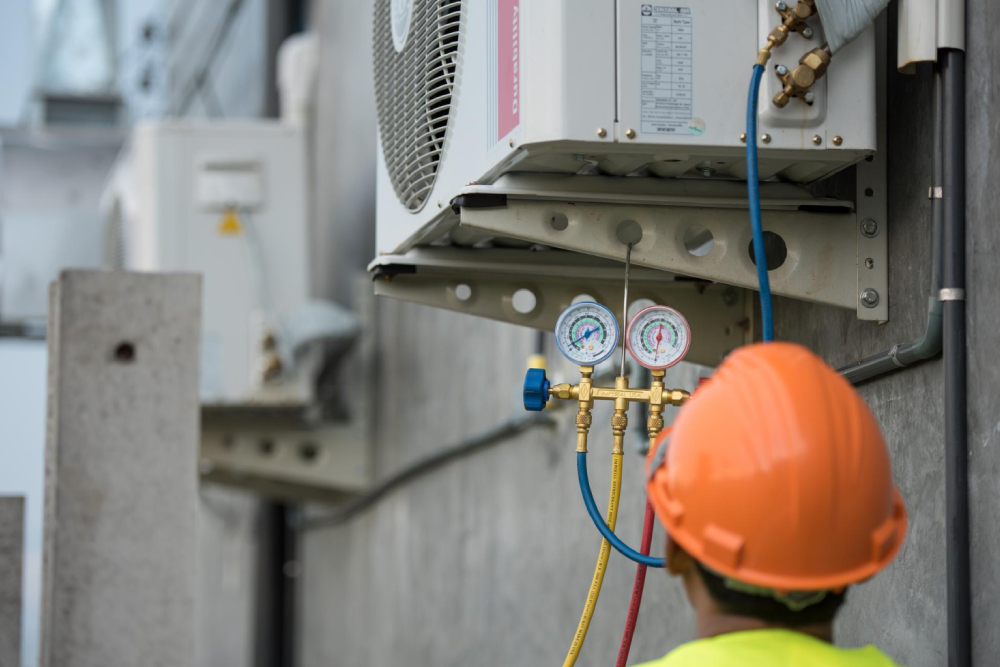
Your HVAC system does a lot of heavy lifting, such as keeping your home cool through brutal summers and warm during cold snaps. Most homeowners don’t think about their system until something goes wrong, but staying ahead of potential problems is always the smarter move.
This HVAC safety checklist covers the most important things to keep on your radar so your heating and AC services stay reliable, your home stays safe, and you’re never caught off guard by an unexpected breakdown.
Don’t Ignore Unusual Sounds or Smells
Your HVAC system often signals trouble before a full breakdown occurs. Sounds such as banging, rattling, or squealing, along with odors like burning or mustiness, indicate that something needs attention. These warning signs should never become background noise.
A burning smell can point to electrical issues or overheating components. A musty odor may indicate moisture buildup or mold within the system.
Both situations can become serious if left unaddressed. The moment something seems off, having a professional take a look is always the right call.
Keep the Area Around Your HVAC Unit Clear
This is one of the most commonly overlooked aspects of HVAC safety, yet it is also one of the easiest issues to correct. Both indoor and outdoor units require proper clearance to operate safely and efficiently. Placing boxes, furniture, or other household items near your indoor air handler can restrict airflow and force the system to work harder than necessary, which adds strain over time.
Outdoor condenser units also depend on open space to function properly. Overgrown shrubs, scattered debris, or lawn equipment placed too close can block airflow and reduce performance. As a general guideline, maintain at least two feet of clear space around your outdoor unit to keep it operating as intended.
Make a habit of checking the surrounding area on a regular basis, especially after storms or yard work. This simple step helps maintain consistent performance and reduces the risk of avoidable issues while improving overall system safety.
Pay Attention to Your Thermostat
Your thermostat acts as the control center for your entire HVAC system. When it begins to malfunction, it can disrupt how everything operates. Inaccurate temperature readings, delayed responses to adjustments, or frequent on-and-off cycling can all signal that something is not working correctly.
A faulty thermostat affects more than just comfort. It can push your system to run longer than necessary, increasing wear on components and driving up energy costs. If your home struggles to reach the set temperature or the system runs continuously without noticeable improvement, the thermostat may be a key factor behind the issue.
Watch for Moisture and Leaks Around Your System
Moisture near your HVAC system is always a warning sign that something is not working as it should. Air conditioners naturally create condensation during operation, but that moisture should move safely through the condensate drain line without any buildup. When the drain line becomes clogged or restricted, water can back up into the system and begin affecting nearby areas of your home.
Pooled water around the indoor unit, damp patches on walls or ceilings near HVAC components, and visible rust on system parts all signal the need for professional evaluation.
When left unresolved, moisture problems can lead to mold growth, structural damage, and even system failure. These issues rarely stay minor and often become more severe the longer they go unnoticed.
Schedule Preventive Maintenance
Reactive repairs will always cost more than preventive care. One of the most important items on any HVAC safety checklist is committing to regular professional maintenance. A trained technician can inspect your system thoroughly, identify parts that are showing wear, clean components that have built up dirt and debris, and make sure everything is operating the way it should.
Most homeowners benefit from scheduling service twice a year, once before the cooling season and again before the heating season begins.
In climates with hot summers and colder winters, preparing your system ahead of peak demand helps maintain performance and reliability. Skipping maintenance may seem like a short-term cost-saving, but it often results in more complex and expensive repairs later.
Check Your Carbon Monoxide and Smoke Detectors
Heating systems, especially gas-powered units, interact closely with the air circulating in your home. A malfunctioning furnace or heat exchanger can release carbon monoxide, which is dangerous and difficult to detect without proper equipment. This invisible gas can build up quickly and poses serious health risks if not addressed right away.
Test carbon monoxide and smoke detectors regularly and replace batteries when needed. If an alarm sounds, leave the home immediately and seek help. Annual inspections of your heating system also help identify potential safety risks early. This makes this another essential part of a complete HVAC safety checklist.
Keeping detectors in key areas of your home adds an extra layer of protection.
Don’t Overlook Your Ductwork
Ductwork carries conditioned air throughout your home. When leaks, blockages, or buildup develop, your system must work harder to maintain temperature. This leads to higher energy use and reduced indoor air quality. Dust and debris can also circulate more easily when ducts are not properly sealed or maintained.
Older homes often experience duct-related issues that go unnoticed for long periods. Uneven temperatures or rising utility bills can be early signs. Since ducts run through hidden areas, professional inspection is the most effective way to identify and correct problems. Sealing and cleaning ducts can improve airflow and help your system operate more efficiently.
How Air Pro Heating Air and Electric Can Help
At Air Pro Heating Air and Electric, we understand that keeping up with HVAC maintenance and safety can feel like a lot, especially when life gets busy. We offer comprehensive HVAC services designed to keep your system running safely and efficiently all year long.
From thorough inspections and preventive maintenance to repairs, parts replacement, and full system installations, our licensed technicians handle every job with care and precision. Whether your system needs a seasonal tune-up or you’ve noticed something that doesn’t seem right, contact us today or book your service online.