













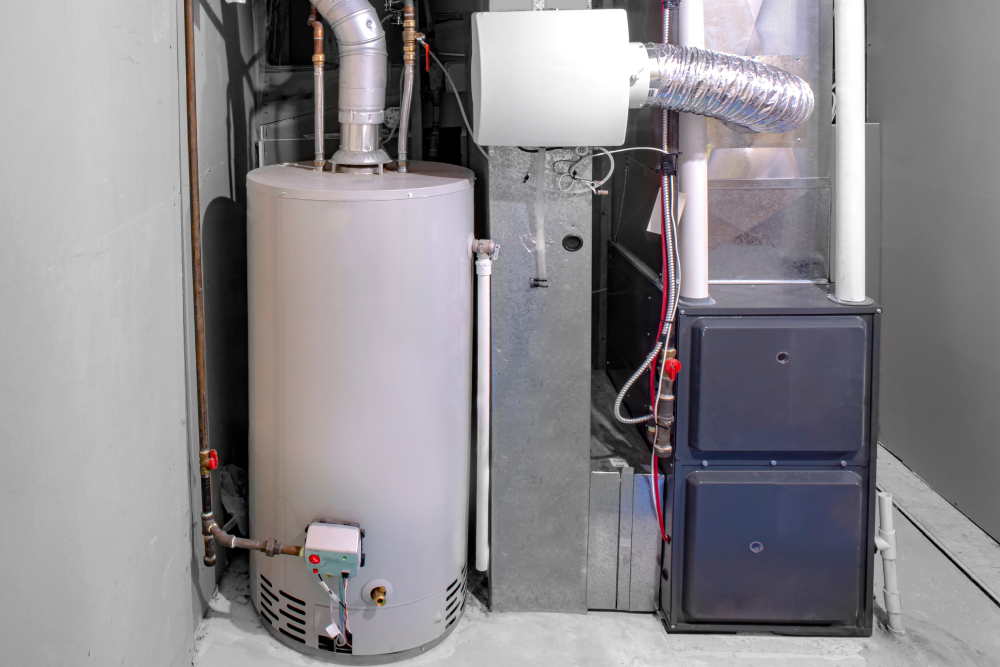
If you are researching furnace types for residential properties, comfort, efficiency, and long-term value are likely at the top of your list. The heating system you select directly affects how your home feels throughout the winter and how much you pay in monthly energy costs. In Fayetteville, temperatures can drop rapidly during a cold snap, turning reliable heat into a necessity instead of a luxury.
Understanding how various furnaces operate brings clarity before committing to a purchase. Fuel type, performance style, and technology level all shape how efficiently a system heats your living space. Prior to replacing an older unit or installing new equipment, it is wise to review the most common heating options available today.
Natural Gas Furnaces
Natural gas furnaces remain one of the most frequently installed systems in residential homes. If your neighborhood connects to a gas line, this option often delivers strong and consistent warmth. The unit burns natural gas inside a sealed chamber and uses a heat exchanger to warm air that circulates through your ductwork.
Gas furnaces heat quickly, which helps when overnight temperatures drop suddenly. Many homeowners value the balance between heating performance and operating expense. In areas where gas pricing remains competitive, monthly costs stay predictable.
Maintenance plays an important role in long-term performance. Burners, ignition components, and ventilation systems need regular inspection. If you ever need gas furnace repair and replacement in Fayetteville, NC, working with trained technicians helps restore steady heat and dependable operation.
Electric Furnaces
Electric furnaces generate heat using powered heating elements rather than combustion. When electricity flows through the elements, they warm up and transfer heat to the air circulating through your ducts. Because there is no fuel burning inside the system, ventilation requirements are simpler than with gas or oil models.
Installation costs are often lower, and the units are compact. This makes them practical for smaller homes or properties without natural gas access. The absence of combustion eliminates concerns tied to fuel exhaust gases.
Operating costs depend on local electricity rates. In some areas, electric heat can be more expensive during extended cold periods. If your system begins to struggle or fails to heat properly, you may need electric furnace repair and replacement in Fayetteville, NC, to restore comfort and efficiency.
Oil Furnaces
Oil furnaces are less common than they once were, yet some homes still rely on them. These systems burn heating oil stored in a tank located on your property. The combustion process produces heat that transfers into your duct system.
Oil furnaces can produce high heat output, which historically made them popular in colder climates. However, they require ongoing fuel deliveries and careful tank management. Running out of oil during winter can lead to sudden heating loss.
They also require regular cleaning because oil combustion can create residue inside the system. While oil models remain part of the broader conversation about furnace types for residential homes, many homeowners today explore other fuel sources when updating their systems.
Propane Furnaces
Propane furnaces operate in a similar manner to natural gas systems, but they use propane stored in an on-site tank. This makes them common in rural or suburban areas where gas lines are unavailable. Propane burns cleanly and can deliver steady, reliable heat during colder weather.
Because propane is stored on your property, you must monitor tank levels and schedule refills. The tank can be installed above or below ground, depending on your property layout. Like other combustion systems, proper ventilation and professional maintenance are necessary for safe operation.
Single-Stage Furnaces
Beyond fuel type, furnaces differ in how they operate. A single-stage furnace has one heat setting. When your thermostat calls for heat, the system runs at full capacity. Once the desired temperature is reached, it shuts off completely.
This straightforward design makes single-stage systems more affordable at installation. However, the full-power cycling can create noticeable temperature changes inside your home. You may feel warm air rush through the vents, followed by a cooling period before the next cycle begins.
Two-Stage Furnaces
A two-stage furnace adds flexibility by offering two heat output levels. On milder days, the system runs at a lower setting. During colder weather, it shifts to a higher level to maintain comfort. Most of the time, it operates at the lower stage, which helps maintain more even temperatures.
This design reduces the sharp temperature swings often felt with single-stage systems. The longer run times at lower output allow warm air to circulate more evenly throughout your home. Many homeowners notice improved comfort and quieter operation with this style.
Modulating Furnaces
Modulating furnaces represent a more advanced approach to residential heating. Instead of switching between one or two output levels, these systems adjust heat in small increments. The furnace responds closely to your home’s heating demand and maintains a steady indoor temperature.
This gradual adjustment minimizes noticeable fluctuations. The system can operate at lower capacity for longer periods, which often improves efficiency and reduces operational noise. Paired with a variable-speed blower, the airflow feels steady rather than forceful.
Modulating systems involve a greater initial investment. However, they provide refined temperature control and a smoother heating experience. For homeowners seeking enhanced comfort, this option stands out among furnace types for residential use.
Choosing the Right Furnace for Your Home
Selecting the best furnace involves more than picking a fuel type. Your home’s size, insulation quality, ductwork condition, and budget all influence the decision. In Fayetteville, winters are not extreme for long stretches, yet sudden cold spells can put strain on older equipment.
Proper sizing is key. A furnace that is too large may heat quickly and shut off repeatedly, leading to uneven temperatures. A system that is too small may struggle to keep up during colder nights. Professional evaluation helps align the equipment with your home’s heating demand.
Schedule your heating service now to keep your home comfortable all winter. We provide and maintain a full range of furnace options, tailored for reliable warmth and efficiency, with the trusted expertise of Air Pro Heating Air and Electric.